
Water-Saving Gardening is an essential practice for anyone wanting a lush yard during droughts. Utilizing efficient watering techniques and selecting the right drought-resistant plants can drastically reduce water use. Implementing strategies like rainwater harvesting and proper soil preparation ensures long-term success. Discover how to transform your yard into a sustainable haven, even during dry seasons.
Efficient Watering Techniques
Implementing efficient watering techniques can significantly reduce water usage in your garden while maintaining healthy plants. One effective method to achieve this is drip irrigation. This system delivers water directly to the base of the plant, minimizing evaporation and runoff. It also ensures that each plant receives adequate moisture, regardless of the garden’s size or layout.
Another key practice is watering timing. Water your garden early in the morning or late in the afternoon when temperatures are cooler. This reduces evaporation and allows plants to absorb water effectively, conserving resources while promoting plant health.
Consider implementing zonal watering in your garden. Group plants with similar water needs together, allowing you to tailor your watering schedule and methods accordingly, avoiding over or underwatering any section of your garden.
Utilizing soaker hoses can also maximize efficiency. These permeable hoses gently seep water into the soil, ensuring deeper hydration while reducing surface evaporation. Place them beneath mulch to further enhance their effectiveness.
Lastly, investing in a rain sensor for your irrigation system can prevent unnecessary watering by automatically delaying cycles after rainfall. This integration requires minimal effort and offers substantial water savings, contributing to a more sustainable and eco-friendly garden.
Choosing Drought-Resistant Plants
When planning a garden that thrives in dry conditions, selecting the right plants is crucial. Drought-resistant plants are adapted to survive on minimal water. Begin by looking at native plants that naturally grow in your region, as they are already accustomed to the local climate.
Pay attention to the plant’s root system. Deep-rooted plants can access water stored in the lower layers of soil, making them more resilient during dry spells. Succulents such as aloe vera and sedum store water in their leaves, offering another excellent option for arid landscapes.
Focus on plants with small, thick, or waxy leaves, as these varieties tend to lose less water through evaporation. Lavenders, rosemary, and ornamental grasses like blue fescue are not only drought-tolerant but also add diverse textures and colors to your garden.
Explore effective plant combinations that thrive together. Grouping plants with similar water needs ensures that each receives the optimal amount of moisture. Moreover, don’t forget about the beauty of flowering options like yarrow or blanket flower, which can withstand drought while providing vibrant blooms.
This approach allows for selecting plants that can survive and flourish, helping you create a lush, sustainable garden that requires minimal watering effort. With the right mix of plants, your garden can remain a colorful and inviting oasis, even in extended dry periods.
Mulching and Soil Preparation
Mulching and soil preparation play a vital role in creating a drought-resistant garden that conserves water. Mulching helps reduce water evaporation, keeps the soil temperature stable, and suppresses weed growth. It’s essential to choose the right type of mulch. Organic options like wood chips, straw, or shredded leaves add nutrients to the soil as they decompose. Apply a layer of mulch about 2-4 inches thick around plants, avoiding the area directly against the stems or trunks to prevent rot.
Soil preparation starts with understanding the soil type in your garden. Sandy soils drain quickly and might need organic matter to help retain moisture. On the other hand, clay soils retain water but can become compacted. Adding compost improves both soil types by enhancing structure and fertility. Before planting, incorporate organic matter well into the top few inches of soil.
Soil Testing
is another crucial step to determine nutrient levels and pH balance. Amend the soil based on the test results to ensure plants have the environment they need to thrive. A balanced pH and ample nutrients make it easier for roots to access water efficiently.
Additionally, shaping the landscape can direct water to where it’s most needed. Creating gentle slopes or swales helps to manage rainwater, reducing runoff and encouraging water infiltration. These steps in mulching and soil preparation make the most of limited water resources and create a resilient foundation for your drought-resistant garden.
Rainwater Harvesting Strategies
One effective way to ensure your garden thrives during drought periods is through rainwater harvesting strategies. By capturing and utilizing rainwater, you can reduce dependency on municipal water supplies and promote sustainable gardening practices.
Setting Up a Rain Barrel System
Install rain barrels beneath your gutter downspouts to collect runoff. These barrels are an affordable and simple solution to gather rainwater, which you can later use to water your plants, helping to maintain your garden’s health even in dry spells.
Creating a Rain Garden
Design areas in your yard that naturally collect rainwater. By planting native species that thrive in wet conditions, these rain gardens will absorb excess water while providing habitat for local wildlife. Ensure the rain garden is positioned where it will catch runoff efficiently and drain effectively.
Integrating Swales and Berms
Incorporate swales (shallow ditches) and berms (small mounds) to direct rainwater flow to target areas in your garden. This helps manage water distribution and prevents erosion while maximizing the use of captured rainwater. Design these features to naturally follow the landscape’s slope for optimal effectiveness.
Using Permeable Paving
Opt for materials like gravel or permeable pavers in pathways and driveways to allow rainwater to seep into the ground instead of running off. This approach helps recharge local aquifers and reduces runoff that might otherwise flood storm drains.
Maintenance for Long-Term Success
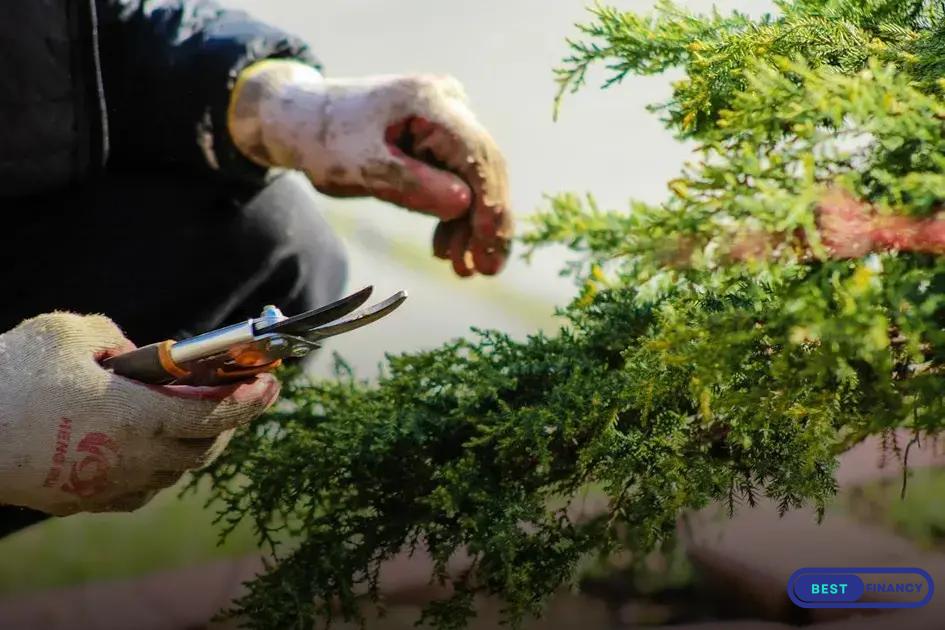
Regular maintenance in a water-saving garden ensures that it remains thriving and efficient in the long run. It is crucial to periodically check your irrigation system for leaks or blockages, ensuring water is distributed properly. Trimming and Pruning your plants regularly can help manage their growth and reduce water consumption by preventing overcrowding.
Apply mulch regularly to maintain soil moisture and suppress weeds. This not only helps in conserving water but also enriches the soil as mulch decomposes over time. Inspecting your soil health is vital as it should be well-aerated and have excellent drainage to support drought-resistant plants.
Embrace natural pest control methods to minimize any negative impact on your garden ecosystem. Encourage beneficial insects and birds by providing habitats, which in turn, assist in managing pest populations naturally.
Furthermore, rotate plants seasonally to enhance soil nutrients and reduce pest build-up. Regularly update and expand your planting choices by considering native, drought-resistant plants that can thrive with minimal water. This strategic approach ensures that your garden remains lush while adhering to sustainable water usage.

 Hosting a Garden Party: Decorate Naturally with Ease
 Outdoor Lighting Ideas to Highlight Your Garden at Night
 Incorporating Water Features: Transform Your Garden Oasis