
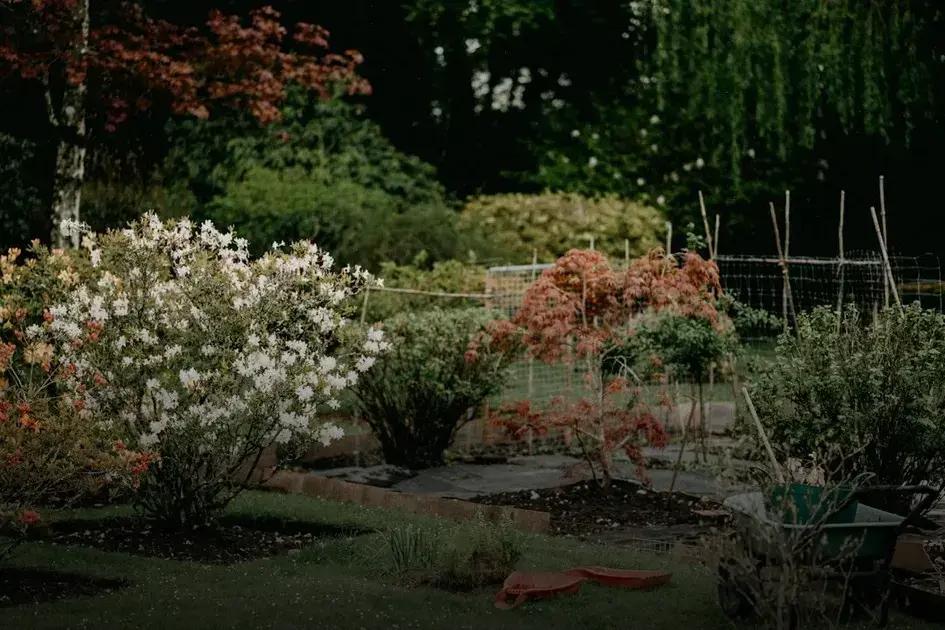
Welcome to the ultimate guide on water-saving gardening! If you’re looking to create a drought-resistant yard, you’ve come to the right place. In this post, we’ll explore valuable techniques like choosing drought-resistant plants, efficient irrigation systems, and smart watering practices. Get ready to transform your outdoor space into a sustainable and lush haven even in the driest conditions.
Understanding Drought-Resistant Plants
Drought-resistant plants are essential for a water-saving garden. These plants naturally thrive in dry conditions, needing less water. Succulents, like aloe and sedum, store water in their leaves, making them excellent choices.
Xerophytes
have adapted to survive with minimal water, often featuring deep roots or waxy leaves to minimize evaporation.
When planning your yard, consider native plants. They are adapted to local climates, requiring fewer resources and are usually more resistant to pests and diseases. Native prairie grasses, lavender, and sage are great examples.
Additionally, mixing a variety of plant types can enhance biodiversity and resilience. Ground covers like thyme or creeping sedum protect the soil, further reducing evaporation and erosion. Look for plants with different textures and colors for an aesthetically pleasing and diverse garden.
Understanding the specific needs of each plant type is crucial. Some might require more sunlight, while others thrive in partial shade. Observing sunlight patterns in your yard helps in placing plants where they grow best.
Choose plants based on their hardiness zones to ensure they can withstand local temperatures and precipitation levels. Armed with this knowledge, create a drought-resistant yard that is both beautiful and sustainable.
Efficient Irrigation Systems
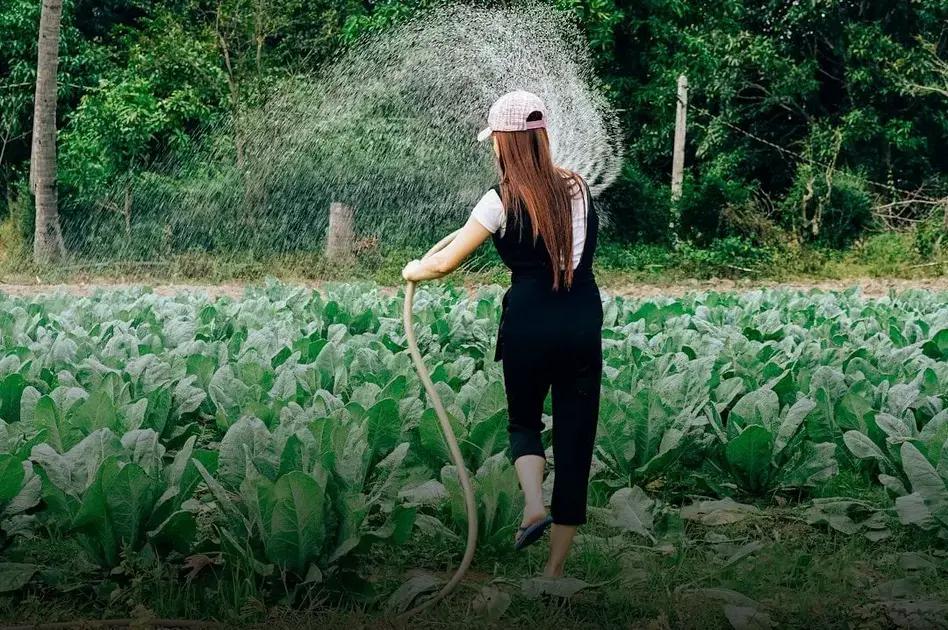
Investing in efficient irrigation systems is a key component of drought-resistant gardening. Such systems deliver water directly to the roots, minimizing evaporation and usage waste.
Drip Irrigation
Drip systems are highly efficient for water conservation. These systems utilize hoses with small holes to deliver water slowly and directly to plant roots. It ensures that the plants receive the necessary moisture without unnecessary wastage. This method is especially beneficial for flower beds and vegetable gardens.
Smart Controllers
Upgrading to a smart irrigation controller can significantly enhance efficiency. These devices detect weather conditions such as rainfall and adjust watering schedules accordingly. This ensures your garden receives the right amount of water, contributing to overall water conservation.
Soaker Hoses
Soaker hoses are another excellent choice, ideal for row plantings and raised beds. They release water slowly along their length, which soaks into the soil and directly targets plant roots.
Sprinkler Systems
Choose adjustable sprinklers that focus on targeted areas to avoid watering driveways or walkways. Implementing a spray pattern that suits lawn size ensures coverage without excess. Watering in the early morning maximizes absorption and minimizes evaporation.
Soil Improvement Techniques
Improving the soil is crucial in creating a drought-resistant garden. Healthy soil absorbs water more efficiently and retains moisture for longer periods, which is essential during dry spells. Start by assessing the current condition of your soil. Is it sandy, clayey, or loamy? Each type has different needs, especially when optimizing for moisture retention.
Organic matter is your best friend in soil improvement. Adding compost or well-rotted manure increases the soil’s ability to retain water. Aim to work organic material into the soil about 6 to 8 inches deep. This not only boosts water retention but also improves soil structure and fertility, providing a better environment for plant roots.
Consider using soil conditioners such as gypsum if your soil is heavy clay. Gypsum can enhance soil structure, improving drainage and allowing roots to penetrate more easily. However, be mindful of the soil pH when using such amendments.
Mulching is another technique to support soil improvement. A layer of mulch on top of the soil conserves moisture, moderates soil temperature, and prevents erosion. Organic mulches, like bark chips or straw, gradually break down and add nutrients to the soil.
Testing soil pH and nutrient levels can guide further improvements. You may need to adjust the soil pH by adding lime to raise it or sulfur to lower it, depending on the plants chosen for your drought-resistant garden. This ensures that nutrients are readily available for plant uptake, fostering healthy growth even with limited water.
Mulching for Moisture Retention
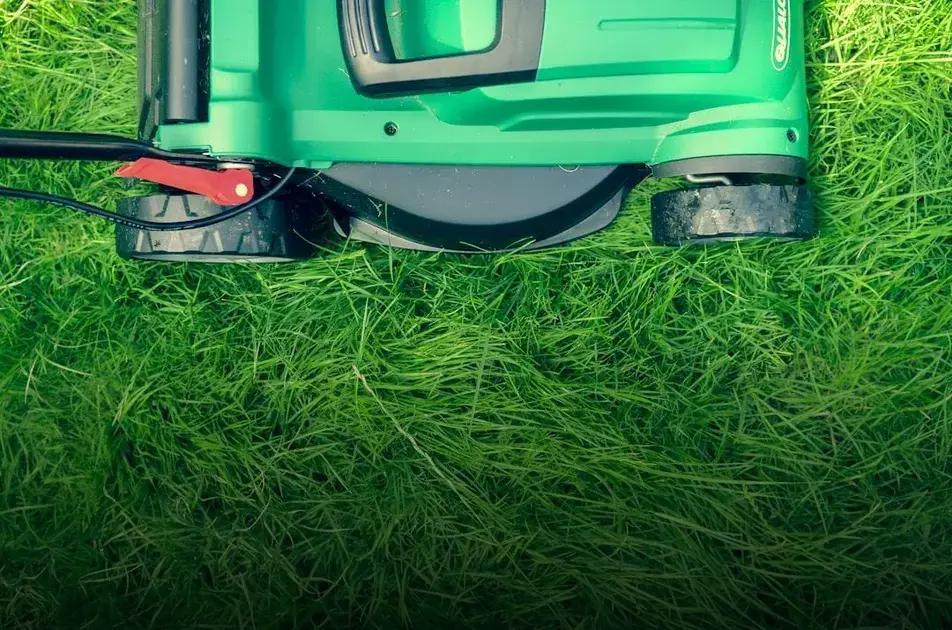
Mulching is a crucial practice in drought-resistant gardening, especially for moisture retention. By applying a layer of organic material over garden soil, you can effectively reduce evaporation and maintain consistent soil moisture levels.
Benefits of Mulching
include reducing weed growth and improving soil health by adding organic matter as mulch breaks down. To maximize effectiveness, use materials such as bark, wood chips, straw, or even leaves. These not only insulate the soil but also foster a rich ecosystem beneath the surface. Ensure that mulch is applied to a depth of 2-3 inches and kept away from plant stems to prevent rot. Regularly check the mulch layer and replenish as needed, especially during dry seasons, to continue enjoying its full benefits.
Smart Watering Practices
Smart Watering Practices are essential for maintaining a thriving garden while conserving water. Water at the Right Time by scheduling your watering sessions early in the morning or late in the afternoon. This reduces evaporation losses and ensures plants absorb more water.
Understand the importance of watering deeply but infrequently. This encourages plants to develop strong root systems. Rather than watering daily, aim to provide a slow, deep watering once a week.
Consider using a drip irrigation system. This is a highly efficient way to water, delivering moisture directly to the root zone, minimizing waste. If using a sprinkler system, adjust it to avoid sidewalks and driveways.
Install rain sensors on irrigation systems. These sensors prevent overwatering by detecting when it has rained recently and halting the system automatically.
Group plants with similar water needs together. This practice, called hydro-zoning, ensures each plant gets the appropriate amount of water.

 Hosting a Garden Party: Decorate Naturally with Ease
 Outdoor Lighting Ideas to Highlight Your Garden at Night
 Incorporating Water Features: Transform Your Garden Oasis