
Understanding soil types is crucial for gardeners and farmers alike. By knowing the specific characteristics of your soil, you can make informed decisions that enhance plant growth. Whether it’s clay, sandy, or loamy soil, each type requires different approaches for improvement. Let’s delve into the main types of soil and discover how you can optimize them for better yields.
What are the Major Types of Soil?
Soil is a crucial component of our ecosystem, affecting agriculture, construction, and even climate. The primary types of soil—sandy, clay, silty, peaty, chalky, and loamy—each possess unique characteristics that make them suitable for different uses.
Sandy Soil
Sandy soil consists of large particles that provide excellent drainage and aeration. However, it has low nutrient retention because water flows through rapidly, washing away essential nutrients. This soil warms up quickly in the spring but dries out faster in hot weather.
Clay Soil
Clay soil is composed of tiny particles that compact easily, leading to minimal air spaces. It retains water effectively, which can cause waterlogging. Although clay soil is rich in nutrients, its dense nature often makes it challenging to work with, especially when wet.
Silty Soil
Silty soil occupies a middle ground between sandy and clay soils in terms of particle size. It balances water retention and drainage and is nutrient-rich, making it excellent for agriculture. However, it can become compacted with excessive foot traffic.
Peaty Soil
Peaty soil contains a high percentage of organic material and can hold large amounts of water. It tends to be darker in color and is low in nutrients. Peat also affects soil pH, often requiring adjustments for optimal plant growth.
Chalky Soil
Comprising calcium carbonate or lime, chalky soil is alkaline. This alkalinity affects plant growth, as it can hinder nutrient availability. While well-draining, chalky soil often demands regular soil amendment to lower pH and boost fertility.
Loamy Soil
Considered the ideal type for most agricultural pursuits, loamy soil is a balanced blend of sand, silt, and clay. It provides excellent drainage, nutrient retention, and can support a wide range of plant life. Loamy soil is the gardener’s favorite due to its easy workability and productive potential.
Characteristics of Clay, Sand, and Silt Soils
Clay Soils: Clay soils have very small particles, leading to a compact and dense structure. Because of their composition, they retain water and nutrients efficiently. However, this density can also result in poor drainage and slow warming in the spring. These soils feel sticky when wet and can be hard to work with. Farmers benefit from clay soils’ high fertility but need to ensure proper drainage to prevent waterlogging.
Sand Soils: Sand soils consist of larger particles compared to clay. This results in gritty textures that do not hold onto moisture or nutrients well, leading to high drainage and a need for frequent watering and fertilization. Crops that thrive in sandy soils include root vegetables and various fruits. Their high drainage properties make these soils warm faster in the spring, extending the growing season.
Silt Soils: Silt particles are smaller than sand but larger than clay, creating a fertile and smooth soil texture that retains moisture better than sand. Ideal for growing crops, silt soils provide an excellent balance between drainage and nutrient retention. They are often deposited by rivers, leading to naturally fertile agricultural lands. For gardeners and farmers, silt soils require less effort for tilling and irrigation than clay or sandy soils.
Each soil type presents its strengths and challenges. By understanding these characteristics, those in agriculture can modify and work with each type to optimize growing conditions for better crop yields.
How to Identify Your Soil Type at Home
How to Identify Your Soil Type at Home
Identifying your soil type at home is a straightforward process that can significantly enhance your gardening efforts. The first step is to perform a simple soil test. Start by observing the texture of your soil. Look for visible characteristics such as color and grain size. Is it smooth, gritty, or sticky?
Take a small amount of moist soil and roll it between your fingers. Clay soil will feel sticky and form a solid ball, while sandy soil will be gritty and crumble easily. Silt soil feels smooth when dry and becomes slippery when wet but does not hold together well compared to clay.
For a more detailed assessment, consider conducting a jar test. Fill a mason jar halfway with soil from your garden, add water, and shake vigorously. Allow the mixture to settle for 24 hours. You will notice three distinct layers: sand settles at the bottom, silt in the middle, and clay on top.
Another method is to observe how your garden reacts to rain and drought. Clay soil retains water and takes time to dry, while sandy soil drains quickly and can become dry rapidly. Silt soil, being intermediate, maintains moisture but might compact under pressure.
By understanding these basic tests, you can easily determine your soil type at home, enabling you to implement improvements tailored to your soil’s needs for better yields and healthier plants.
Practical Tips to Improve Different Soil Types
When it comes to soil care, knowing how to enhance different types can significantly boost your gardening results. Each soil type, from clay to sandy and silt, requires a unique approach to maximize its potential.
Improving Clay Soil
Clay soil can be dense and compact, which restricts root growth and limits water drainage. To improve clay soil, mix in organic matter such as compost or well-rotted manure. This breaks up the compactness, allowing roots to spread more freely. Adding gypsum can also help to improve its structure by reducing compaction and improving drainage.
Optimizing Sandy Soil
Sandy soil drains quickly and often leaves plants without essential nutrients. To enhance sandy soil, incorporate ample organic matter like compost or peat moss. This material acts like a sponge, retaining moisture and nutrients longer. Mulching the surface can further help reduce water evaporation.
Enhancing Silt Soil
Silt soil retains moisture well but can become compacted, which impedes root penetration. Mixing in organic material, particularly fibrous materials like straw or shredded leaves, can improve its structure. Regularly tilling the soil helps keep it loose and aerated, encouraging healthy root systems.
General Tips for All Soil Types
Regardless of the soil type, performing regular soil tests can guide amendments more precisely. Additionally, practicing crop rotation and cover cropping can naturally renew nutrients, reduce pests, and help maintain soil health over time.
Essential Tools for Soil Improvement
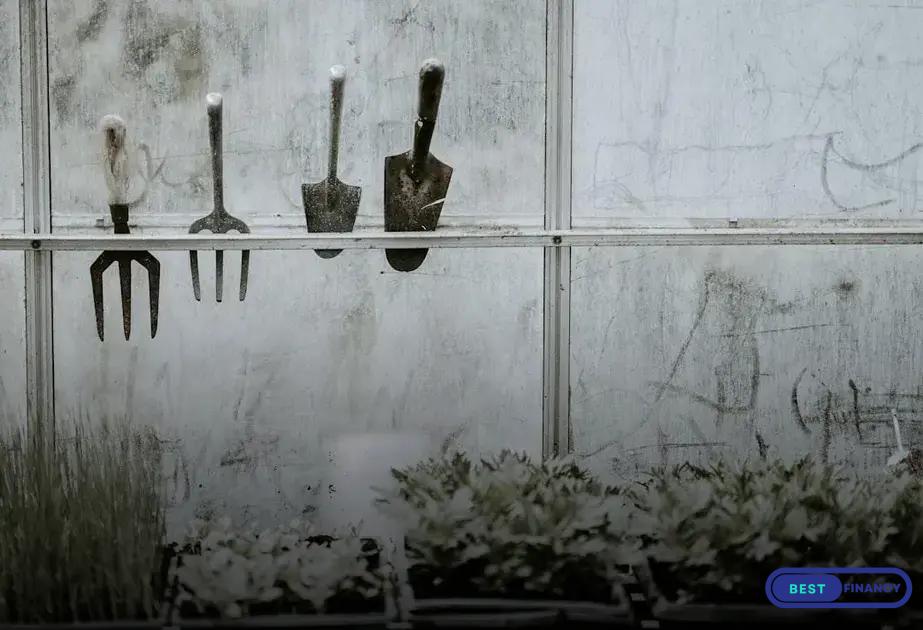
For those looking to enhance their soil and boost their garden’s productivity, selecting the right tools is essential. A soil testing kit helps identify nutrient deficiencies and pH levels, allowing you to tailor your improvements effectively. Garden tillers, whether manual or powered, are crucial for breaking up compact soil, enhancing aeration, and improving drainage.
To better integrate organic matter into your soil, a quality compost spreader is invaluable. It ensures even distribution of compost, which is vital for improving fertility and structure. Additionally, a mulching mower can recycle grass clippings into the soil, which acts as a natural fertilizer.
For targeted fertilization, a fertilizer spreader makes the task easy and efficient, ensuring even application and preventing runoff. Moreover, investing in a sturdy shovel and rake is essential for managing debris and preparing garden beds.
When improving specific soil types, specialized tools such as a clay breaker can help with compacted clay soils by improving drainage and texture. In sandy soils, a water wand helps ensure deep watering, which prevents the rapid drying typically experienced with this soil type.

 Hosting a Garden Party: Decorate Naturally with Ease
 Outdoor Lighting Ideas to Highlight Your Garden at Night
 Incorporating Water Features: Transform Your Garden Oasis