

Mulching Tips to Protect and Nourish Your Garden are essential for any gardener looking to maintain a healthy and thriving space. Understanding the proper methods of mulching can improve soil health, retain moisture, and suppress weeds. By following expert tips and choosing the right materials, you can ensure your garden flourishes throughout the seasons.
Understanding Mulching and Its Benefits
Mulching is an essential practice in maintaining a healthy and thriving garden. It involves spreading a protective layer of material on the soil’s surface. This technique offers numerous advantages that benefit both plants and gardeners.
What is Mulching? Mulching is the process of covering soil with organic or inorganic materials. This layer acts as a barrier to shield the soil from harsh weather, reduce water loss, and maintain even soil temperature. Common materials for mulching include straw, wood chips, bark, and compost.
Benefits of Mulching:
- Weed Control: One of the primary benefits of mulching is that it helps suppress the growth of unwanted weeds. By blocking sunlight, mulch prevents weeds from sprouting and reduces the need for frequent weeding.
- Moisture Retention: Mulch helps in retaining soil moisture by reducing evaporation. This means less frequent watering is needed, which is especially beneficial during dry spells.
- Temperature Regulation: Mulching acts as an insulator. In summer, it keeps the soil cooler, while in winter, it helps maintain warmth. This creates a stable environment for plant roots.
- Soil Improvement: As organic mulch breaks down, it adds nutrients to the soil, enhancing soil fertility and structure over time. This process increases microbial activity, further boosting soil health.
- Protection Against Erosion: Mulch prevents soil erosion by breaking the impact of rain, which can wash away soil particles. It stabilizes soil and improves water absorption.
For successful mulching, ensure to choose the right type of mulch suitable for your garden’s needs. Also, be mindful of how thickly you apply the materials as this can affect its effectiveness. By paying attention to these details, you can reap the full benefits of mulching and keep your garden lush and vibrant.
Choosing the Right Mulch for Your Garden

When it comes to selecting the right mulch, consider both aesthetic appeal and functionality. Different types of mulch can provide unique benefits to your garden. Let’s explore some common options.
Organic Mulches: These include materials such as wood chips, straw, and shredded bark. They enrich the soil as they decompose, providing valuable nutrients. Organic mulches often improve soil structure and fertility over time, making them a fantastic choice for nurturing garden beds.
Inorganic Mulches: Options like gravel, stone, and rubber are durable and low maintenance. While they don’t add nutrients to the soil, they are excellent at controlling weeds and retaining moisture. They can also add a polished look to pathways or ornamental gardens.
When selecting mulch, think about the specific needs of your plants and the overall look you want for your garden. For vegetable gardens, organic mulches are often recommended to boost soil fertility. In contrast, ornamental gardens might benefit from the tidy appearance provided by inorganic materials.
Considerations: The climate zone is crucial. In cooler areas, a thicker layer of mulch can protect roots from frost. In warmer climates, it can help in maintaining soil moisture. Consider your region’s weather patterns and adjust the type and amount of mulch accordingly.
Choosing the right mulch is essential for ensuring both the health of your plants and the visual appeal of your garden. The right selection can provide long-lasting benefits and ensure your garden thrives through various conditions.
How to Apply Mulch Effectively
Applying mulch effectively is essential for maximizing its benefits, like moisture retention and weed control. First, prepare your garden bed by removing weeds and smoothing the soil surface. This provides a clean, even layer for the mulch to sit on, preventing it from becoming patchy. Next, determine the right mulch thickness. Typically, a 2 to 4-inch layer is ideal. Too little won’t suppress weeds, while too much can suffocate plants, preventing water and air from reaching the roots.
Spread the mulch evenly using a rake or shovel, ensuring full coverage. Also, keep mulch away from the base of plants and tree trunks to avoid rot and pest infestations. Leave a small gap around these areas for proper aeration. Check regularly to maintain mulch depth, especially after heavy rain or strong winds, which can displace it. For organic mulches, add a new layer annually as they decompose, enriching the soil. In contrast, synthetic mulches like landscape fabrics may need adjustment less frequently.
Applying mulch with precision prepares your garden for seasons and ensures a thriving, healthy environment for plant growth.
Seasonal Mulching Tips
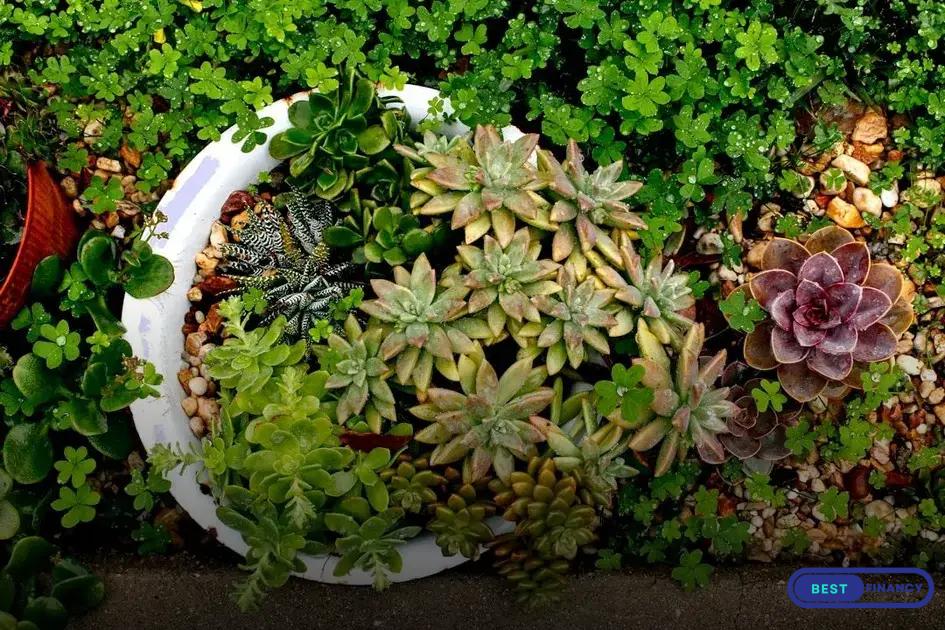
When the seasons change, so do the needs of your garden. Different times of the year require distinct mulching strategies to protect and nourish your plants. In spring, focus on using mulch to suppress weeds and retain moisture as your garden enters its primary growing phase. Apply a light layer of mulch, typically around 2 to 3 inches, to warm the soil and aid early root growth. This helps emerging plants to thrive without battling with invasive weeds.
As you transition into summer, increase the mulch layer to keep the soil cool and maintain moisture levels amidst rising temperatures. Using organic mulches like straw or wood chips is ideal, as they decompose slowly, providing nutrients over time. Make sure the mulch doesn’t rest against the plant stems to prevent rot.
During autumn, your focus should shift to protecting the soil and plant roots from the upcoming cold. Use mulch to insulate the ground and retain the remaining warmth. Adjust the mulch depth to about 3 to 4 inches, adding extra insulation to perennial beds to prevent frost heaving. This approach helps maintain the soil structure and fertility, ensuring readiness for the next growing season.
When winter arrives, it’s essential to maintain a consistent mulch layer to shield plants from freeze-thaw cycles. A good winter mulch, like shredded bark or pine needles, provides stability and reduces soil erosion from winter rains, ensuring your garden remains robust through the colder months. Be prepared to add more mulch if disruption occurs due to heavy winds or melting snow.
Common Mulching Mistakes to Avoid
Mulching is a critical component of maintaining a healthy garden, but common mistakes can undermine its effectiveness. One such mistake is using the incorrect depth of mulch. Applying too much mulch can suffocate plants, while too little won’t suppress weeds effectively. Ensure you maintain an optimal 2 to 4 inches depth for most materials.
Another issue is poor mulch selection. Using the wrong type of mulch for your specific plants can lead to nutrient imbalance or inappropriate moisture levels. It’s important to match the mulch type with the plant needs and soil characteristics.
Avoid mulch volcanoes—a method were mulch is piled against the trunks of trees or stems of plants. This can lead to rot and attract pests, harming your plants rather than protecting them.
Incorrect timing can also be an issue. Applying mulch too early or too late can disturb the plant growth processes. Be sure to mulch in spring, after the soil has warmed, or in late fall to protect roots over winter.
Finally, ignoring mulch replenishment is a common mistake. Mulch breaks down over time, enriching the soil; however, it needs replenishment for continued benefits. Regularly check your mulch layer and top it up as needed to maintain effectiveness.

 Hosting a Garden Party: Decorate Naturally with Ease
 Outdoor Lighting Ideas to Highlight Your Garden at Night
 Incorporating Water Features: Transform Your Garden Oasis