

Are you curious about how to start composting at home? This guide will walk you through the essentials, ensuring that you can turn your kitchen scraps into nutrient-rich compost. Dive into each section to learn about the basics, the necessary tools, and how to avoid common pitfalls. Let’s get started!
Understanding the Basics of Composting
Composting is a natural process where organic waste is broken down into nutrient-rich soil, known as compost. Understanding the basics of composting involves knowing what materials can be composted and how to properly manage a compost pile. Start by collecting kitchen scraps like fruit and vegetable peels, coffee grounds, and eggshells. Avoid materials like meat, dairy, and any greasy substances, as they can attract pests and slow down the decomposition process.
A balanced compost pile requires an equal mix of two components: browns and greens. Browns include dried leaves, twigs, and paper, which add carbon, while greens are the fresh, moist materials that provide nitrogen.
Maintaining proper moisture
is crucial, as a dry pile won’t decompose well, and an overly wet pile can become smelly. Aim for a damp consistency, like a wrung-out sponge.
Next, ensure your compost gets enough air. Regularly turn the compost pile with a pitchfork or a compost aerator to introduce oxygen, which feeds the microorganisms that break down the matter. This not only speeds up the composting process but also reduces odors.
Understanding temperature
is also important: as microorganisms work, they generate heat. Active compost piles can reach temperatures between 120-160°F. Monitoring pile temperature can give insights into whether your compost is healthy and active.
An additional tip is to plant your compost in a shaded area to help retain moisture and regulate temperature. Once your compost reaches an earthy, dark appearance and materials are unrecognizable, your compost is mature and ready to use. Applying this rich compost to garden beds enhances soil quality and plant health.
Essential Tools and Materials Needed
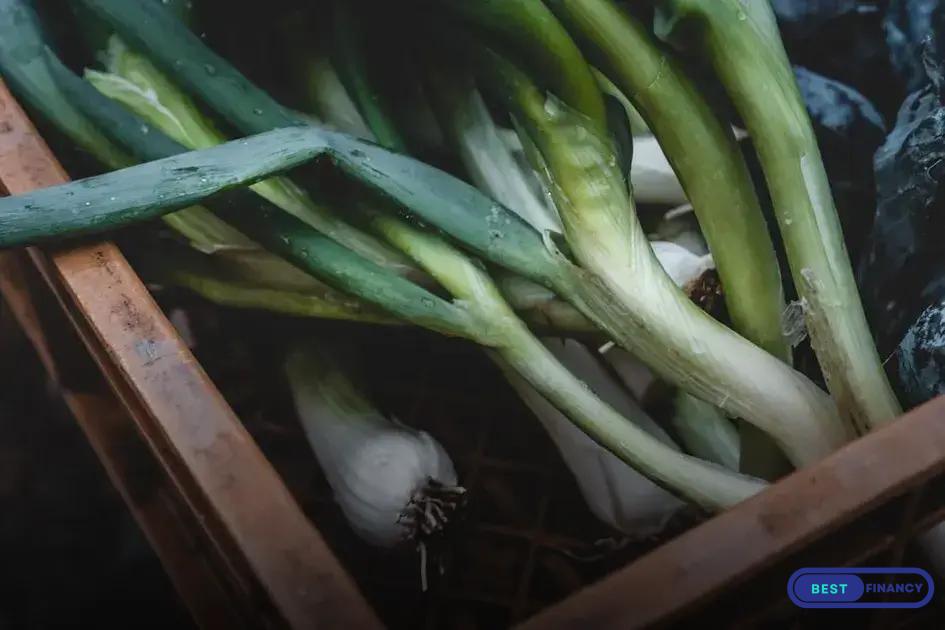
Composting at home begins with the right tools and materials. Here’s what you need to get started effectively:
Compost Bin
The heart of any composting operation, a compost bin keeps your compost contents organized and provides a controlled environment for decomposition. Choose a size based on the amount of waste you plan to generate.
Pitchfork or Shovel
A pitchfork or shovel is essential for turning your compost pile. Regular turning aerates the compost, speeding up the decomposition process.
Kitchen Scrap Container
Keep a small container in your kitchen to collect scraps like vegetable peels, coffee grounds, and eggshells. This makes it easier to transfer waste to your compost bin regularly.
Brown and Green Materials
A successful compost needs a balanced mix of brown materials (like dried leaves and branches) and green materials (such as kitchen scraps and grass clippings). Browns provide carbon, while greens provide nitrogen.
Water Source
Maintaining moisture in your compost pile is crucial. Keep a water hose nearby to ensure your pile stays damp, not soaked.
Step-by-Step Composting Process
- Select Your Compost Bin or Pile Location: Choose a location in your backyard or garden. Ensure it’s easily accessible yet slightly secluded.
- Add Brown and Green Materials: Combine carbon-rich brown materials like leaves and shredded paper with nitrogen-rich green materials such as vegetable scraps and grass clippings. Aim for a balanced mixture to support decomposition.
- Chop or Shred the Materials: Cut materials into smaller pieces to accelerate the composting process. Smaller items decompose faster, making this step essential.
- Moisten the Pile: Your pile should be moist to the touch, like a damp sponge. Water helps break down materials and supports microbial activity.
- Turn the Pile Regularly: Use a pitchfork or shovel to turn your compost every few weeks. This aerates the pile, ensuring oxygen is available to the microorganisms actively breaking down the compost.
- Monitor the Temperature: A well-working compost pile will generate heat as materials decompose. Aim for a temperature between 110°F and 160°F (43°C to 71°C) to ensure proper decomposition.
- Check the Texture and Smell: Healthy compost should smell earthy and not foul. The texture should be crumbly once the process is complete, signifying nutrient-rich compost.
- Use the Finished Compost: After a few months to a year, the compost will be ready. Use it in your garden or around plants as a natural fertilizer.
Common Mistakes to Avoid
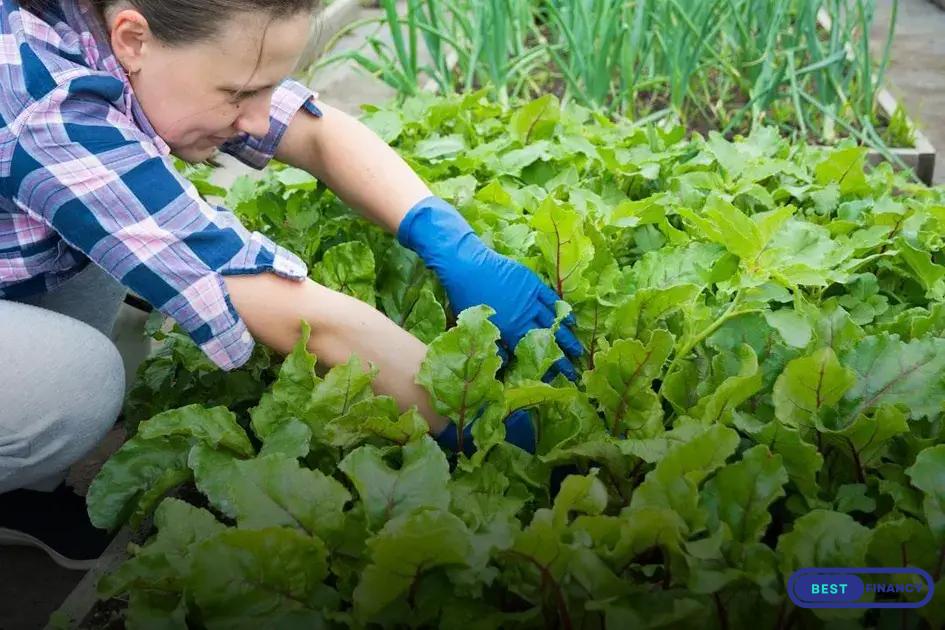
When starting your composting journey, there are certain pitfalls you should be cautious about. Being impatient is a common mistake. Composting is a natural process that takes time. If you turn your pile too frequently or do not give it enough time, you might disrupt the decomposition stages.
Adding the wrong materials can also hinder your success. Avoid adding meat, dairy products, and fats as they attract pests and create unpleasant odors. Stick to plant-based scraps like fruits and vegetables. Inadequate moisture is another mistake to watch out for. If your compost pile is too dry, decomposition will slow down significantly. On the other hand, an overly wet pile can lead to a smelly, anaerobic situation.
Balancing Greens and Browns
It’s important to keep your carbon-to-nitrogen ratio balanced. Too much nitrogen-rich ‘greens’ can make the pile smelly, while excess ‘browns’ may slow down the process. A good rule of thumb is to add one-third greens to two-thirds browns. Forgetting to turn the compost pile is another frequent oversight. Aerating the pile by turning it helps speed up the breakdown process by providing necessary oxygen.
Lastly, ignoring pest prevention can compound issues. Keep an eye on your pile and ensure it’s properly covered and maintained to deter unwanted critters. By avoiding these common errors, you’ll set a solid foundation for successful composting at home.
Benefits of Home Composting
- Reduces Household Waste: Composting at home significantly cuts down the amount of waste you send to landfills. This means less trash for city services to deal with and a smaller carbon footprint for you.
- Improves Soil Health: Compost is rich in nutrients. When added to gardens or lawns, it enriches the soil, promoting healthy plant growth without the use of chemical fertilizers.
- Cost-Effective Solution: By turning kitchen scraps and yard waste into valuable compost, you save money on store-bought soil amendments and reduce waste collection costs.
- Environmental Impact: Getting into composting can help reduce greenhouse gas emissions, as organic waste decomposition in landfills produces methane, a potent greenhouse gas.
- Encourages a Sustainable Lifestyle: Home composting leads to mindfulness about consumption and waste, encouraging eco-friendly habits in other areas of life.
- Improves Water Retention: Adding compost to soil helps retain moisture, reducing the need for frequent watering and conserving water, an essential resource.
- Reduces Pests: Composting naturally reduces the need for chemical pest control by promoting healthy soil and plant life, which are naturally more pest-resistant.

 Hosting a Garden Party: Decorate Naturally with Ease
 Outdoor Lighting Ideas to Highlight Your Garden at Night
 Incorporating Water Features: Transform Your Garden Oasis