
Keeping your lawn green and healthy throughout the year requires understanding key techniques. How to keep your lawn green and healthy year-round involves soil testing, proper watering and fertilizing, as well as effective mowing practices. Without the right care, lawns can deteriorate rapidly. Explore proven strategies and methods in the following sections to maintain a verdant lawn effortlessly.
Soil Testing: The Foundation of a Healthy Lawn
Soil testing is crucial when aiming for a lush lawn because it determines the nutritional needs of your soil. Begin by collecting soil samples from different areas of your lawn. Once you have the samples, a local extension office or garden center can help analyze the soil’s pH level and its nutrient composition.
Understand the Importance of pH Levels:
The pH level indicates how acidic or alkaline the soil is, which influences the availability of nutrients. Most grasses prefer a slightly acidic to neutral pH (around 6.0 to 7.0). If your soil is too acidic, you might need to add lime. Conversely, if it’s too alkaline, applying sulfur may help.
Nutrient Requirements: Soil testing can also reveal deficiencies in essential nutrients, like nitrogen, phosphorous, or potassium. If lacking, these nutrients can be supplemented through fertilization. Maintaining the correct balance ensures lush growth and resilience to diseases.
Step-by-Step Process:
- Remove any plant material or debris from the soil surface.
- Use a clean tool to collect samples from a depth of about six inches.
- Mix samples from multiple locations for an accurate representation.
- Dry the soil samples before transferring them to a testing container.
By regularly conducting soil tests, you ensure that your lawn’s needs are met effectively, laying a strong foundation for year-round health.
Watering Techniques: Maintaining Moisture Balance

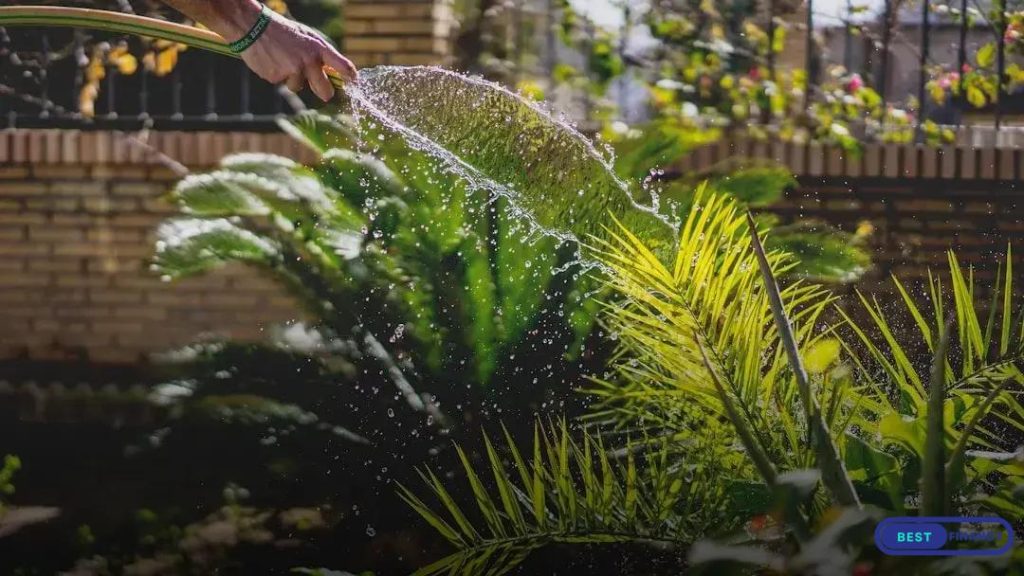
Understanding the proper watering techniques can significantly impact the health of your lawn. Watering deeply and infrequently is a key strategy to encourage roots to grow deeper into the soil, making your lawn more resilient to drought conditions.
Determine the best time to water your lawn. Early morning is generally the most effective time, allowing water to absorb before the heat of the day and reducing evaporation. Evening watering can sometimes lead to prolonged moisture, creating an environment conducive to fungal growth.
Adjust your watering schedule according to the season. During hotter months, your lawn may require more frequent watering, while in cooler seasons, less is needed. It’s crucial to monitor rainfall and supplement with additional water only when necessary.
Avoid overwatering, which can suffocate grass roots and lead to shallow root development. Use a rain gauge or moisture sensor to determine the water needs of your lawn accurately.
Smart irrigation systems
can be a valuable investment, providing precise water management through technology, and helping maintain the right moisture balance.
Seasonal Fertilizing Strategies
Fertilizing your lawn seasonally is crucial for maintaining its health and vibrancy. In spring, focus on giving your grass a strong start. Look for fertilizers high in nitrogen to promote lush growth. This helps your lawn recover from winter dormancy and sets the stage for a green, thick turf.
As summer sets in, maintain a balanced nutrient supply. Opt for a slow-release fertilizer to provide steady nourishment without overfeeding. Avoid fertilizing during scorching heat to prevent burning your grass. Watering deeply after fertilization ensures nutrients penetrate the soil effectively.
With the onset of fall, prepare your lawn for the coming colder months. Use a fertilizer with higher potassium levels to strengthen root systems and improve resistance against winter stress. This application supports recovery from summer wear and tear.
Finally, during winter, your lawn needs minimal intervention. Focus on regular cleaning, removing leaves and debris that could smother the grass. Fertilizing should be avoided, allowing the lawn to rest.
Natural Pest Control Methods

Pests can be a major threat to your lawn’s health, but using natural pest control methods can keep them at bay without harming the environment. One effective approach is to encourage beneficial insects that prey on harmful pests. Ladybugs, for example, feed on aphids, while ground beetles consume slugs and caterpillars. Introducing these helpful creatures into your lawn can naturally reduce pest populations.
Companion planting is another practical method. Certain plants, such as marigolds, emit chemicals that repel pests from nearby grass. Planting these around your lawn can create a natural pest barrier. Similarly, using essential oils like neem oil can act as a safe and effective pest deterrent. Applying these oils to affected areas can minimize the presence of insects without introducing harmful chemicals.
Maintaining healthy soils is vital for natural pest control. Healthy soil supports strong plant roots, which naturally defend against pests. Regularly aerate your lawn and add organic compost to enrich the soil, making it less inviting for pests to settle.
Cultural practices like proper mowing and watering also play a role in pest control. Keeping grass blades at an appropriate height can prevent pest habitats, and correctly timed watering ensures the lawn isn’t overly wet, which can attract pests like grubs.
Ultimately, the key to natural pest control is to focus on creating an environment where your lawn can thrive without needing harsh chemicals, building resilience against pests through healthy growth and smart landscaping practices.
Mowing Practices for Optimal Growth
To achieve optimal growth for your lawn, it’s essential to adopt key mowing practices. First, set your mower height appropriately. The ideal height varies depending on grass type, but generally, keeping grass about 2.5 to 3 inches tall helps retain moisture and minimizes weed growth. Avoid cutting more than one-third of the grass blade at a time, as this can shock the grass and hinder growth.
Regular mowing is crucial but aim for a schedule that aligns with your grass’s growth rate. Lawns grow faster in the spring and slower in the summer, so adjust your mowing frequency accordingly. Mowing when the grass is dry ensures a cleaner cut and avoids clumping.
Ensure sharp mower blades, as dull blades tear the grass, creating a ragged edge that may invite disease. Sharpening your blades at least once per season is recommended.
Leaving grass clippings on the lawn can be beneficial, as they decompose and return essential nutrients to the soil. Using a mulching mower can facilitate this process. These clippings should be short to avoid smothering the living grass.
Proper mowing practices, combined with other lawn care routines, foster a lush and healthy lawn capable of withstanding seasonal challenges.

 Hosting a Garden Party: Decorate Naturally with Ease
 Outdoor Lighting Ideas to Highlight Your Garden at Night
 Incorporating Water Features: Transform Your Garden Oasis