

Growing herbs indoors on your windowsill can transform your home into a lush oasis. Imagine fresh basil, mint, and parsley at your fingertips year-round. Selecting the right herbs and providing the proper care are crucial for success. In this guide, we’ll explore how to choose herbs, gather supplies, and maintain your indoor garden, turning even the smallest spaces into green havens.
Choosing the Right Herbs for Indoors
Choosing Suitable Herbs for Indoors
Herbs offer flavor and fragrance to your indoor garden. It’s crucial to choose varieties that thrive indoors. Key herbs for indoor growth include basil, mint, chives, and oregano, which adapt well to window sills. Consider light requirements, as some herbs need more sunlight than others. For instance, parsley and cilantro can tolerate partial shade, whereas rosemary needs full sunlight for robust growth.
Space and Containers: Select herbs based on the space available. Smaller herbs like thyme and chives work well in compact spaces. Use containers with drainage holes to avoid waterlogging.
Herbs not only vary in size but also in growth habits. Some, like mint, can be invasive and require regular pruning. Be mindful of this to maintain a tidy herb garden.
Remember, the choice of herbs impacts your indoor gardening success. Opt for those that meet your culinary needs and environmental conditions indoors, ensuring a thriving and aromatic herb garden throughout the year.
Essential Supplies for Growing Herbs
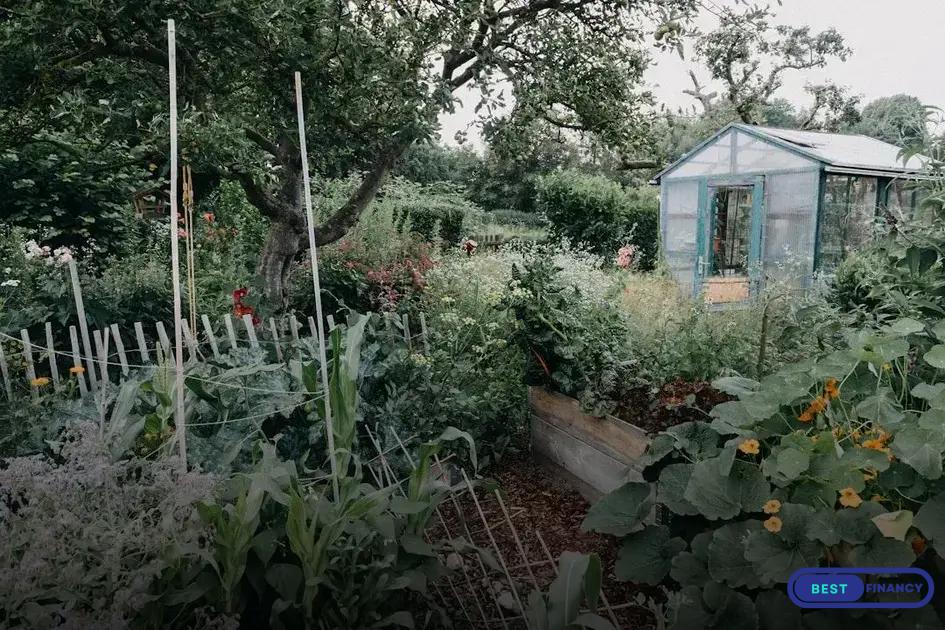
To successfully cultivate an indoor herb garden, gathering essential supplies is crucial. Start with potting soil, aiming for a mix that offers good drainage—since herbs dislike sitting in water. Consider purchasing a bag labeled for container plants or specifically for herbs.
Pots and containers are equally important. Choose containers with drainage holes to prevent root rot. Small herb plants thrive well in containers that are at least 6 to 12 inches deep. Opt for assorted sizes to accommodate the diverse growth patterns of your herbs.
Light sources play a critical role in the growth of indoor herbs. While natural sunlight from a windowsill suits most herbs, investing in grow lights can extend daylight hours during shorter days. LED grow lights offer a full spectrum and can be adjusted closer or further from the plants for optimal growth.
Watering tools like a watering can or a small spray bottle with a gentle mister help in maintaining the right moisture levels for your herbs. Ensure not to overwater, which can be as detrimental as under-watering.
Don’t forget about fertilizers, specifically those designed for edible plants. A liquid soluble fertilizer applied bi-weekly can provide the necessary nutrients for your herbs to thrive. Avoid over-fertilizing, which may lead to excessive leaf growth but less flavor.
Finally, include a pair of pruning shears to regularly trim and promote healthy plant growth. Regular pruning instigates a bushier appearance and can prevent your herbs from becoming leggy.
Step-by-Step Planting Guide
- Gather Your Supplies: Ensure you have all your planting materials ready. This includes pots with good drainage, nutrient-rich soil mixes, and your choice of herb seeds or seedlings.
- Sow the Seeds: Fill each pot with soil, leaving about an inch from the top. If using seeds, place them on top and lightly cover with soil. For seedlings, dig a small hole and plant at the same depth they were in before.
- Watering: Gently water the soil until it’s moist but not soggy. Herbs prefer consistent moisture, so make sure the soil never dries out completely.
- Placement: Put your pots in a location that receives plenty of sunlight, such as a windowsill that faces south or west. Most herbs require at least 6 hours of sunlight each day.
- Label Your Herbs: Use small sticks or labels to mark each plant. This not only helps in identifying each herb but also ensures you care for them appropriately based on their specific needs.
- Light Supplementation: If sunlight is insufficient, consider using a grow light to ensure herbs get adequate light. Position the light close to the plants, around 6 inches above them.
- Monitor Growth: Keep track of the growth process and check for any signs of distress, such as drooping leaves or discoloration. This allows you to adjust your care routine as needed.
- Thin Out Seedlings: If multiple seeds were planted in one pot and they all sprouted, thin them out to avoid overcrowding. This gives each plant space to grow.
- Consistent Temperature: Maintain a room temperature conducive for herb growth, typically between 65°F to 75°F. Avoid placing them near drafty windows or heat sources.
- Feeding Herbs: Use a liquid fertilizer every month to provide nutrients. Opt for a balanced mix suitable for edible plants.
Caring for Your Indoor Herb Garden
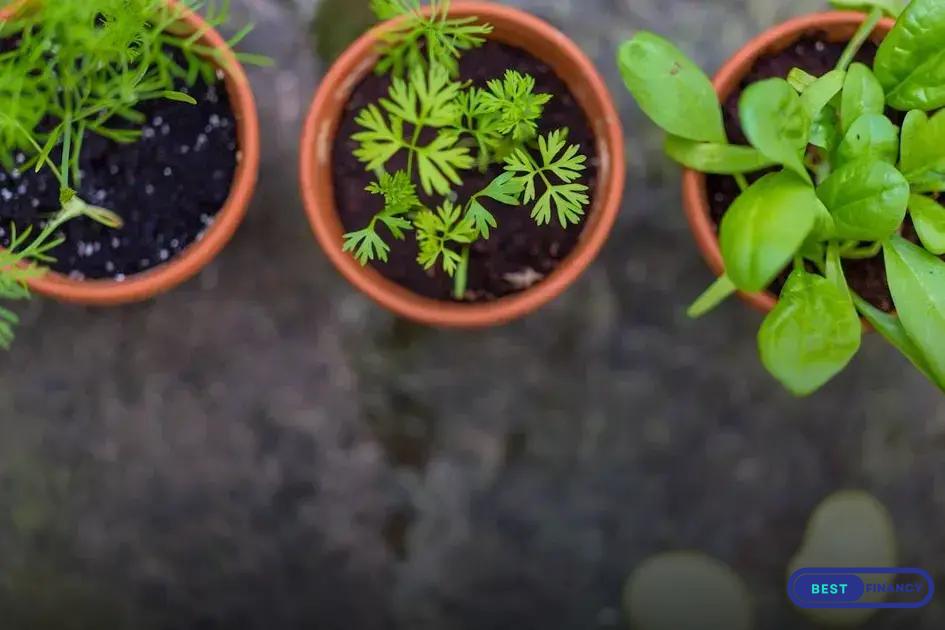
To ensure your indoor herb garden thrives, it’s crucial to maintain an ideal environment. Begin by positioning your herbs in a sunny location, typically a windowsill with 6-8 hours of sunlight daily. If natural light is insufficient, consider using grow lights to supplement.
Watering requires attention; check the soil moisture regularly. Overwatering can lead to root rot, so ensure drainage holes are unobstructed and the soil is not waterlogged.
Humidity levels affect growth. If the air is dry, especially in winter, use a humidity tray or mist the plants occasionally. Proper air circulation also helps prevent mildew; ensure there’s adequate space between pots.
Feeding herbs is essential for robust growth. Monthly fertilization with a balanced liquid fertilizer can promote healthier plants. However, avoid over-fertilizing, as it can alter the taste of the herbs.
Common Challenges and Solutions
Growing herbs indoors can be immensely rewarding, but it often comes with its own set of unique challenges. One of the most common issues is dealing with limited sunlight. Many indoor spaces simply don’t receive the same level of light that outdoor gardens do, and this can stifle the growth of your herbs. To combat this, consider using LED grow lights that mimic natural sunlight. These can be adjusted to the appropriate intensity and duration for each plant’s needs.
Another frequent challenge is watering. Indoor environments can cause the soil to dry out more quickly or stay too damp, leading to issues like root rot. To avoid this, it’s crucial to choose pots with adequate drainage and monitor the soil moisture regularly. Using a moisture meter can help you maintain the right balance.
Pest control can also be a hurdle when growing herbs inside. Common pests like aphids or spider mites may find their way into your home garden. Regularly inspect your plants for signs of infestation, and if needed, use natural pest control methods, such as neem oil or insecticidal soap, to keep them at bay.
Temperature and humidity levels are often overlooked but are vital for herb growth. Most herbs thrive in temperatures between 65-75°F (18-24°C) and prefer humidity levels around 40-50%. If your indoor air is dry, consider a humidifier to maintain optimal conditions.
Sometimes, soil quality and nutrient deficiencies can stunt plant growth. Use high-quality potting soil and consider supplementing with organic fertilizers to ensure your herbs get the nutrients they need to thrive.

 Hosting a Garden Party: Decorate Naturally with Ease
 Outdoor Lighting Ideas to Highlight Your Garden at Night
 Incorporating Water Features: Transform Your Garden Oasis