

Growing beautiful roses at home can be a rewarding and fulfilling hobby. With the right techniques and care, you can transform your garden into a vibrant showcase of stunning roses. Start by choosing the right varieties that thrive in your climate. Pay attention to soil conditions and ensure you plant with the best practices. Regular watering and proper fertilization are key to healthy rose bushes. Learn how to identify and treat common pests and diseases to keep your plants flourishing. Mastering the art of pruning will help you achieve those coveted, beautiful blooms. Embrace these expert tips, and soon your garden will be the envy of the neighborhood.
Choosing the Right Rose Varieties
When it comes to choosing the right rose varieties for your home garden, it’s essential to consider your climate and aesthetic preferences. Roses come in a wide array of types, each with its own unique characteristics and growth patterns. Some popular types include hybrid teas, floribundas, and climbers. Hybrid teas are known for their large blooms and are perfect for creating dramatic displays in your garden. If you’re looking for constant bloomers with a bushier form, floribundas might be your best choice. For adding vertical interest, consider climbing roses to adorn fences or trellises.
The climate plays a crucial role in determining which rose varieties will thrive. If you live in a region with harsh winters, look for hardy varieties that can withstand colder temperatures. Conversely, in hotter climates, opt for varieties that exhibit heat tolerance and resistance to drought.
Consider fragrance and color when selecting your roses. Some varieties offer exquisite scents, adding an aromatic dimension to your garden. Popular fragrant varieties include ‘Mr. Lincoln’ with its deep red hue and ‘Double Delight’ with its creamy white and red blooms.
Whichever variety you choose, always verify the disease resistance of the roses. Opt for varieties known to resist common diseases like black spot and powdery mildew, ensuring healthier plants with fewer chemical interventions.
Essential Soil and Planting Tips
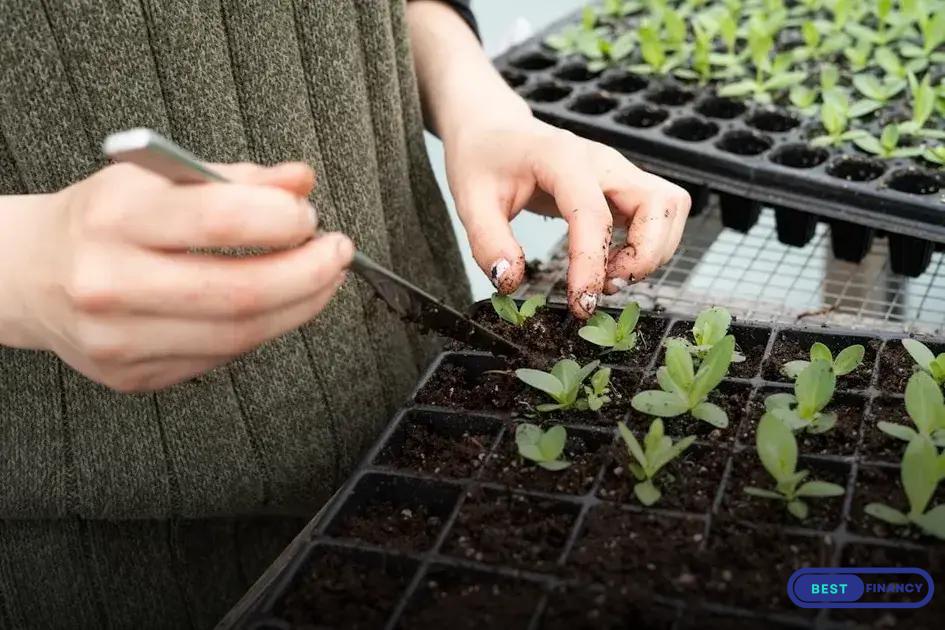
To cultivate vibrant roses at home, understanding the groundwork for planting is essential. Begin by selecting a spot in your garden that receives a minimum of six hours of sunlight daily. Roses thrive in well-drained soil, so if your garden lacks this, consider using raised beds or amending the soil with organic matter to improve its structure and drainage.
Before planting, test the soil pH to ensure it falls between 6.0 and 6.8, the optimum range for roses. If the pH is below 6.0, incorporate lime to raise it, and if it’s above 6.8, use sulfur to lower it. Prepare your planting area by digging a hole that’s twice as wide and deep as the root ball of your rose plant. This allows the roots ample space to spread and establish.
Mix a generous amount of compost into the excavated soil, enhancing the nutrient content. Place the rose plant in the hole at the same depth as it was in its container. Refill the hole with the enriched soil, firming it gently around the base. Water thoroughly to eliminate air pockets and settle the soil. Mulch around the base with organic material like bark or wood chips to retain moisture and regulate soil temperature.
For the best results, give space between individual rose plants, ensuring good air circulation. This reduces the risk of diseases, especially fungal infections. Regularly inspect the soil for signs of compaction or deficiency and address these issues as they arise, to maintain a healthy growing environment for your roses.
Watering and Fertilizing for Optimal Growth
Proper watering and fertilizing are crucial for your roses to thrive. Begin by ensuring your roses receive enough water, but be mindful not to overwater. Water deeply once a week, allowing the water to reach the roots. It’s essential to water at the base of the plant to prevent disease.
When it comes to fertilizing, start with a balanced rose fertilizer in early spring. Use a granular fertilizer three times a season: early spring, just as new growth begins, and mid-season.
Consider using organic options
that improve the soil quality and are gentle on your roses. Follow the specific instructions on the package and avoid over-fertilization, which can harm your plants.
Additionally, monitor the leaves for signs of nutrient deficiency, such as yellowing leaves indicating a lack of nitrogen. Ensure your rose bushes have adequate nutrients by observing the soil’s pH level, which should be around 6.0 to 6.8 for optimal growth. Performing a soil test can guide you in adjusting the pH and nutrient balance accordingly.
Roses also benefit from mulching, which retains moisture and provides a steady release of nutrients. Apply a 2-3 inch layer of organic mulch around the base of the plant, keeping it away from the stems to prevent rot. This practice not only insulates the roots but also enriches the soil as it decomposes.
Pest and Disease Prevention Strategies
Roses, while stunning, are prone to various pests and diseases that can hinder their growth. One of the primary strategies for prevention is proper sanitation. Regularly remove debris and fallen leaves around the rose bush to minimize the spread of pests and fungal spores. Furthermore, inspect your roses frequently for any signs of aphids, spider mites, or black spot disease.
Implementing a schedule to apply organic insecticides and fungicides can help protect the roses. Neem oil, for instance, is a popular choice among gardeners for its effectiveness against pests while being safe for the environment. Additionally, encouraging beneficial insects, like ladybugs and lacewings, can naturally control the pest population.
Ensuring your roses are healthy is another crucial step. Well-nourished plants are naturally more resilient to illnesses. Make sure the planting area has adequate drainage and the roses are not overcrowded, which improves air circulation. Lastly, select resistant rose varieties when possible, as they offer a natural defense against common ailments.
Pruning Techniques for Beautiful Blooms
Pruning is an essential aspect of cultivating vibrant roses. By understanding the right techniques, you can encourage healthier growth and more abundant blooms. Begin by selecting a sharp pair of pruning shears, ensuring clean cuts that reduce damage.
Select the Right Time for Pruning
Timing is crucial. Late winter or early spring is often the best period to prune roses as it encourages new growth. Look for when the first buds start swelling.
Remove Unwanted Growth
Start by cutting away dead or diseased wood. This prevents the spread of any infections and allows the plant to direct energy towards healthy growth. Also, remove any weak or crossing branches to open up the center of the bush.
Promote Desired Shape
When pruning, aim to shape your rose bush so that it grows in an open, vase-like form. This allows air circulation and light penetration, which reduces diseases and encourages even blooming.
Make Clean Cuts
Always prune at a 45-degree angle above an outward-facing bud. This technique ensures the water runs off and new growth will be directed outwardly, producing a well-shaped bush.
Regular Maintenance Pruning
Throughout the blooming season, deadhead spent blooms and remove any additional unwanted growth. This keeps the plant tidy and encourages a second wave of blooms.

 Hosting a Garden Party: Decorate Naturally with Ease
 Outdoor Lighting Ideas to Highlight Your Garden at Night
 Incorporating Water Features: Transform Your Garden Oasis