
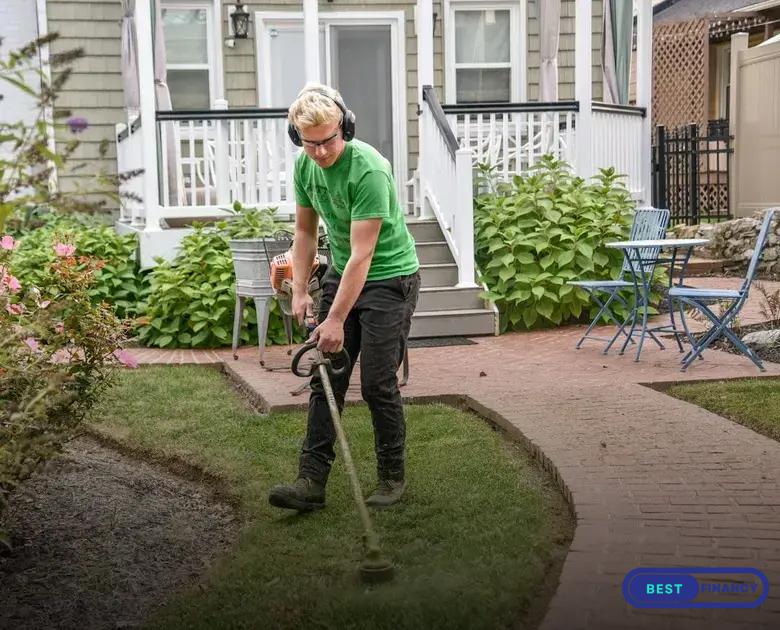
Creating a pollinator-friendly garden is a rewarding endeavor that not only beautifies your space but also supports vital insects like bees and butterflies. Understanding their habits and needs can help in crafting a garden that enhances biodiversity effortlessly. The following sections will guide you through selecting the right plants, scheduling blooms, and providing essential resources like water and shelter. You’ll also learn about avoiding pesticides that could harm these important creatures. Dive in to transform your garden into a haven for pollinators!
Understanding Pollinator Needs
Pollinators like bees and butterflies require specific conditions to thrive, and understanding their needs is crucial for creating a supportive environment. One of the primary needs of these creatures is access to a diverse range of nectar and pollen sources throughout the year. Without the right plants, pollinators may struggle to find food, especially in urban settings.
Habitat diversity is also essential. Pollinators need different types of plants and flowers, which provide food and breeding grounds. Native plants are often best, as they have evolved together with local pollinator species. Additionally, different species of pollinators prefer different types of flowers, such as tubular flowers for butterflies or open blooms for bees. Consider the preferred flower shape for the pollinators you aim to attract.
Pollinators also require clean, pesticide-free environments. Many standard garden treatments can harm or deter these creatures, so opt for organic alternatives whenever possible. This ensures a safe space for pollinators to live and forage without risk.
Another critical element is protection and shelter. Butterflies, for example, may need sunny spots and shelter from strong winds. Providing such conditions can help them thrive. Additionally, certain pollinators require leafy debris or bare patches of soil for nesting.
Choosing the Right Plants
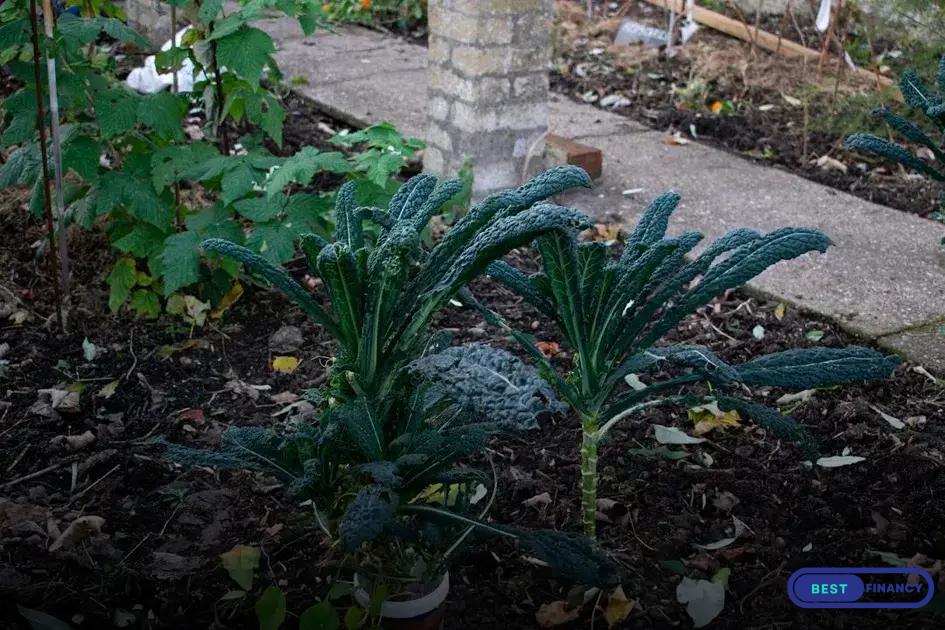
Selecting the appropriate plants for a pollinator-friendly garden is essential to attract a diverse range of bees and butterflies. Consider native plants as they are naturally adapted to your local environment, making them more attractive to local pollinators.
Research Native Species
Identify which native flowers thrive in your area. Native plants often require less maintenance, water, and pest control, benefiting both the garden and the ecosystem. Incorporate a variety of colors, shapes, and sizes to attract different pollinators.
Plant Diversity and Layers
Use a mix of flowering plants that bloom throughout the seasons to provide continuous food supplies. Aim for a combination of shrubs, perennials, and annuals to create vertical layers, mimicking natural habitats.
Complement with Fragrant Plants Fragrant flowers can significantly draw pollinators. Include plants like lavender or mint to add scent diversity. Pay attention to bloom time and opt for overlapping schedules to ensure there’s always something in bloom.
Focus on Sustainability
Sustainability is key. Choose plants that do not require frequent watering, and avoid invasive species that could disrupt the ecosystem balance.
Designing a Seasonal Bloom Plan
When designing a seasonal bloom plan, it’s crucial to consider a variety of factors to ensure continuous blooms throughout the year. This approach not only provides pollinators with a consistent food source but also enhances the aesthetic of your garden.
Start by researching and selecting plants that flower in different seasons. A well-balanced bloom schedule will attract bees and butterflies regularly. For instance, in spring, consider early bloomers like crocuses and tulips. These plants offer the first nectar after winter’s end.
As summer approaches, integrate flowers like lavender and sunflowers. These vibrant plants not only draw in pollinators but also make your garden visually appealing. In fall, asters and goldenrods can provide late-season nectar, essential for pollinators preparing for winter.
It’s also important to incorporate a mix of colors and flower types. This diversity caters to different pollinator preferences and ensures your garden supports a wide range of species. For example, butterflies are often attracted to bright, flat flowers, whereas bees tend to prefer tubular, blue or yellow flowers.
Moreover, plant placement can significantly influence pollinator activity. Group plants together to create an efficient feeding ground, minimizing the energy pollinators expend when searching for food. Clusters of the same species can be particularly inviting.
Monitor your garden as seasons change to assess bloom success and make necessary adjustments. If certain plants aren’t thriving, consider alternative species that thrive under similar conditions.
Providing Water and Shelter
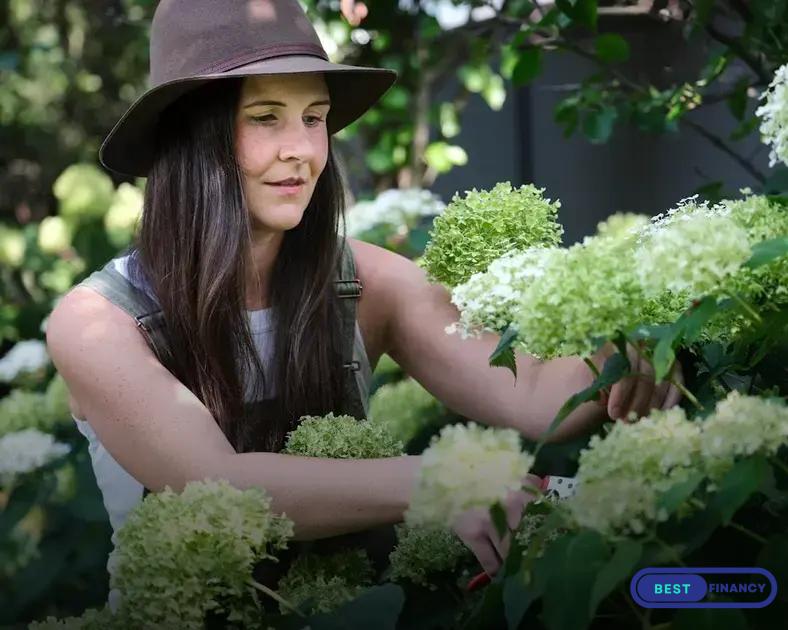
Ensuring that water and shelter are available in your garden is crucial for supporting bees and butterflies. These pollinators require easy access to water, especially during warm months. A simple birdbath can suffice if equipped with stones or shallow platforms for them to perch on while drinking.
Butterflies particularly prefer muddy puddles, which offer essential minerals along with hydration. Consider creating a puddle by filling a shallow dish with sand and water to mimic a natural rain puddle. This simple action can greatly aid butterflies as they seek nutrition.
For shelter, consider incorporating both natural and artificial options. Leaving some areas of your garden more natural, with piles of leaves or sticks, can create perfect hiding spots for resting bees. Additionally, a modest bee house can provide refuge for solitary bees. Look for these at garden centers or make one yourself from logs with drilled holes, ensuring they are dry and out of harsh weather conditions.
Butterflies are less particular about artificial shelters but will benefit from dense shrubs or tall grasses where they can escape wind and predators. Including these elements will make your garden not just a feeding ground but a true safe haven for pollinators.
Avoiding Harmful Pesticides
Avoiding harmful pesticides is crucial to maintaining a safe environment for bees and butterflies in your garden. Many commercial pesticides contain chemicals that can be lethal to these important pollinators. Instead of relying on these harmful substances, consider using natural pest control methods.
One approach is to promote a balanced ecosystem in your garden. By encouraging the presence of beneficial insects that prey on pests, you can naturally control pest populations. Ladybugs, lacewings, and spiders are excellent allies in this effort.
Another method is to use homemade, non-toxic sprays made from ingredients like neem oil or garlic to repel unwanted insects. These solutions are generally safe for pollinators while being effective against pests.
Furthermore, practicing companion planting can help deter pests while supporting the growth and health of beneficial plants. For example, planting marigolds near your garden beds can naturally keep certain pests at bay.
Read Labels Carefully
Always read labels and choose organic and eco-friendly products when shopping for garden supplies. Look for certifications or labels that indicate the product is bee-friendly and free from neonicotinoids, a common pesticide harmful to bees.
By implementing these strategies, you help ensure your garden remains a safe haven for pollinators, allowing them to thrive and multiply without the threat of harmful chemicals.

 Hosting a Garden Party: Decorate Naturally with Ease
 Outdoor Lighting Ideas to Highlight Your Garden at Night
 Incorporating Water Features: Transform Your Garden Oasis