
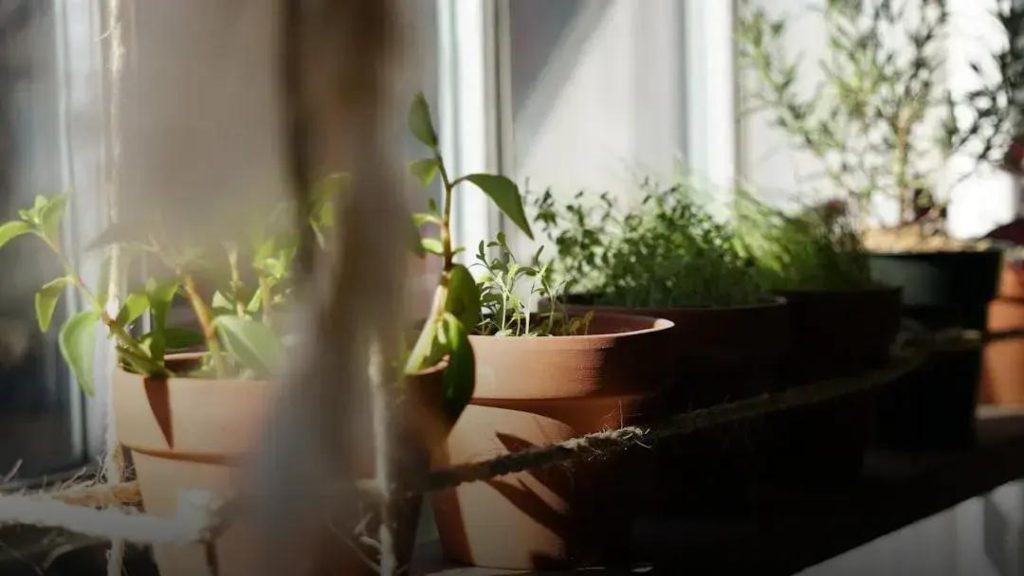
Container gardening offers a versatile solution for plant enthusiasts who lack a yard. The concept revolves around using various container types to grow plants indoors or on small outdoor spaces. By selecting the right containers and understanding plant types, even without a traditional garden, you can nurture a flourishing green haven. Let’s delve into the world of container gardening and discover how you can maximize limited space efficiently.
Choosing the Right Containers
When beginning your journey in container gardening, selecting the appropriate containers is paramount. Containers come in various materials, each with its own benefits. Clay pots offer natural aesthetics and good airflow but can dry out quickly, whereas plastic pots retain moisture longer and are lighter to move.
Size matters as well. Small plants thrive in compact containers, while large plants or multiple plants require spacious containers to grow effectively. Ensure your pots have sufficient drainage holes to avoid waterlogging, which can harm plant roots.
Consider weight and mobility. If you plan to occasionally move your container garden, choose materials that are lightweight or have wheels. Additionally, think about the environmental conditions in which your containers will be placed. In cooler climates, materials that retain heat, such as dark-colored containers, can promote plant growth by keeping the soil warm.
Lastly, think about the aesthetics. Your containers should complement your indoor environment. Use colorful or uniquely shaped pots to add a decorative element to your space, making your garden both functional and visually pleasing.
Best Plants for Container Gardening
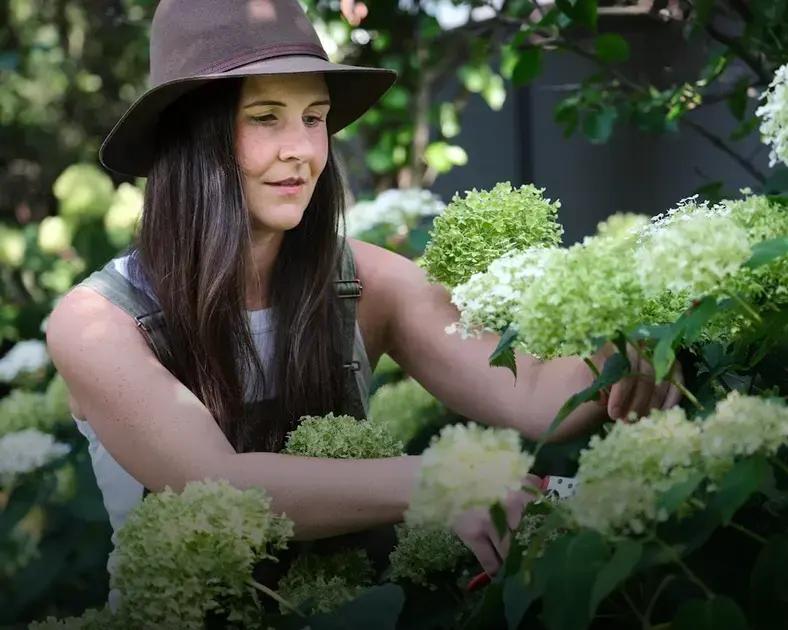
Container gardening offers a versatile way to enjoy the benefits of plants without needing a large outdoor space. When selecting plants for your containers, it’s important to consider their specific needs and how they fit within your available space. Here are several top choices:
- Herbs: Basil, parsley, and mint are excellent herbs to grow in containers. They thrive with minimal space and provide fresh flavor for your cooking.
- Flowers: Marigolds and petunias add vibrant color to your garden. They do well in pots and require moderate sunlight.
-
Vegetables
: Tomatoes and peppers can be highly productive when grown in pots. Just ensure they receive ample sunlight and use stakes or cages for support.
- Succulents: These are low maintenance and come in many shapes and sizes, making them great choices if you are new to container gardening.
Choose plants based on the light they will receive, their growth habits, and your personal preferences for a lush and functional garden.
Essential Tools for Container Gardeners
When embarking on your container gardening journey, having the right tools makes a remarkable difference in your gardening experience. The first essential item is a sturdy pair of gardening gloves. They not only protect your hands from blisters and thorns but also keep them clean from dirt and plant sap. Moreover, having a lightweight trowel is crucial. This tool helps dig holes for planting and is extremely useful in loosening compacted soil.
A watering can with a spout that’s narrow is ideal for directing water precisely at the base of your plants, reducing wastage and ensuring each plant receives an adequate amount. For those with a larger assortment of plant containers, a hose with an adjustable nozzle provides the flexibility needed to control the flow of water. Pruning is essential to encourage growth, thus, a good pair of pruning shears is indispensable. They ensure clean cuts and are comfortable for extended use, preventing hand fatigue.
It’s also advisable to keep a set of garden scissors. These are perfect for cutting herbs or flowers and for any quick trimming tasks. To monitor the health of your plants, a soil moisture meter can be highly beneficial. It helps determine if the soil is too dry or too moist, ensuring your plants remain healthy and thriving. Additionally, labels and a permanent marker are helpful tools to keep track of plant species, especially when dealing with a larger variety.
Finally, a durable hand rake can aid in leveling the soil and gathering debris, making the planting process smoother and more organized. Having these tools at your disposal will undoubtedly ease your container gardening experience, allowing you to cultivate a lush indoor garden without the need for a traditional yard.
Caring for Your Container Garden
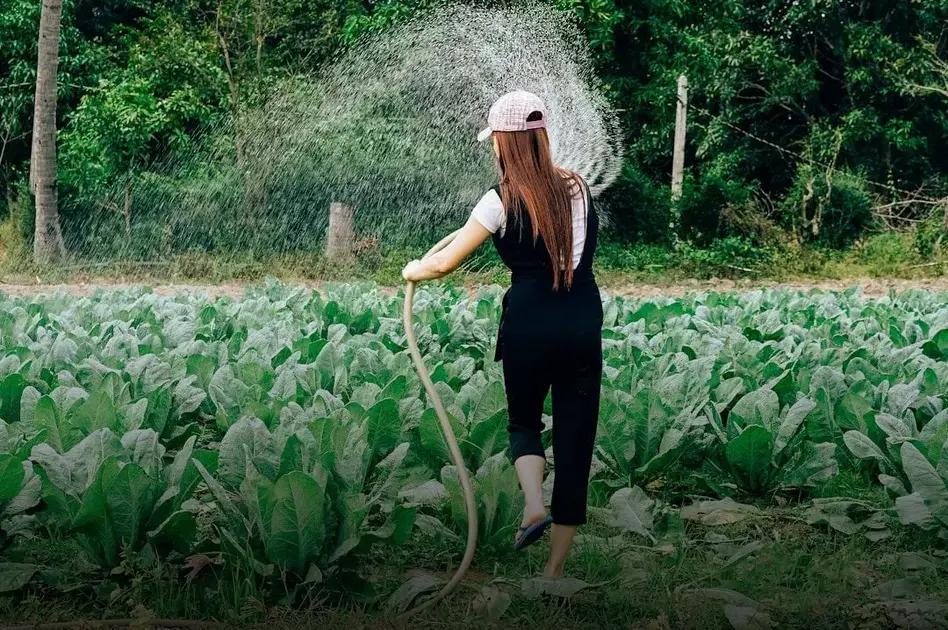
To ensure the thriving of your container garden, it’s essential to focus on key elements like watering, fertilizing, and sunlight exposure. Container plants typically need more frequent watering than those in the ground. Check the soil moisture regularly by sticking your finger about an inch into the soil. If it’s dry, it’s time to water.
Make sure your containers have adequate drainage to prevent waterlogging, which can lead to root rot. You might consider adding gravel or small stones to the bottom of your pots to aid in drainage.
Fertilizer
is vital for container plants because they can quickly deplete the nutrients available in a confined amount of soil. Use a balanced, water-soluble fertilizer every few weeks to ensure your plants get the necessary nutrients.
Light exposure is another crucial aspect. Position your containers according to the light requirements of the plants you have chosen. Some plants thrive in full sun, while others prefer partial shade. Adjust their location or use grow lights if necessary.
Regularly check for pests and diseases. Keep an eye out for leaf discoloration or damage, which may indicate a pest problem. Treat any issues promptly to prevent them from spreading.
Creative Ideas to Maximize Small Spaces
Maximize your small indoor spaces with container gardening. This style of gardening allows you to grow a variety of plants without needing a traditional yard. Use vertical space effectively by hanging planters on walls or using shelves. Opt for stackable containers to create a multi-layered garden. Choose containers that suit the specific needs of each plant, ensuring they have adequate drainage.
In small spaces, consider mobility. Use containers with wheels or lightweight materials to move plants easily and adjust to seasonal sunlight. For small balconies or apartments, leverage over-the-rail planters to utilize railing space. Additionally, hanging baskets are ideal for adding greenery without sacrificing floor area.
Light is crucial; therefore, experiment with creative lighting solutions. If you lack natural light, employ grow lights which can be positioned overhead or on the sides to ensure even light distribution. Mirrors can also be strategically placed to reflect sunlight, giving plants the light they need while enlarging the appearance of the space.
Integrate plants with your furnishings. For example, a plant shelf can double as a room divider or stacks of planters can create visual interest in unused corners. With a thoughtful approach, small spaces can thrive with lush greenery, enhancing both aesthetics and air quality.

 Hosting a Garden Party: Decorate Naturally with Ease
 Outdoor Lighting Ideas to Highlight Your Garden at Night
 Incorporating Water Features: Transform Your Garden Oasis