
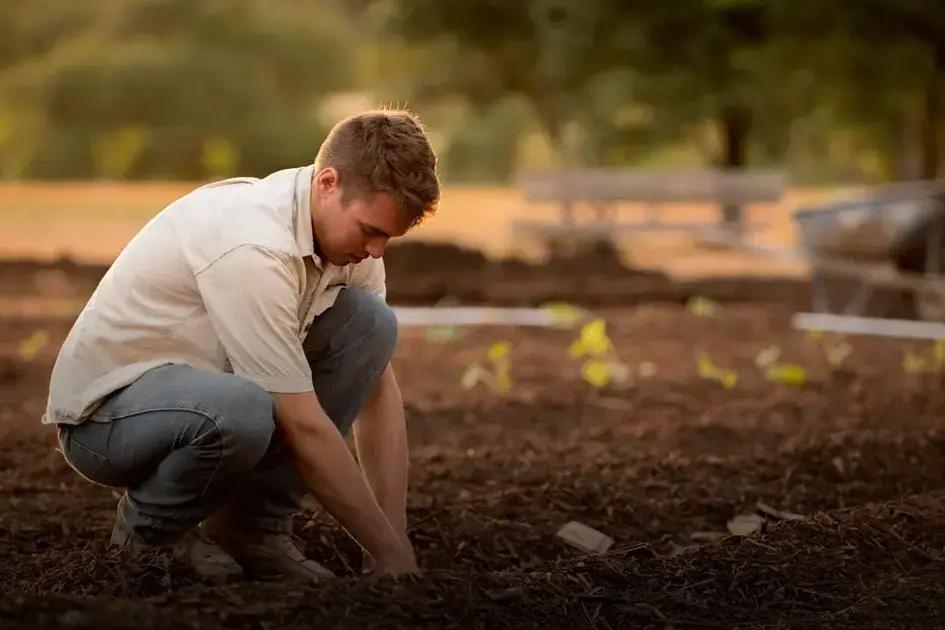
Balcony gardening offers apartment dwellers a unique way to engage with nature. With limited space, it’s essential to choose the right plants and use smart techniques. From selecting suitable species for variable light conditions to maximizing vertical space, anyone can create a thriving garden oasis. Dive into essential tools, effective watering methods, and tips to maintain your greenery through changing seasons. Our guide ensures your balcony transforms into a personal retreat filled with nature’s beauty.
Choosing the Right Plants for Your Balcony
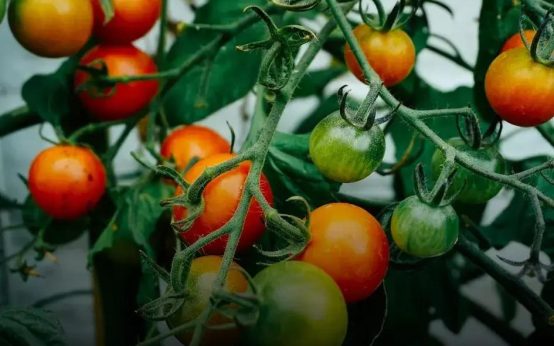
When it comes to selecting plants for your balcony garden, it is essential to consider the sunlight exposure and climate in your area. Balconies facing the south or west generally receive the most sunlight, making them ideal for sun-loving plants like tomatoes, peppers, and succulents. If your balcony is shaded, consider growing ferns, ivy, or hostas, which thrive in lower light conditions.
Balcony gardeners should aim for compact plants that won’t outgrow their space. Varieties labeled as dwarf or miniature are excellent choices due to their smaller stature. Try using herbs like basil, mint, and chives, which not only fit well in small containers but also provide fresh flavors for your kitchen.
Additionally, consider the use of vertical gardening solutions to optimize space on a smaller balcony. Wall-mounted planters, hanging baskets, or tiered plant stands allow you to make the most of the vertical area. Choose vining plants such as sweet peas or trailing petunias to add visual interest and color.
When selecting containers, make sure they have adequate drainage to prevent root rot. Clay pots, wooden boxes, or recycled materials can also add a unique aesthetic to your balcony. Consider the load capacity of your balcony when adding multiple plants and containers, and always check with your building’s guidelines if necessary.
By thoughtfully selecting plants suited to your balcony’s light and space conditions, you’ll be well on your way to creating a flourishing balcony garden that enhances your living environment.
Maximizing Limited Space with Vertical Gardening
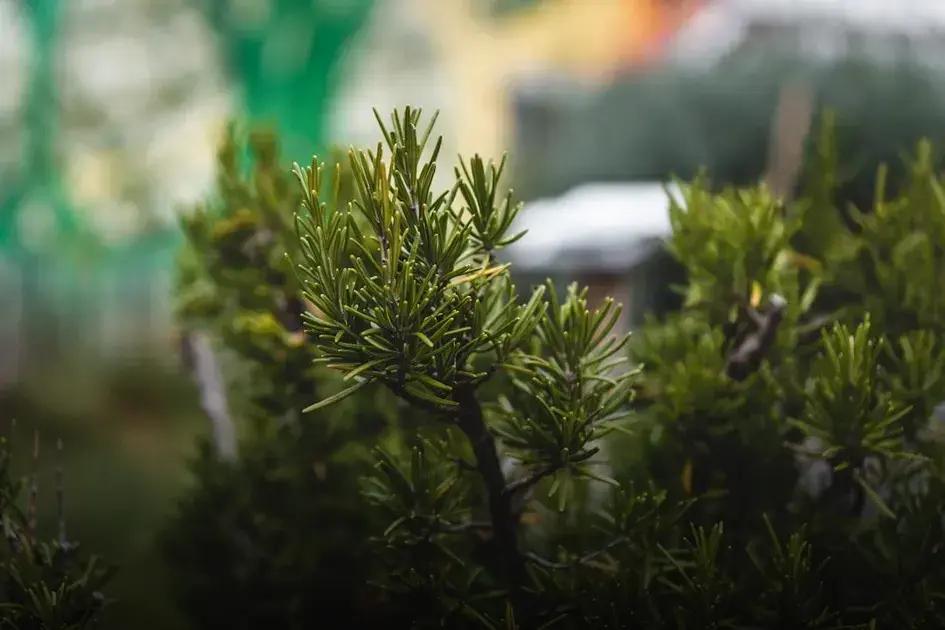
Vertical Gardening Strategies
Vertical gardening is an excellent way to make the most of limited balcony spaces. By utilizing walls, railings, or specially designed vertical planters, you can grow a wide variety of plants without occupying valuable floor space. Start by selecting sturdy structures like trellises or netting that can support climbing plants such as tomatoes, cucumbers, or beans. These plants are ideal because they naturally grow upwards, taking advantage of vertical growth efficiently.
Another effective technique is using hanging planters or stacked pots. These containers allow you to layer different plants, thus enhancing the volume of greenery you can maintain. Herbs like basil, cilantro, or thyme are perfect choices for stacked pot arrangements. Not only do they require minimal space, but they also thrive with less soil, which makes them suitable for vertical arrangements.
Optimize Small Spaces
To maximize space effectively, prioritize placing your vertical gardening structures in sunny spots. Most plants require adequate sunlight to grow, and vertical setups should not obstruct the light for other plants. Remember to water your vertical garden regularly, as structures like vertical wall planters tend to dry out faster than regular pots. Investing in a drip irrigation system or self-watering planters can help maintain consistent moisture levels, which is crucial for healthy plant growth.
Integrate edible plants for practicality, giving you both aesthetic and culinary benefits. Fruits like strawberries and vegetables such as peppers can be great additions. By mixing edible plants with ornamental ones, you can create a vibrant and functional balcony garden, making the most out of your apartment space.
Essential Tools and Supplies for Beginners
Starting a balcony garden is an exciting venture that opens up a world of possibilities in transforming your apartment space. To ensure a successful gardening experience, there are some essential tools and supplies that every beginner should consider having. First and foremost, strong gloves are necessary to protect your hands while handling soil and plants.
Having a reliable trowel is important for digging and transferring plants. It should have a comfortable handle and a well-designed blade for easy use. Additionally, a watering can with a long spout is crucial for reaching plants in tricky corners or higher spots of your balcony garden.
Quality Soil and Fertilizer
Investing in good-quality potting soil is essential for the growth of your plants. Unlike garden soil, potting soil is lighter and specifically designed to meet the needs of container plants, ensuring they get enough aeration and nutrients. Pair the soil with an all-purpose fertilizer to keep plants healthy and thriving throughout the growing season.
Planters and Containers
Consider using various containers and pots to create visual interest and cater to different plant needs. Self-watering pots can be a lifesaver if you have a busy schedule, while hanging planters make great use of vertical space.
Pruning and Maintenance Tools
Having a sharp pruner is vital for trimming and maintaining your plants. Regular pruning helps promote healthy growth and prevents overgrowth, ensuring your balcony garden stays neat and organized. Don’t forget a small rake or hand cultivator for loosening the soil and removing debris.
Lastly, remember that having a compact tool organizer or storage box keeps your tools easily accessible and reduces clutter in your limited space. With these tools and supplies, you can confidently embark on your balcony gardening journey.
Watering Techniques for Container Gardens

Ensuring your container garden thrives on your balcony starts with mastering the right watering techniques. It’s key to understand that unlike garden soil, potted plants tend to dry out faster. This is because they’re exposed to more sunlight and wind, especially on high-rise balconies. Pay attention to the needs of different plants, as not all require the same amount of water.
A good rule of thumb is to water enough so that excess water drains out from the bottom of the container. This ensures that the entire root system receives water and prevents root rot.
Check Soil Moisture
frequently by sticking your finger about an inch into the soil. If it feels dry, it’s time to water. Utilizing self-watering pots can also ease your daily maintenance tasks by maintaining consistent moisture levels.
Observing weather patterns is crucial. During the hot summer months, you might need to water your plants daily; however, during cooler seasons, the frequency might decrease. If you notice wilting or yellow leaves, these could be signs of both over-watering and under-watering; checking the moisture content within the soil will help you assess the situation.
Grouping plants with similar watering needs can also optimize your watering schedule. For instance, succulents and cacti require less frequent watering compared to herbs and vegetables. Early morning is the best time to water plants, as this reduces evaporation and allows the plants to absorb moisture before the heat of the day sets in. Remember, with careful watering practices, your balcony garden can flourish, offering you a refreshing and lush green space in your apartment sanctuary.
Creating a Seasonal Gardening Maintenance Routine
Designing a seasonal gardening maintenance routine is essential for ensuring your balcony garden thrives year-round. Each season brings distinct challenges and opportunities, necessitating adjustments in care.
Spring
is the time for rejuvenation. Cleaning containers, refreshing the soil with nutrients, and planning for new plantings are vital tasks. Pruning dead growth increases airflow and sunlight exposure.
During
summer
, consistent watering becomes crucial as rising temperatures increase evaporation. Consider adding a mulch layer to containers to help retain moisture. Vigilance is required for pests, which can thrive in warm conditions—regularly inspect leaves and stems, using eco-friendly pest control when necessary.
As
fall
arrives, start preparing plants for cooler temperatures. Transition delicate species indoors or provide protective coverings. It’s also an ideal period for composting fallen leaves, enriching the soil. Winter, though calmer, provides an opportunity to assess plant health and bulb preparation for spring blooms. Regular checks ensure plants remain protected from harsh weather conditions.

 Hosting a Garden Party: Decorate Naturally with Ease
 Outdoor Lighting Ideas to Highlight Your Garden at Night
 Incorporating Water Features: Transform Your Garden Oasis