
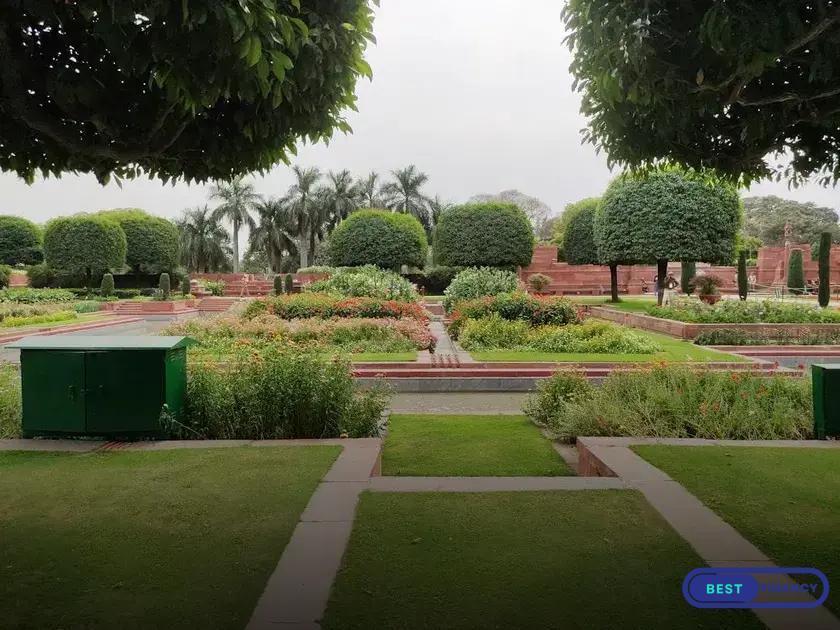
Are you eager to transform your home garden into a vibrant oasis? Knowing how to choose the right plants is key to creating a flourishing and beautiful environment. Start by assessing your garden space and understanding the specific requirements of different plant species. Consider both aesthetics and functionality to create a harmonious garden all year round.
Assessing Your Garden Space
Begin by examining the amount of natural light your garden space receives. This is crucial as different plants have specific light requirements. Take note of sunny spots and shaded areas within your garden to determine which plants will thrive.
Next, evaluate the soil type. Conduct a simple soil test to check its pH levels and texture. Most fruits and vegetables prefer rich, well-draining soil, while some can tolerate clay or sandy textures.
Consider the size of your garden. Smaller spaces might benefit from vertical gardening techniques, using trellises or hanging pots to make the most of limited area.
Plan for
water accessibility
. Ensure there’s an easy way to reach your plants with a hose or watering can, especially in drier months. Understanding the water needs of potential plant selections will aid in efficient garden planning.
Note the climate and microclimates within your garden. Observe how temperature and wind patterns might affect certain sections. Utilize these microclimates for plants that prefer specific conditions, like wind-tolerant shrubs in breezy spots.
Think about the right garden layout. Create paths, section off vegetable patches, and consider how both function and aesthetics will impact plant placement and ecosystem health.
Understanding Plant Requirements
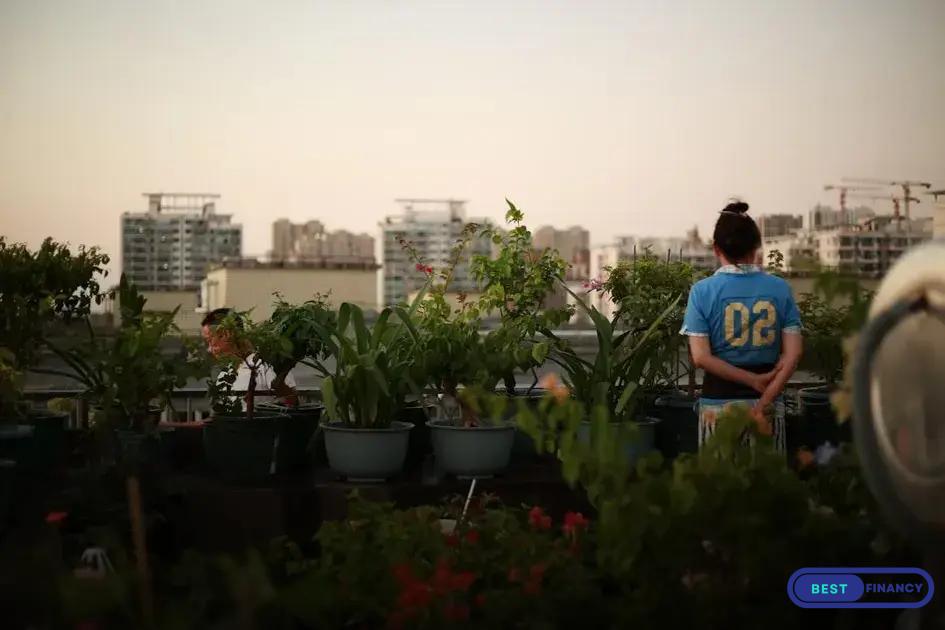
Understanding the specific needs of your plants is crucial for a thriving home garden. Each plant has unique growing requirements, including light, water, and soil preferences. Knowing these requirements helps ensure that each plant gets the right environment to thrive.
Light requirements can vary widely among plants. Some plants need full sun, which is typically considered to be at least six hours of direct sunlight per day. Others might prosper in partial shade, receiving only a few hours of morning or late afternoon sun. Then there are those that prefer the coolness of full shade, thriving with very little direct sunlight.
Watering needs are another critical factor. Drought-tolerant plants such as succulents may require less frequent watering, whereas water-loving plants like ferns might need consistently moist soil. It’s essential to understand the balance your plants need to prevent overwatering or underwatering.
Soil quality is fundamental for plant health. While some plants are adaptable to a variety of soil types, many have specific needs. Some might need fertile, well-drained soil, while others do well in clay or sandy soils. Ensuring your plants have the correct soil pH is also crucial, as this affects nutrient availability.
The key is to match your plants’ needs to the conditions available in your garden. This understanding will lead to healthier plants and a more successful garden. It’s also vital to regularly monitor how your plants respond to their environment, adjusting care as needed to meet seasonal and developmental changes.
Choosing Plants for Every Season
When selecting plants for every season, it’s vital to understand the seasonal variations and how plants will react to changes in temperature and daylight. Start by studying your local climate zone and identifying which plants thrive naturally in each season. This simple step helps ensure a thriving garden year-round and minimizes the risk of damage from unexpected weather shifts.
For spring, pick bulbs like tulips and daffodils that bring vibrant colors after the cold winter months. These plants are excellent choices due to their resilience and adaptability to early season growth.
In the summer, consider drought-tolerant and sun-loving plants such as lavender and sunflowers. These plants not only bloom beautifully but also conserve water, maintaining their lushness in the heat.
During fall, the focus can shift to foliage. Plants like maples and ornamental grasses provide a stunning show of color as temperatures drop. These are key in maintaining an aesthetically pleasing garden as the days grow shorter.
In the winter, evergreens and holly are perfect choices. Their steadfast foliage and bright berries offer much-needed greenery and contrast against the dormant landscape.
This approach allows you to maximize the visual appeal of your garden while ensuring that you enjoy a lush, thriving environment regardless of the season. It’s critical to combine color, texture, and growth habits in your choices to develop a garden that truly reflects the vibrancy of the seasons.
Balancing Aesthetics and Functionality

When it comes to selecting plants for your home garden, achieving a perfect balance between aesthetics and functionality is crucial. Visual appeal can transform a garden into an oasis, while functionality ensures that the plants serve their intended purpose, be it providing shade, attracting pollinators, or producing food.
Considering color combinations and plant textures can enhance your garden’s visual appeal. Bright flowers can add a splash of color, whereas greenery can bring a soothing ambiance. Think about utilizing contrasting colors for vibrancy or harmony through similar shades for a calming effect.
Functionality revolves around how plants meet the needs of your garden environment. Native plants often require less maintenance and adjust well to local conditions. Aromatic herbs like basil or rosemary not only add a sensory experience to your garden but can also be useful in the kitchen. Additionally, edible plants contribute to sustainability and self-sufficiency, allowing you to enjoy fresh produce.
Let’s not overlook plant placement, which plays a significant role in both aesthetics and functionality. Taller plants can serve as natural privacy screens, while trailing plants might be used to soften the edges of pathways or containers. By layering plants of different heights, you create depth and can effectively manage sunlight within your garden.
The selection should reflect personal lifestyle and availability for maintenance. If you have limited time, low-maintenance plants would be preferable. Consider if you want a lively space that attracts wildlife or a serene setting for relaxation.
Top Mistakes to Avoid
Avoid Overcrowding – One of the most common mistakes people make is planting too many plants in a small space. Overcrowding can lead to competition for nutrients and sunlight, making it hard for plants to thrive. Space plants according to their recommended distances to ensure healthy growth.
Neglecting Soil Quality – Plants need fertile soil to grow well. Avoid planting in poor soil without improving it first. Test your soil and amend it with organic matter like compost for better structure and nutrients.
Wrong Plant Selection – Make sure to choose plants that are suitable for your specific climate and garden conditions. Placing plants that cannot withstand your seasonal weather will only lead to their demise. Research or seek guidance on plants that will flourish in your region.
Ignoring Sunlight Needs – Every plant has different sunlight requirements. Placing a shade-loving plant in full sun or a sun-loving plant in heavy shade can affect its health. Pay attention to these needs.
Skipping Maintenance – Regular maintenance is crucial. Neglecting tasks such as weeding, watering, and pruning can reduce plant vitality. Establish a maintenance routine to prevent any oversight.
Choosing Aesthetic Over Functionality – While it’s important that your garden looks beautiful, functionality should not be overlooked. Select plants that will not only beautify but also serve a purpose, be it providing shade, food, or attracting pollinators.

 Hosting a Garden Party: Decorate Naturally with Ease
 Outdoor Lighting Ideas to Highlight Your Garden at Night
 Incorporating Water Features: Transform Your Garden Oasis