
Starting a garden is an exciting endeavor, but even the most enthusiastic beginners can make common gardening mistakes. By understanding typical pitfalls like overwatering or choosing unsuitable plants, you’ll be better prepared to nurture a flourishing garden. Throughout this guide, we’ll cover essential tips to ensure your gardening efforts are successful, including the importance of soil quality and timely planting.
1. Overwatering Your Plants
Watering is crucial for plant health, but it’s important to avoid overwatering. When plants receive too much water, their roots can’t breathe, leading to root rot. Waterlogged soil also promotes fungal diseases.
To identify if you’re overwatering, check the leaves. Yellowing, wilting, or mushy stems can be signs of excessive moisture. Additionally, inspect the soil before adding more water. Insert your finger into the soil up to 2 inches. If it feels damp, hold off from watering.
Well-draining soil helps prevent overwatering. Consider using pots with drainage holes to allow excess water to escape. Adjust your watering schedule according to the plant’s needs and the climate. During hot months, plants may need more water, while cooler months require less.
Rainwater or distilled water might be a better choice than tap water for sensitive plants. Ensure your watering techniques are adequate, aiming for deep rather than frequent watering. This encourages roots to grow deeper, making plants more resilient.
2. Ignoring Soil Quality
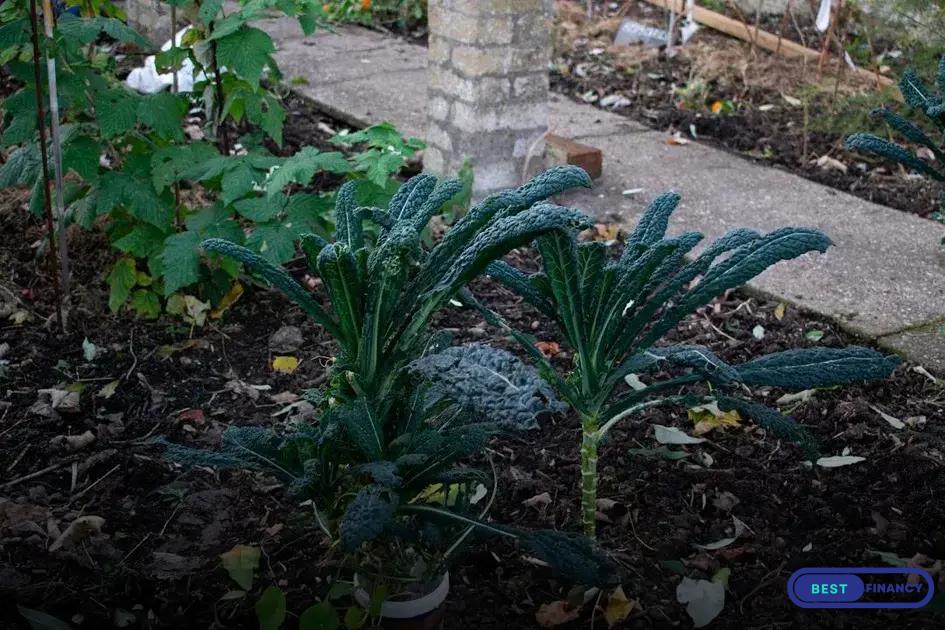
One of the most overlooked aspects in gardening is the importance of soil quality. Soil health plays a crucial role in plant growth and productivity. Many beginners make the mistake of assuming that any patch of land will suffice for their gardening needs, but this couldn’t be further from the truth.
Soil composition is vital and varies from region to region. It is essential to test the soil before planting. Soil tests can reveal important information like pH levels, nutrient content, and any deficiencies. A basic soil test can guide you in making necessary amendments to create a thriving environment for your plants.
Adding organic matter such as compost or well-rotted manure can significantly improve soil structure and fertility. This practice aids in water retention and provides essential nutrients, creating a healthy habitat for microorganisms that help in plant growth.
Furthermore, many beginners ignore the benefits of mulching. Mulch can conserve soil moisture, suppress weeds, and maintain an even soil temperature. It enriches the soil as it breaks down, further contributing to soil quality over time.
Understanding and respecting the natural ecosystem of your garden is crucial. Plants depend heavily on the quality of soil in which they grow, and investing time and resources into improving the soil will yield healthier and more productive plants. Neglecting soil health can lead to poor plant performance, making it a fundamental mistake for novices to avoid.
3. Choosing the Wrong Plants
Many beginners make the mistake of choosing plants that are not suited to their environment or skill level. Selecting the right plants is crucial for a thriving garden. It’s essential to understand your climate zone and choose plants that can survive the specific conditions of your area. Check hardiness zones to find plants that will flourish in your region.
Research is key when selecting plants. Know the plants that suit the amount of sunlight your garden receives and your local water availability. For example, if your garden area is mostly shaded, choose shade-tolerant plants to avoid disappointment.
Consider the maintenance level required for different plants. Some plants may need frequent watering or pruning, while others can be neglected for longer periods. As a beginner, start with low-maintenance plants to build your confidence.
Always think about the plant’s maturity size. Planning appropriately ensures that your garden doesn’t become overcrowded or overshadowed. It’s better to space plants adequately and allow room for growth.
Finally, pay attention to the compatibility of plants. Certain plants may not grow well together due to competition for resources or varying care needs. Choosing compatible plants can lead to a harmonious garden environment.
4. Planting at the Wrong Time
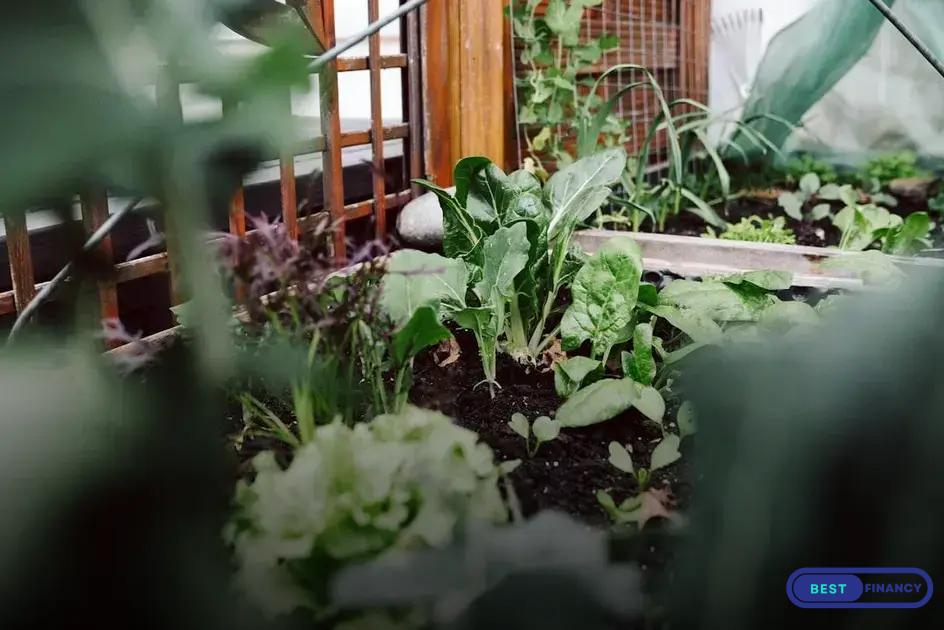
Timing is key when it comes to successful gardening. Planting at the wrong time can lead to a host of problems. Different plants have specific growing seasons, and understanding these can make all the difference in your garden’s success. For instance, planting cool-season crops like lettuce or spinach in the heat of summer can cause them to bolt and go to seed too quickly. The same goes for warm-season crops. If you plant tomatoes or peppers too early in spring, when the soil is still cold, they may not grow well or could even die from frost.
To avoid these issues, take the time to understand the last frost date in your region and the specific needs of your chosen plants. You can find this information readily in gardening books or online. Many plants are labeled with their ideal planting time on seed packets or plant tags. Follow these guidelines to ensure that you’re giving each plant the best possible chance to thrive.
Additionally, consider using a garden planner or calendar to map out when to plant each type of seed. This will help you stay organized and avoid the disappointment of crops failing to flourish due to poor timing. In summary, being mindful of planting times can save you both time and resources, leading to a more fruitful and enjoyable gardening experience.
5. Neglecting Regular Maintenance
Regular maintenance is crucial for a thriving garden. Without consistent care, your plants can suffer from various issues such as pest infestations and nutrient deficiencies. Simple tasks like weeding, pruning, and fertilizing should not be overlooked, as they contribute to the health of your plants. Make sure to regularly remove weeds, as they compete with your plants for nutrients and water.
Pruning is another important aspect of garden maintenance that helps to manage plant size and encourage healthy growth. It’s important to remove dead or diseased branches to prevent the spread of pests and diseases. Also, don’t forget to check for signs of pests and diseases periodically. Early detection can save your plants from significant damage.
Another key element is ensuring your plants receive the right amount of nutrients. Using the appropriate fertilizers according to your plants’ needs will support their growth. It’s beneficial to keep a schedule or journal of maintenance tasks to ensure nothing is missed and that your plants thrive throughout the growing season.

 Hosting a Garden Party: Decorate Naturally with Ease
 Outdoor Lighting Ideas to Highlight Your Garden at Night
 Incorporating Water Features: Transform Your Garden Oasis