
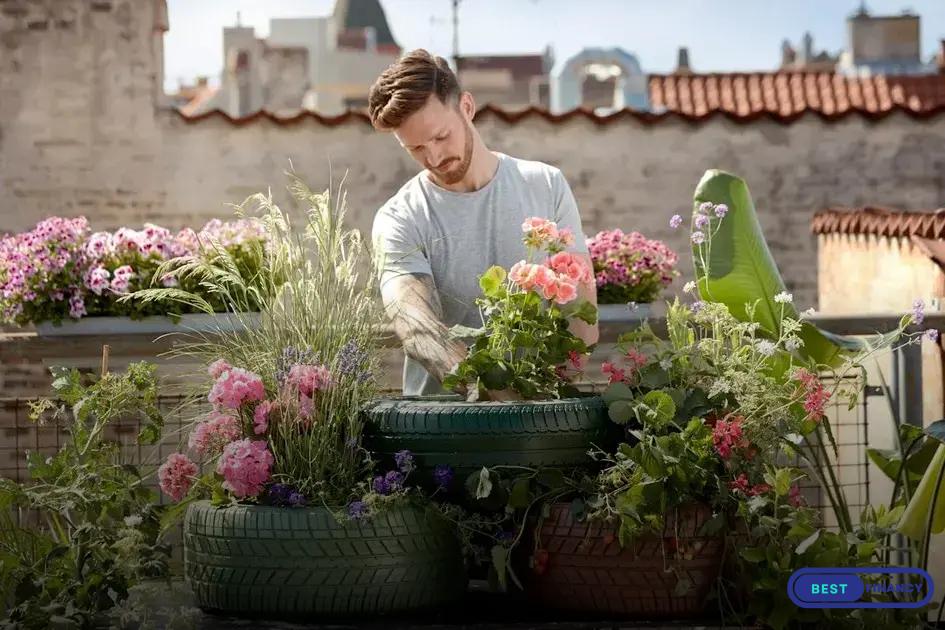
Gardening 101: A Beginner’s Guide to Growing Your Own Plants. Discover the joy of cultivating your own garden with our comprehensive guide tailored for beginners. You’ll learn the essentials of garden planning, selecting the right plants, and understanding soil and fertilizers. Dive into watering and maintenance tips to keep your garden thriving, and avoid common mistakes with our expert insights. Let’s embark on this green journey together!
Essentials of Garden Planning
Proper garden planning is the foundation for a successful plant journey. Start by identifying the area you want to use for your garden. Consider the amount of sunlight it receives, the space available, and whether you want an in-ground garden or raised beds.
Climate and Zone Considerations
Understand your local climate and plant hardiness zone. This determines which plants thrive in your area and the best times for planting. Mapping and Design Sketch a simple layout of your garden. This helps in efficiently utilizing space and ensuring that each plant has ample room to grow. Consider pathways for easy access and maintenance.
Companion Planting
Research which plants benefit each other when planted nearby. This can enhance growth, reduce pests, and optimize space. Make sure to plan for seasonal changes, leaving room for crop rotation to maintain soil health. Accessibility Think about accessibility for planting, watering, and harvesting. Raised beds or containers can be excellent for easier reach and mobility, particularly for those with limited flexibility. Planning these essentials can reduce labor and maximize enjoyment of your gardening experience.
Resources and Tools
Once your layout is established, prepare a list of necessary tools. Investing in quality tools like shovels, rakes, and trowels will ensure efficiency and safety. Additionally, consider installing water systems like drip irrigation for consistent moisture levels. Organizing these elements creates a strong foundation for a vibrant and sustainable garden.
Selecting the Right Plants

Selecting the right plants is crucial for every successful garden. Begin by assessing the climate in your area. Knowing whether you live in a tropical, temperate, or arid region will influence your plant choices. Check which plants thrive in your specific USDA hardiness zone, which is determined by the average minimum winter temperature in your region.
Next, consider the sunlight conditions in your garden. Some plants flourish in full sun, requiring at least six hours of direct sunlight per day, while others prefer the dappled shade. Observe your garden at different times of the day to identify areas that receive full sun, partial shade, or full shade.
It’s also important to think about the space available. If you have limited space, look for compact or dwarf varieties, or consider vertical gardening with climbing plants. When dealing with larger spaces, you have more flexibility to select a mix of trees, shrubs, and perennials.
Additionally, research the specific care requirements for each plant. Some may demand more water, while others need well-drained soil. Knowing these needs in advance will help in their successful maintenance.
Finally, evaluate your personal preferences. Choose plants that you find beautiful or provide produce you enjoy eating. Creating a garden that reflects your tastes will keep you motivated and excited about gardening.
Understanding Soil and Fertilizers
Types of Soil
When it comes to soil, there are several types you should be aware of: sandy, clay, and loamy. Sandy soil is gritty and drains water quickly, making it less suitable for plants that need moisture retention. Clay soil is denser and holds water well, but it can become compacted, which may inhibit root growth. Loamy soil is considered ideal for most plants as it retains moisture yet drains well.
Fertilizer Basics
Fertilizers add essential nutrients to your soil. There are two main types of fertilizers: organic and inorganic. Organic fertilizers, such as compost and manure, release nutrients slowly and improve soil structure. Inorganic fertilizers, often available in granular or liquid form, provide an immediate nutrient boost but don’t improve soil structure over time.
Nutrients Needed
Plants primarily need nitrogen (N), phosphorus (P), and potassium (K), often abbreviated as NPK. Nitrogen is crucial for leaf growth, phosphorus promotes root and fruit development, and potassium helps with overall plant health. Understanding the balance of these nutrients in your fertilizer is essential to meet the needs of your plants.
Testing and Adjusting Your Soil
Regular soil testing can provide valuable insights into nutrient levels and pH balance. Kits are available that allow you to easily determine what your soil lacks. Based on results, you can adjust with the appropriate type and amount of fertilizer. Additionally, adding organic matter can help balance pH and improve texture.
Conclusion
By understanding the types of soil and correct use of fertilizers, you can create a healthier environment for your plants to flourish in your gardening journey.
Watering and Maintenance Tips
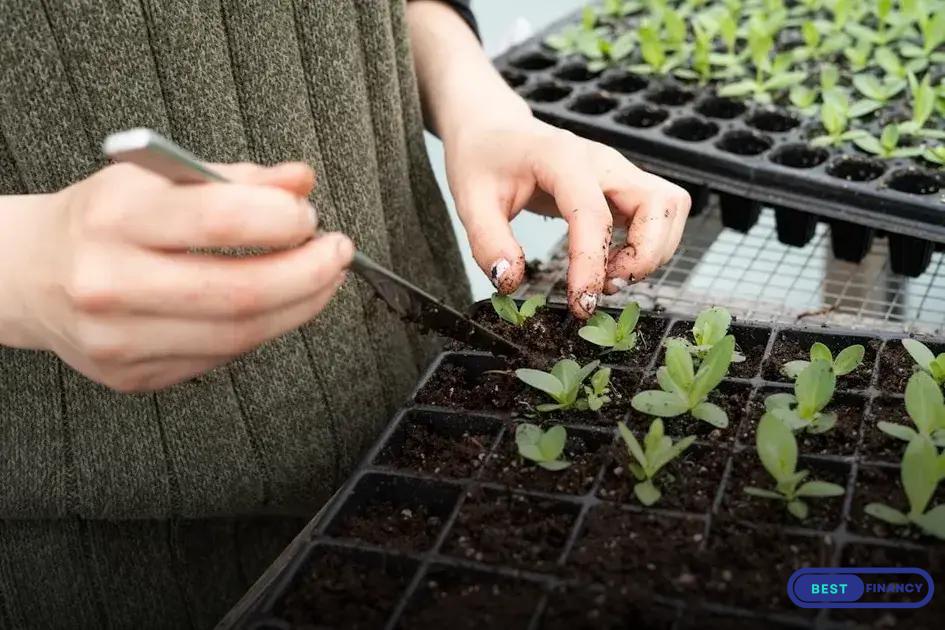
Proper watering is crucial for healthy plants. It can be tricky, as too much water can drown your plants while too little can leave them parched. One rule of thumb is to check the top inch of soil; if it’s dry, it’s time to water. Always water deeply but less frequently to encourage roots to grow deeper into the soil, which will make your plants more drought-tolerant.
Consider the specific needs of each plant, as some require more moisture than others. For instance, succulents need less frequent watering than tropical plants. Observing the color and texture of leaves can give clues—wilting leaves might mean plants are thirsty.
Maintenance goes beyond watering. Pruning is another key aspect; it encourages new growth and keeps your plants healthy and tidy. Remove any dead or diseased branches to prevent them from sapping energy.
Mulching can be beneficial, as it helps soil retain moisture and control weeds. It also adds a layer of protection against temperature extremes in the soil. Use organic materials like bark chips or straw that will also nourish the soil as they decompose.
Fertilization is also important, but always follow the recommended guidelines for feeding your specific plant type. Over-fertilizing can harm as much as under-fertilizing, so balance is key. Keep track of your plants’ progress to tweak maintenance routines as needed.
Finally, be vigilant about pest control. Regularly inspect plants for signs of insects or disease, and tackle any issues before they become serious. Integrated pest management can help control pests without the overuse of chemicals, keeping your garden healthier and more sustainable.
Common Gardening Mistakes to Avoid
Overwatering Plants
Many beginners think that more water equals healthier plants. However, overwatering can drown plant roots, leading to root rot and other issues. Ensure that your pots have drainage holes and check the soil moisture before watering. Your plants will thank you for a regulated watering schedule.
Ignoring Soil Quality
A common mistake is neglecting the importance of soil health. Rich, well-draining soil provides the nutrients plants need to grow robustly. Consider testing your soil’s pH and amending it with organic matter like compost to boost its fertility.
Planting at the Wrong Time
Timing is key in gardening. Planting seeds and seedlings at the wrong time can result in poor growth or failure to thrive. Research the best planting times for your specific plants and climate zone to ensure optimal development.
Overcrowding Plants
Planting too close together can lead to competition for nutrients, water, and sunlight. This can weaken your plants and make them more susceptible to disease. Follow spacing recommendations on seed packets or plant labels to give each plant room to grow.
Neglecting Pest Management
Overlooking pest control can result in significant damage to your garden. Learn to identify common pests in your area and use natural methods like introducing beneficial insects or using companion planting to keep pests at bay without resorting to harmful chemicals.
Skipping Garden Planning
A well-thought-out plan can prevent many common gardening pitfalls. Sketch your garden layout, taking into account plant heights, sun exposure, and water needs. This will help you create a harmonious and successful garden environment.
Not Rotating Crops
If you grow vegetables, avoid planting the same families of plants in the same spot each year. Crop rotation prevents soil depletion and reduces the risk of diseases that can harbor in the soil from one season to the next.

 Hosting a Garden Party: Decorate Naturally with Ease
 Outdoor Lighting Ideas to Highlight Your Garden at Night
 Incorporating Water Features: Transform Your Garden Oasis