
Struggling with weeds and pests can be frustrating for any lawn owner. Understanding how to effectively deal with these common problems is crucial for maintaining a healthy and beautiful lawn. From identifying persistent weeds to controlling damaging pests, this guide offers practical advice for every lawn enthusiast.
Identifying Common Lawn Weeds
Common lawn weeds can often disrupt the beauty of your lawn. Recognizing these weeds is the first step to managing them effectively. Some of the most prevalent weeds include dandelions, clover, and crabgrass. Dandelions are recognizable by their bright yellow flowers and deeply notched leaves. They thrive in lawns with thin turf.
Crabgrass
is another nuisance, appearing as a low-growing, wide-leafed grass. It tends to invade weak spots in the lawn. Early identification can prevent it from spreading. Clover is often noticed by its small, white flowers and leaflets grouped in threes. While some homeowners appreciate clover for its nitrogen-fixing abilities, it can outcompete grass if left unmanaged. Use hand-pulling or appropriate herbicides to manage these weeds effectively. Always follow instructions on any product to avoid damaging your lawn. Maintaining a healthy, dense lawn by regular mowing, watering, and fertilizing can also prevent weeds from taking root. Ensuring your soil has the right pH level further enhances grass health, making it less hospitable for weeds. Understanding these common invaders will help keep your lawn pristine and beautiful year-round.
Preventing and Controlling Lawn Pests
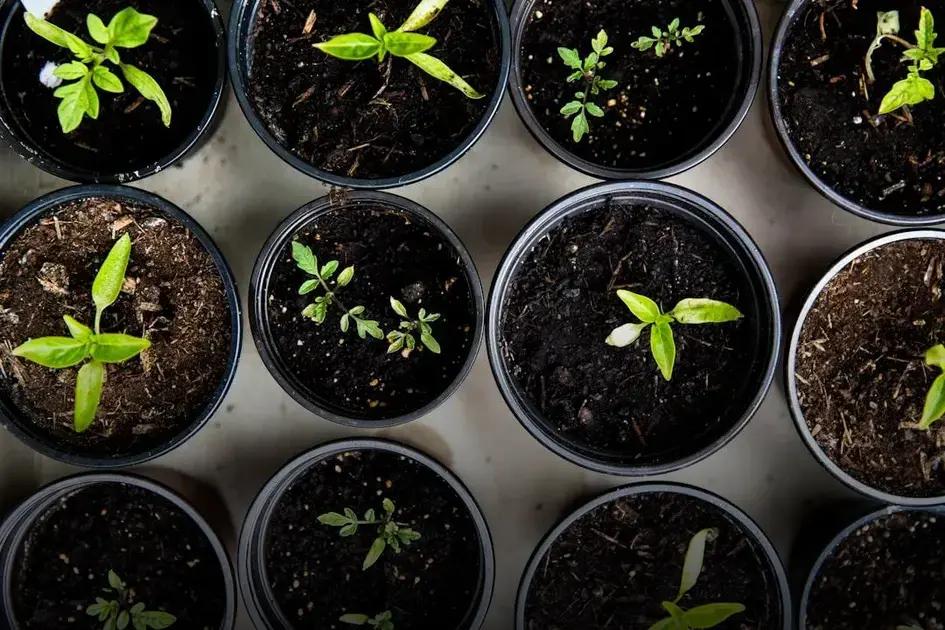
Preventing and Controlling Lawn Pests
Lawn pests can cause significant harm to your grass, affecting both its appearance and health. Understanding how to prevent and control these pests is crucial for maintaining a vibrant lawn. Here are some effective strategies:
- Frequent Inspection: Regularly inspect your lawn for signs of pest activity. Early detection can prevent severe infestations.
- Proper Lawn Care: Maintain a healthy lawn through proper mowing, watering, and fertilizing. A well-maintained lawn is less susceptible to pests.
- Natural Predators: Encourage natural predators like birds and beneficial insects. These can help manage pest populations naturally.
- Use of Neem Oil: Neem oil is an effective, eco-friendly solution for controlling a variety of lawn pests. Apply it as a preventative measure or treat existing problems.
- Avoid Overwatering: Overwatering can create a breeding ground for pests. Ensure your lawn has proper drainage and avoid excessive moisture.
- Biological Control: Consider introducing beneficial nematodes to your lawn. These microscopic organisms can effectively control grubs and other soil-dwelling pests.
Implementing these methods will help you keep your lawn pest-free and thriving.
Organic Lawn Care Solutions
For those looking to maintain a vibrant lawn without synthetic chemicals, organic lawn care solutions are the way to go. Choosing natural methods not only preserves the environment but also promotes healthier grass. Start with compost. Rich in nutrients, it improves soil structure and enhances microbial activity. Spreading a thin layer of compost over your lawn annually can result in greener, thicker grass.
Soil testing is another step crucial in organic lawn care. Testing reveals nutrient deficiencies and helps determine the need for amendments like lime or organic fertilizers. Applying these based on your soil’s needs encourages healthy, robust growth.
Next, consider natural weed control methods. Corn gluten meal, a byproduct of corn processing, can prevent seed germination if applied early in the spring. Planting a mix of different grass species also enhances lawn resilience, naturally crowding out weeds.
For pest management, embrace integrated pest management (IPM). This involves monitoring pest activity and introducing beneficial insects, such as ladybugs or nematodes, to manage unwanted pests. Alternatively, neem oil acts as a natural pesticide, disrupting the life cycle of many lawn pests.
Finally, water your lawn deeply but infrequently. This encourages deep root growth, making grass more drought-resistant. Avoid watering in the evening to reduce fungal diseases. Choose drought-resistant grass species and fertilize with organic matter to strengthen your lawn against stressors.
Tips for a Lush, Healthy Lawn
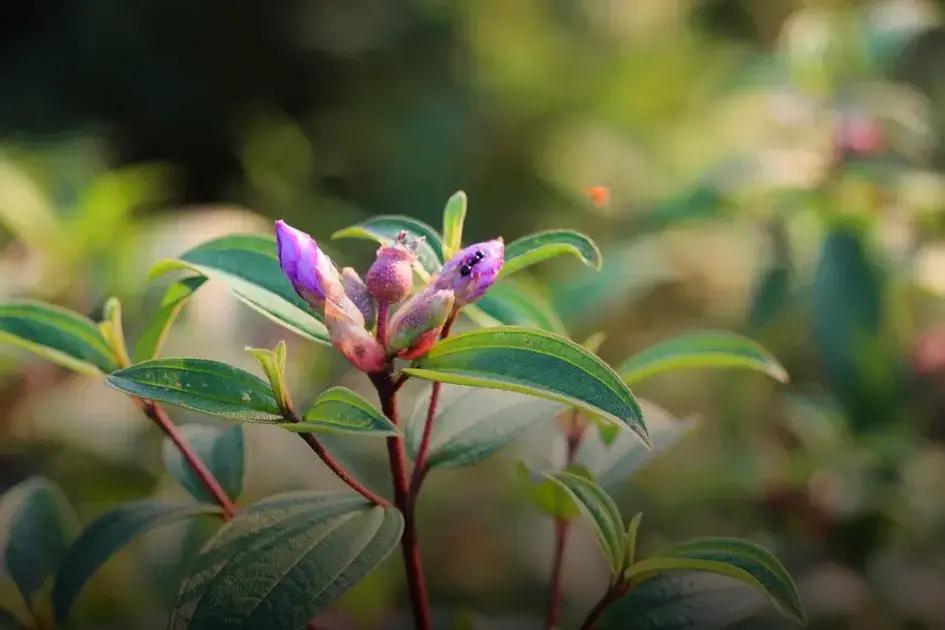
Tackling Lawn Weeds
Weeds are notorious for invading lawns and robbing grass of the nutrients it needs. To manage weeds, consistent lawn care is essential. Begin by correctly identifying the weeds, as different weeds require different treatments. Common weeds include dandelions, crabgrass, and clover. Aerating your lawn can help by improving soil structure and root development, making it less favorable for weeds.
Regular mowing and ensuring your lawn is at the optimal height can also discourage weed growth. Additionally, using pre-emergent herbicides in early spring can prevent weeds from taking root.
Combating Lawn Pests
Lawn pests like grubs and chinch bugs can damage grass, leading to unsightly patches. Monitoring your lawn can help you spot early signs. Consider implementing biological controls, such as introducing beneficial nematodes that target pests without harming the environment.
If chemical treatments are necessary, select those specifically designed for the pests you’re dealing with. Organic options, like neem oil, can also be effective and less harmful. Remember to follow the application instructions carefully to avoid unnecessary harm to your lawn.
Maintaining Lawn Health
A robust, healthy lawn can naturally fend off weeds and pests. Regular fertilization with balanced nutrients ensures strong grass growth. Water deeply but infrequently to encourage deep root systems, making grass more resistant to both drought and pests.
Encourage biodiversity by promoting natural pest predators, like birds and beneficial insects. This balance can help keep pest populations in check naturally. Pay attention to lawn aeration and overseeding to promote thick, lush turf that offers little room for weeds and pests to flourish.
Seasonal Lawn Maintenance Guide
Understanding how to care for your lawn throughout the year is key. Each season requires specific strategies to keep your lawn healthy and green. In spring, focus on cleaning up your yard. Remove dead leaves and debris to allow new grass to breathe and grow. Aerate the soil if it’s compacted from winter. This process helps improve root development and nutrient absorption.
During the summer, change your mowing habits to keep the grass blades longer, providing shade and reducing water loss. Water deeply but less frequently to encourage root growth.
In the fall, fertilize your lawn to prepare it for the coming cold months. Fertilization during this period ensures the grass has the necessary nutrients stored to survive winter.
Winter Care: When it turns cold, reduce lawn traffic to prevent soil compaction. Consider overseeding to keep the lawn thick and healthy once spring returns.
Following these seasonal tips helps create a rich, robust lawn that’s resilient and vibrant year-round.

 Hosting a Garden Party: Decorate Naturally with Ease
 Outdoor Lighting Ideas to Highlight Your Garden at Night
 Incorporating Water Features: Transform Your Garden Oasis