
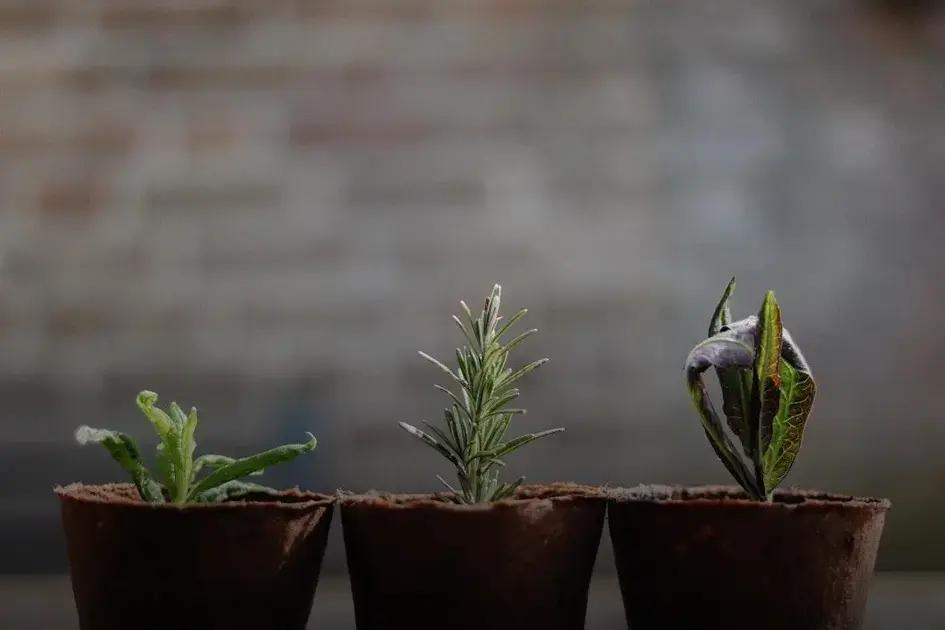
Pruning trees and shrubs regularly is essential for maintaining their health and aesthetics. Whether you’re a seasoned gardener or a novice, understanding the primary techniques can make a big difference in your gardening success. In this guide, we’ll explore the importance of pruning, the necessary tools, and step-by-step methods to ensure your plants thrive. Let’s dive into the world of pruning and discover the secrets to healthier plants.
Understanding the Importance of Pruning
Pruning is vital for maintaining the health and aesthetics of trees and shrubs. By removing dead or diseased branches, pruning encourages new growth and helps prevent decay. Regular pruning also enhances air circulation and sunlight penetration, promoting a healthier plant structure.
Pruning is not solely about cutting; it’s about understanding the specific needs of each plant. Different species have unique growth patterns and requirements. Knowing when and how to prune can significantly impact their vitality and fruitfulness.
Another significant advantage of pruning is controlling the plant size and shape. This is particularly important in urban settings where space is limited. Pruning helps keep the plant within desirable boundaries, ensuring it doesn’t become too large or unmanageable.
Furthermore, pruning plays a critical role in safety. Overgrown branches can pose a risk in storms, potentially damaging property or power lines. Strategic pruning reduces these hazards, contributing to a safer environment.
Specific pruning can also benefit flowering and fruiting plants. By selectively removing certain areas, you can enhance blooms and improve the quality of fruit, maximizing the plant’s production potential.
Understanding these core principles of pruning will set you up for success in maintaining beautiful and healthy trees and shrubs in any landscape.
Tools You Need for Effective Pruning
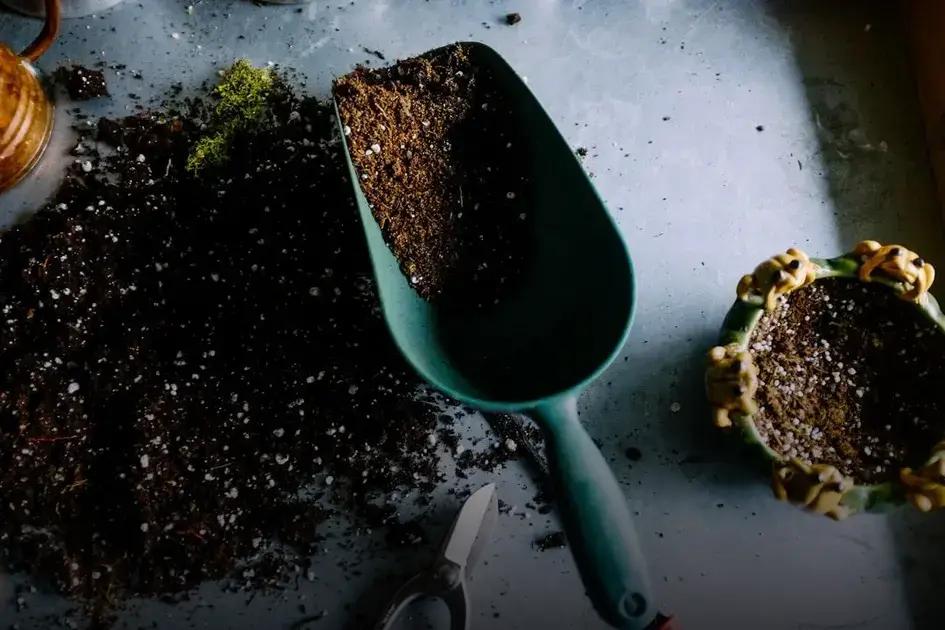
When pruning, it is vital to use the right tools to ensure clean cuts and efficient work. Here are some of the essential tools you’ll need:
- Pruning Shears: Ideal for cutting small branches and twigs. It’s crucial to invest in a pair with sharp blades and a comfortable grip to avoid strain.
- Loppers: For thicker branches, loppers provide the leverage needed. Opt for those with extendable handles to increase your reach.
- Pruning Saw: A must for larger limbs. Ensure you select a saw with a curved blade for more effective cutting through thick branches.
- Gloves: Protect your hands from thorny branches and provide a better grip. Choose durable, breathable materials for comfort during prolonged use.
- Sterilizing Solution: Use this to clean your tools before and after pruning to prevent the spread of diseases.
Proper maintenance of your tools is essential. Keep blades sharp and check for any damage before starting your pruning tasks. By using the right tools, you ensure healthier cuts, which contribute to the plant’s overall health and wellbeing.
Step-by-Step Pruning Techniques
To effectively prune trees and shrubs, it’s crucial to follow specific step-by-step pruning techniques that ensure plant health and growth. Start by identifying the branches that need to be removed. This typically includes any dead, damaged, or diseased branches, as well as those that cross or rub against each other, causing wounds and potential entry points for disease.
Use a clean, sharp pair of pruning shears for smaller branches and a pruning saw for larger ones. Make the cut at a slant, just above a bud that faces the desired direction of new growth. This encourages the plant to grow in a more open structure, improving air circulation and light penetration, both crucial for the plant’s vitality.
Pruning Techniques to Remember
- Thinning: Remove entire branches to reduce density.
- Heading: Cut back to a bud to encourage bushier growth.
- Topping: Cut the top of a tree for size control, though generally not recommended.
Regular pruning can also help in shaping the plant and maintaining its size. Keep in mind that some plants have specific pruning requirements. For example, prune fruit trees in late winter or early spring to stimulate growth and encourage fruit production. Each tree and shrub may have specific needs that your step-by-step approach should adapt to for optimal results.
Common Mistakes to Avoid in Pruning
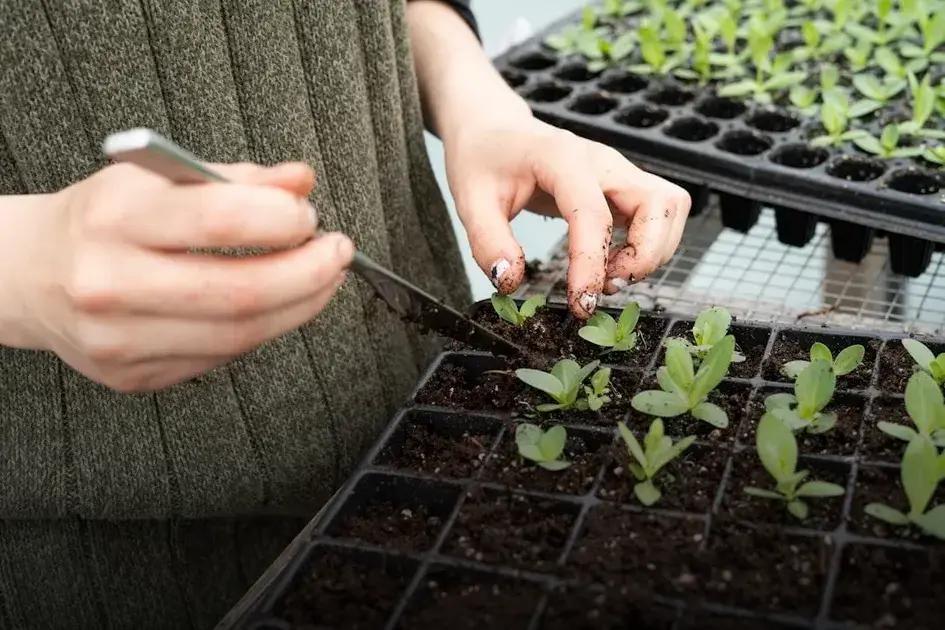
Avoiding common mistakes in pruning can significantly improve tree and shrub care. One frequent error is pruning at the wrong time. Different plants have specific times for optimal pruning—ensure you know when to prune each type.
Another mistake is cutting too much. Over-pruning leads to reduced growth and can harm the plant’s health. Always aim for a balanced look and remove only dead or diseased branches.
Using improper tools can cause damage and make cuts that do not heal well, resulting in disease. Invest in sharp and suitable tools for different branches and ensure they are clean.
Neglecting to plan is another issue. Take time to assess which branches need trimming and anticipate how the plant will grow over time. Planning ensures better results and healthier growth patterns.
Lastly, ignoring the plant’s structure and growth pattern can lead to awkward shapes and weakened plants. Ensure your cuts promote strong, natural growth lines by understanding the natural shape of the plant.
Seasonal Pruning Tips and Strategies
Proper pruning is essential to maintain the health and appearance of your trees and shrubs throughout the year. Different seasons provide unique advantages for pruning, and understanding these can significantly enhance your garden’s vitality.
Winter Pruning
Winter is often termed the best time to prune many trees and shrubs. During this season, plants are in their dormant stage, which minimizes stress. It also allows you to clearly see the structure of deciduous trees without the hindrance of leaves. Focus on removing dead or diseased branches. This encourages healthy growth when spring arrives. Trees such as maple, birch, and walnut should be pruned in late winter to prevent excessive sap flow.
Spring Pruning
As spring sets in, it is best to prune early-blooming trees and shrubs after their flowers fade. This ensures you enjoy the full floral display before cutting. However, be cautious, as pruning too early can cause sap loss and weaken plants.
Summer Pruning
Summer is ideal for controlling growth and shaping your plants. This season is suitable for cutting back excessive growth and is particularly beneficial for fruit trees. By trimming during summer, you help regulate size and improve sunlight penetration to the inner branches.
Fall Pruning
Fall pruning should be approached with caution. It’s generally not recommended to do extensive pruning during this time because the new growth that is spurred by pruning might not have enough time to harden before winter, which could lead to damage. Focus on removing weak, damaged, or dead branches.
Conclusion: Adapting your pruning efforts to seasonal changes not only optimizes plant health but also maximizes flower and fruit production. Each season provides opportunities to tackle different garden tasks, enhancing your overall gardening strategy.

 Hosting a Garden Party: Decorate Naturally with Ease
 Outdoor Lighting Ideas to Highlight Your Garden at Night
 Incorporating Water Features: Transform Your Garden Oasis