
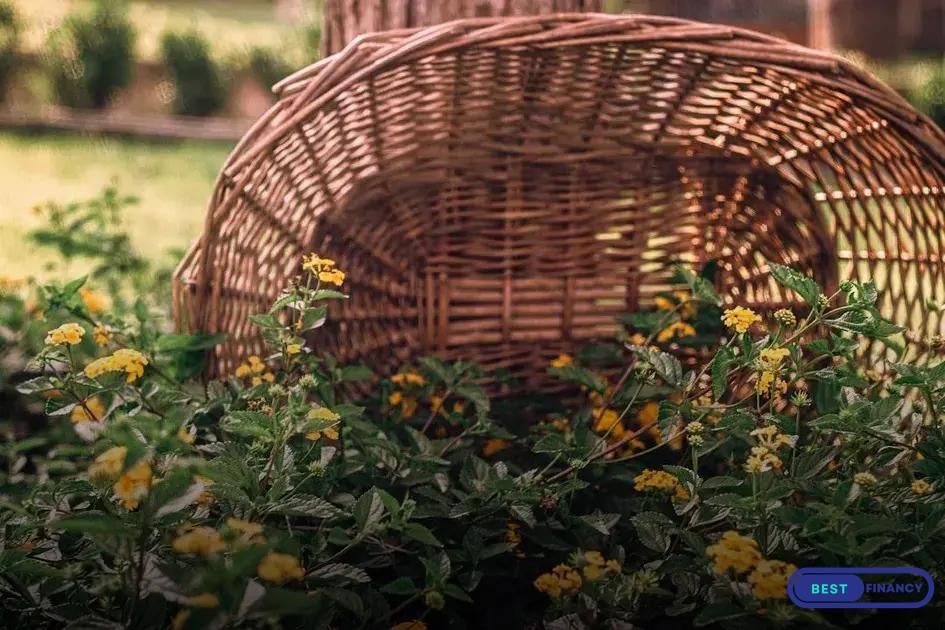
Attracting birds to your garden not only enhances its visual appeal but also promotes a healthy ecosystem. To achieve this, selecting the right plants is crucial. You will learn how native plants, seasonal selections, and specific flowering varieties can transform your garden into a bird paradise. Additionally, discover how shrubs and trees provide necessary shelter, and explore tips on maintaining a bird-friendly environment. With these guidelines, your garden will become a thriving sanctuary for avian visitors.
Choosing Native Plants for Bird Attraction
When selecting native plants to attract birds, it’s essential to consider both the plant variety and the type of birds you wish to invite to your garden. Native plants are best suited because they have evolved alongside local wildlife, providing food and shelter to native bird species. They tend to require less maintenance and fertilization, which is beneficial for a sustainable garden.
Berries and Fruits: Many birds are attracted to plants that produce berries or fruits. Consider planting Serviceberry, Dogwood, or Holly to offer a natural snack bar for your feathered friends. These plants are not only attractive but also provide vital nutrients for birds during various seasons.
Nectar-rich Flowers: Bird species like hummingbirds are attracted to nectar-rich blooms. Native choices such as Bee Balm and Columbine can lure these active birds, ensuring you have a diverse range of species visiting your garden.
The choice of plants should reflect the bird species prevalent in your area. Use local guidelines or contact local wildlife organizations to determine which flora will best support the regional avian population. This strategy not only enhances bird activity in your garden but also promotes biodiversity, creating a thriving and balanced ecosystem where birds can flourish.
Seasonal Plants to Consider for Year-Round Bird Visitors
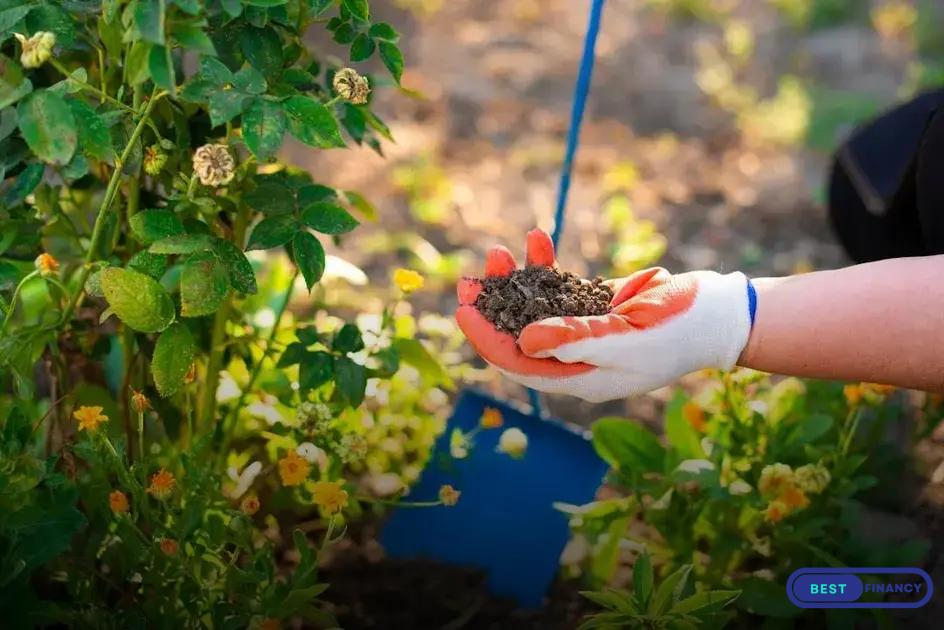
Choosing the right seasonal plants can transform your garden into a haven for birds throughout the year. By selecting plants that offer food and shelter during different seasons, you ensure a constant presence of our feathered friends.
In ❤spring❤, consider planting native wildflowers like Trillium and Columbine. These not only provide nectar but are also a hotspot for insects, which are essential food sources for birds during this vital breeding season.
As summer comes around, shrubs such as Serviceberry and Chokeberry produce berries that are adored by many bird species. These plants also offer shade and nesting sites during the warmer months, making your garden an ideal retreat.
When autumn arrives, deciduous trees like Maples and Oaks drop seeds and acorns that are a buffet for larger birds. These trees also attract smaller birds that feed on the insects living amongst the fallen leaves.
During the challenging ❤winter❤ months, evergreen trees and shrubs are crucial as they offer shelter against the cold. Plants like Holly and Pine provide berries and seeds, ensuring birds have access to food even when snow blankets the ground.
Incorporating a diverse array of these plants into your garden encourages year-round visitation by birds. By carefully planning and selecting your plants according to the seasons, you create a dynamic ecosystem that supports and attracts birds all year long.
How Flowering Plants Enhance Bird Activity
Flowering plants play a crucial role in enhancing bird activity in gardens. Birds are naturally attracted to vibrant colors and the nectar that many flowering plants provide. By including a diverse range of flowering plants in your garden, you can create a haven for different bird species.
Bright, colorful blooms serve as visual attractors for birds, guiding them to potential food sources. Nectar-rich flowers are particularly popular among hummingbirds and other nectar-feeding species. Plants such as columbines, trumpet vines, and salvias are excellent choices to increase bird visits.
Flowering plants also support insects, an essential part of many birds’ diets. For example, butterflies and caterpillars are drawn to flowers, providing a food source for insectivorous birds. Planting a variety of native flowering species ensures a balanced ecosystem, benefiting both birds and the plants themselves.
Moreover, flowering plants often seed, attracting seed-eating birds like finches and sparrows. These birds help with pollination and seed dispersal, creating a symbiotic relationship with the plants. Including a mix of annuals and perennials will keep the garden active year-round, continually drawing in bird life.
Finally, by strategically placing flowering plants throughout your garden, you create natural pathways and habitats. This arrangement provides birds with a continuous supply of food, shelter, and nesting areas, encouraging them to make your garden their home.
Creating Shelter: Shrubs and Trees for Birds
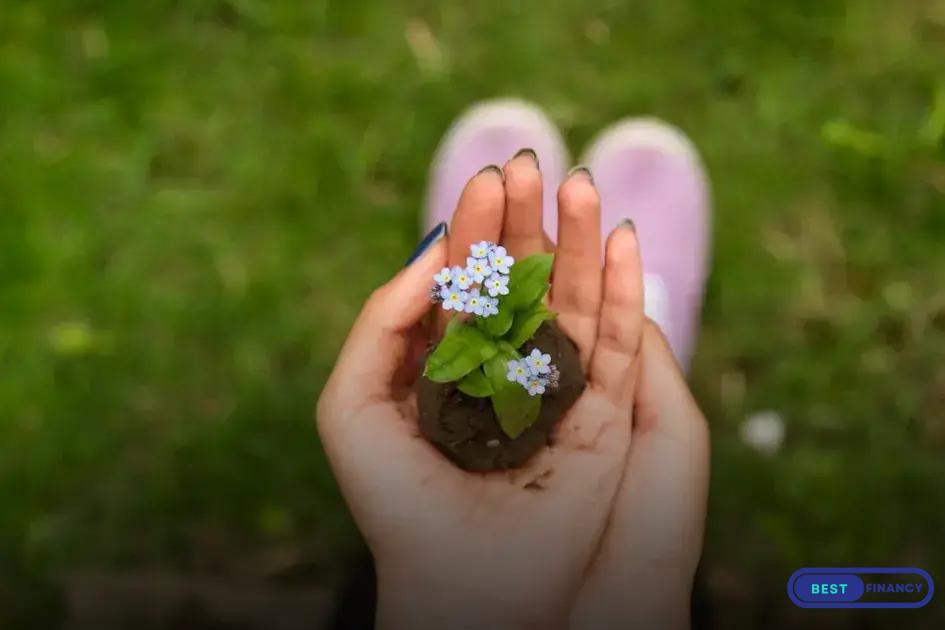
When it comes to providing shelter for birds in your garden, the role of shrubs and trees cannot be overstated. These plants not only offer a place for birds to nest but also serve as a refuge from predators and harsh weather conditions. To ensure a thriving bird habitat, consider planting a mix of both evergreen and deciduous trees and shrubs.
Tall trees like oaks and maples are excellent choices as they provide ample shelter and nesting opportunities for a variety of bird species. Meanwhile, smaller trees such as dogwoods or crabapples can supply both cover and food, thanks to their attractive fruits.
Among shrubs,
holly and berry bushes
such as blueberries and elderberries are particularly beneficial. Not only do they offer dense foliage which is ideal for nesting, but they also produce nourishing berries that attract birds during various seasons.
Additionally, consider integrating a variety of height and density in your plant choices to simulate natural forest layers. Understory shrubs like azaleas create hidden spots for smaller birds, while climbing plants like vines can augment the vertical space in your garden.
Ultimately, the strategic selection and placement of these trees and shrubs will craft a habitat that invites birds to rest, feed, and reproduce, transforming your garden into a lively ecosystem they will return to season after season.
Maintaining a Bird-Friendly Garden Environment
To maintain a bird-friendly garden environment, it is crucial to focus on sustainability. Start by avoiding the use of chemical pesticides and fertilizers, which can harm both birds and their food sources. Instead, opt for organic alternatives to manage pests and diseases.
Ensuring a consistent supply of fresh water is essential. Install a birdbath in a shady spot or create a small water feature such as a pond or dripper. This will not only attract birds for drinking but also for bathing, helping them keep their feathers clean.
Regular garden maintenance plays a significant role in promoting a healthy environment for birds. Prune trees and bushes to remove dead and overgrown branches, as this allows more light to reach different areas and provides safer perching spots for birds.
Foster Biodiversity
A diverse range of plants will attract a variety of insects, which are an important food source for many bird species. Encourage the growth of insect-friendly plants and leave parts of your garden a bit wild. This will provide natural habitats for insects, benefiting birds that rely on them for nutrition.
Another important aspect is to manage human activities in your garden. Keep cats and dogs under control, as they can pose a threat to bird populations. Additionally, consider placing feeders at safe distances from windows to prevent bird collisions and regularly clean these feeders to prevent disease transmission.
By paying attention to these elements, your garden will not only support the bird population but also thrive as an ecosystem itself, creating an ideal balance for all its inhabitants.

 Hosting a Garden Party: Decorate Naturally with Ease
 Outdoor Lighting Ideas to Highlight Your Garden at Night
 Incorporating Water Features: Transform Your Garden Oasis