
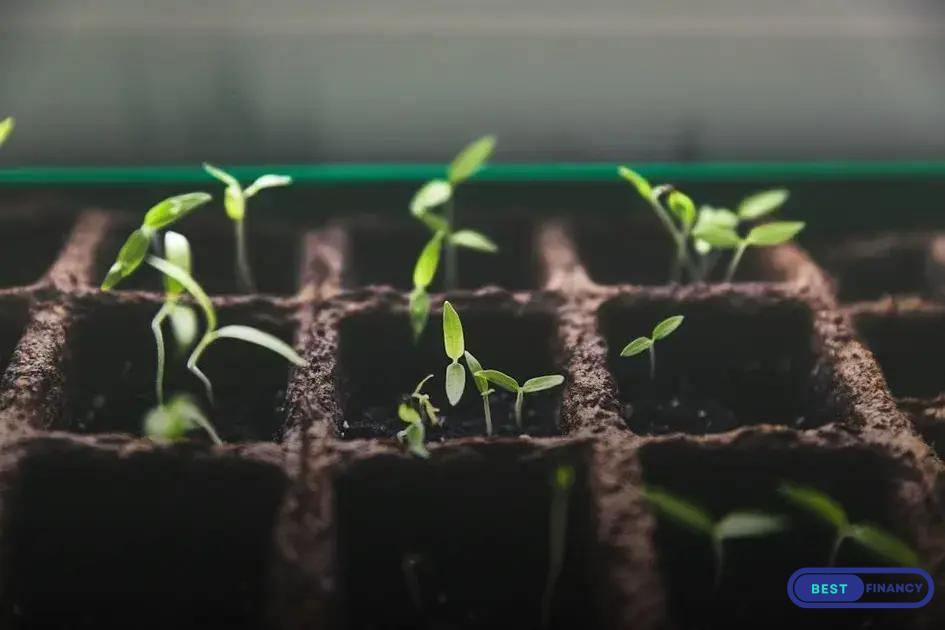
Organic gardening is a sustainable way to grow plants without the use of harmful chemicals. By embracing this method, you can produce healthier and more nutritious fruits and vegetables at home. In this guide, we’ll explore the basics, the benefits, and how you can create your own thriving organic garden. Our step-by-step approach will cover everything from essential tools to common pitfalls, ensuring that your garden flourishes without relying on synthetic substances. Whether you’re a seasoned gardener or a beginner, understanding organic gardening principles can transform your approach to cultivating plants.
Understanding the Basics of Organic Gardening
Organic gardening is a method that emphasizes growing plants without the use of synthetic chemicals or fertilizers. Instead, it relies on natural processes and inputs to create a healthy, balanced ecosystem.
Soil Health
At the core of organic gardening is soil health. Healthy soil is teeming with life, including bacteria, fungi, and tiny insects, that work together to break down organic matter and release nutrients. Composting is an excellent way to enrich soil naturally. It adds organic material that improves soil structure and fertility.
Natural Pest Control
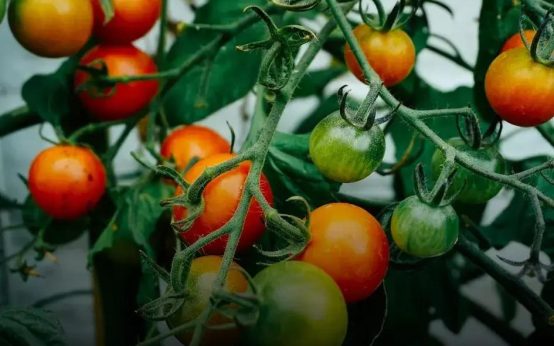
Organic gardening uses natural methods to manage pests. Instead of chemical pesticides, gardeners may use beneficial insects like ladybugs or employ companion planting, which involves growing plants together that help each other by repelling pests or attracting beneficial organisms. For instance, planting marigolds alongside tomatoes can deter pests.
Crop Rotation and Diversity
Diversity is key in organic gardening. Rotating crops prevents the buildup of pathogens and pests that prefer certain plants. This method improves soil health and reduces the need for chemical inputs. Growing a variety of plants also supports a wider range of insects and wildlife, contributing to a balanced ecosystem.
Water Conservation
Efficient water use is essential in organic gardens. Techniques such as mulch, drip irrigation, and rainwater collection help conserve water and ensure that plants receive adequate moisture without waste.
By focusing on these basics, you can start your journey into organic gardening, creating a garden that is not only productive but also environmentally friendly.
Benefits of Going Chemical-Free

Healthier Plants and Soil: When gardening without chemicals, nature takes the lead. Organic methods promote healthy soil, which in turn leads to robust, healthy plants. By avoiding harmful chemicals, you allow beneficial organisms such as earthworms and microbes to thrive, enhancing soil fertility.
Environmental Benefits: Reducing the use of synthetic chemicals protects the environment. Pesticides and fertilizers often find their way into nearby water sources, creating pollution. Organic gardening eliminates this risk, contributing to cleaner water and healthier wildlife habitats.
Support for Biodiversity: Organic gardens tend to have a richer biodiversity. Without chemicals to harm them, beneficial insects, birds, and other wildlife can flourish. They help control pest populations naturally, reducing the need for human intervention.
Improved Taste and Nutritional Value: Many gardeners and consumers believe that organic produce tastes better and has higher nutritional value than chemically grown vegetables and fruits. By letting plants grow naturally, they can develop their full flavor potential.
Cost-Effective Gardening: Although the initial setup for organic gardening might seem challenging, it can be more cost-effective in the long run. Natural composts and pest control methods often have little to no cost, compared to buying chemical fertilizers and pesticides regularly.
Personal Satisfaction: Growing a garden without chemicals isn’t just about the end product; it’s also about the process. Many find joy and fulfillment in learning how to cultivate their gardens using nature’s own methods. Tending to a garden knowing you’re enhancing its environment provides a rewarding experience.
Essential Tools and Supplies for Success
Organic gardening requires specific tools and supplies that will help you create a thriving, chemical-free environment for your plants. Let’s explore essential tools and supplies you need:
- Hand Trowel: A durable hand trowel is essential for planting and transplanting small plants and flowers. Ensure it’s comfortable to hold for prolonged use.
- Pruning Shears: Keep your garden healthy by regularly trimming overgrown plants. Invest in good quality pruning shears that cut cleanly and efficiently.
- Watering Can: When you’re cultivating your own garden, you need to water it effectively. Choose a watering can with a detachable showerhead for different watering needs.
- Compost Bin: Creating your own compost is a sustainable way to enrich your garden. A compost bin is essential to recycle household waste into nutrient-rich soil.
- Garden Hoe: An efficient tool for weeding and breaking up soil. Opt for a hoe designed for your garden type, whether it’s vegetable plots or flower beds.
- Garden Fork: Perfect for turning soil and aerating your garden, a garden fork will ensure your soil stays healthy and productive.
- Mulching Material: Use materials such as straw or wood chips to keep the soil moist and suppress weed growth around your plants.
- Organic Seeds: Start with high-quality organic seeds for better yields and less dependency on pesticides or fertilizers.
Equipped with these essential tools and supplies, you’re on your way to a successful organic gardening experience at home. Remember, the right tools can make all the difference in maintaining a flourishing garden.
Common Mistakes and How to Avoid Them
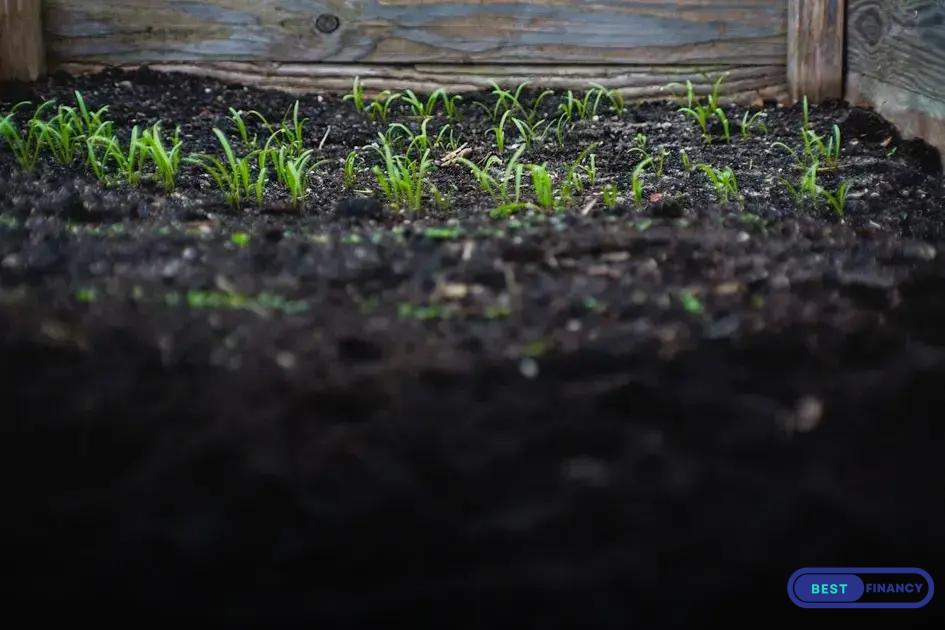
Mistakes can be common when embarking on the journey of organic gardening, but recognizing these pitfalls can set your garden up for success. One frequent error is overwatering. Although plants need water, providing too much can lead to root rot and other diseases. It’s essential to understand the specific water needs of each plant variety. Monitor moisture levels by checking the soil regularly.
Another Error: Ignoring Soil Quality
Failing to assess and improve soil quality is a frequent oversight. Healthy soil rich in organic matter is crucial for plant growth. Regularly test your soil to ensure the right pH levels and nutrient balance. Adding compost can enhance soil structure and fertility.
Avoiding Crop Rotation is another mistake that can lead to pest problems and nutrient depletion. By rotating crops yearly, you can disrupt pest cycles and improve soil health. Avoid planting the same species in the same spot each year.
Be cautious of improper spacing. Crowded plants compete for resources, leading to stunted growth and increased susceptibility to disease. Pay attention to spacing requirements and root depth for each type of plant.
Neglecting pest management is another common error. While avoiding chemicals is fundamental, implementing organic pest control methods like introducing beneficial insects, using insecticidal soaps, or establishing physical barriers can protect your garden effectively.
Finally, be patient. Organic gardening is a process that takes time. Avoid rushing or prematurely changing methods if growth doesn’t seem immediate. Each step contributes to your garden’s health and productivity over time.
Tips for Maintaining a Thriving Organic Garden
It’s vital to monitor the health of your organic garden regularly, ensuring plants receive the right amount of water and sunlight.
Proper Soil Maintenance
Start with rich, well-draining soil that’s full of nutrients. Compost is your best friend; it enriches the soil naturally and reduces the need for chemical fertilizers.
Water wisely. Use a soaker hose or drip irrigation system to reduce water wastage and minimize the risk of fungal diseases.
Companion Planting
Planting certain plants together, such as tomatoes with basil, can boost growth and repel pests. This reflects nature’s ecosystem where balance is key.
Control Weeds Naturally. Regularly mulch to keep weeds down. Organic mulch, like straw or wood chips, inhibits weed growth and retains soil moisture.
Pest Control
Handpick pests or use natural pest deterrents like neem oil or diatomaceous earth. Healthy plants naturally fend off diseases better.
Maintaining biodiversity is crucial. Wildlife can play a role in keeping your garden healthy. Attract pollinators like bees and beneficial insects to promote a balanced ecosystem.Rotate your crops seasonally to prevent nutrient loss and break pest cycles.

 Hosting a Garden Party: Decorate Naturally with Ease
 Outdoor Lighting Ideas to Highlight Your Garden at Night
 Incorporating Water Features: Transform Your Garden Oasis