
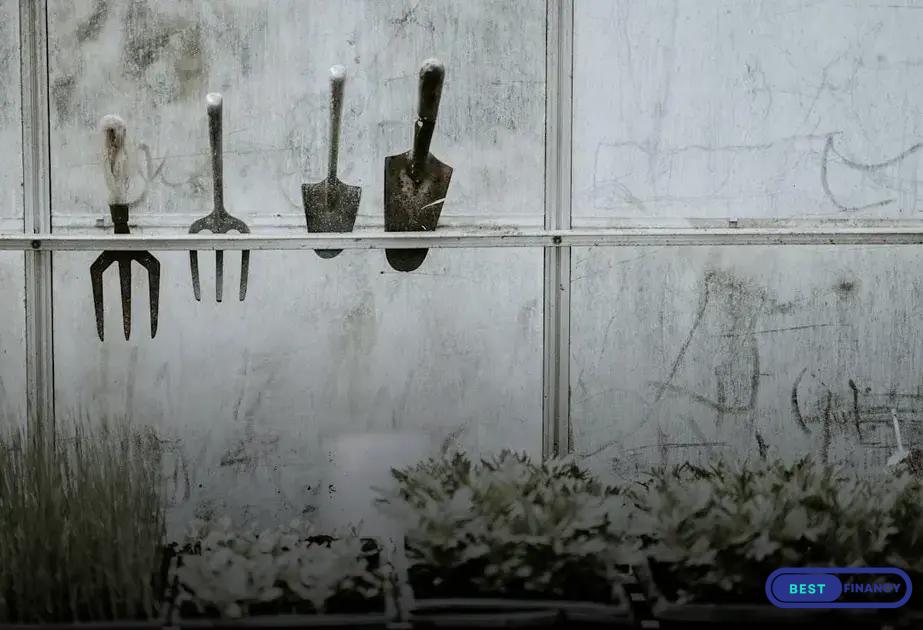
Pruning trees and shrubs is an essential practice to maintain the health and aesthetics of your garden. By understanding the right techniques and timing, you can ensure your plants thrive. Start by learning why pruning is crucial and the tools you need to get started. This guide will walk you through simple methods to avoid common mistakes. Let’s dig deeper into how you can effectively prune your trees and shrubs for a flourishing garden environment.
Why Pruning is Essential for Plant Health
Pruning plays a critical role in maintaining plant health and ensuring vigorous growth. By removing dead or diseased branches, you allow the plant to focus its energy on new growth and reduce the risk of spreading diseases. This practice helps in boosting flower and fruit production, ensuring better harvests.
Regular pruning encourages the growth of healthy shoots, promoting a stronger plant structure. It’s essential to remove crossing branches; this prevents abrasion damage and infections from rubbing. Additionally, exposing the center of the plant to light and air improves air circulation, reducing the chances of fungal diseases.
Fantastic pruning helps manage the size and shape of trees and shrubs, allowing them to fit better into your landscape. This control prevents overgrowth, which can lead to issues like blocking sunlight to other plants or preventing desirable air flow around the garden.
Furthermore, judicious pruning can train young plants to grow in the desired direction and shape, increasing their longevity and strength. This kind of attention ensures your garden remains visually appealing and healthy, benefiting both the plants and the overall ecosystem.
When is the Best Time to Prune?
Pruning at the right time is key to healthy growth and optimal flowering. Generally, the season you choose to prune can affect how well your plants respond. Knowing the growth and blooming cycles of each tree or shrub is essential.
For many plants, winter is the best time to prune. During the dormancy period, the trees are less vulnerable to diseases and pests. Plus, with bare branches, it’s easier to see the structure of the tree and decide which areas need attention. However, be mindful of overly drastic cuts that can stress the plant.
Spring-blooming shrubs like lilacs or forsythias should generally be pruned right after they flower. Pruning them in early spring might remove the flower buds, cutting down on blooms. Similarly, maples and birches may bleed sap if pruned too early in the spring.
For summer-blooming shrubs, late winter or early spring pruning is often beneficial. This timing promotes good new growth, resulting in a lush display of flowers. Roses, for instance, should not be pruned until they begin to bud out in spring.
In fall, avoid pruning as it can encourage new growth susceptible to winter damage. However, removing any damaged or diseased wood is always recommended, regardless of the season.
Each season influences how you should approach pruning, and knowing your plants’ needs can help you make the best decision for their care. Ensuring you’re pruning at optimal times encourages robust growth, protects against infestations, and boosts flower production.
Essential Tools for Effective Pruning
Having the right tools is essential for making clean, precise cuts when pruning your trees and shrubs. The first tool every gardener should have is a pair of bypass pruners. These are ideal for cutting smaller branches and allow for precise trimming that encourages healthy growth. For branches that are a bit thicker, you’ll need loppers. These provide extra leverage, making it easier to cut through without damaging the plant.
Another essential tool is a pruning saw for cutting through large, woody branches. The sharp teeth of a pruning saw can tackle those branches that pruners and loppers can’t handle. Pole pruners are vital for reaching higher branches safely and effectively without the need for a ladder.
Remember to keep all your tools sharp. Sharp tools reduce the risk of plant injury and ensure cleaner cuts that heal faster. It’s also important to clean your tools regularly to prevent the spread of disease between plants. With these tools on hand, you’re well-equipped to maintain healthy, beautiful plants.
Simple Pruning Techniques for Beginners
Pruning is an essential practice to maintain the health and aesthetics of your trees and shrubs. If you’re just starting, understanding some simple techniques can make the process less daunting. Here are a few basic methods to get you going:
-
Thinning
This technique involves removing entire branches back to their point of origin. It helps increase light and air penetration throughout the plant. Carefully choose branches that cross or rub against others and cut them cleanly with sharp tools.
-
Heading
Unlike thinning, heading focuses on trimming back a portion of a branch, usually removing only the tip. This stimulates growth in side shoots, helping you shape the plant the way you want. It’s ideal for shrubs needing denser foliage.
-
Pinching
Perfect for young plants or new growth, pinching involves using your fingers or a small tool to remove the tips of shoots. This simple action encourages the plant to focus on lateral growth, promoting a fuller appearance.
- Correct Cut Angles
When cutting branches, aim for a 45-degree angle. This allows water to run off the cut surface easily, reducing the risk of disease.
- Deadheading
Remove spent flowers to encourage more blooms. This method is particularly useful in flowering shrubs, directing energy towards new growth instead of seed production.
Using these techniques will help you prune effectively, ensuring your plants remain healthy and vibrant. Remember, practice makes perfect, and with time, you’ll be able to prune like a pro.
Mistakes to Avoid When Pruning
- Using Dull Tools: Always ensure your pruning tools are sharp. Dull tools can damage plant tissue, making it harder for the plant to heal properly. Invest in quality tools and keep them well-maintained.
- Ignoring Dead or Diseased Branches: It’s crucial to remove these branches first. They can harbor pests and diseases that might spread to healthy parts of the plant.
- Over-Pruning: While it’s important to remove excess branches, taking away too much can stress the plant and impede its growth. Usually, removing no more than 25% of the canopy is a safe guideline.
- Pruning at the Wrong Angles: Cut at a 45-degree angle, about a quarter-inch above a bud. This encourages sound regrowth and prevents water from accumulating on the cut, which can cause rot.
- Pruning at the Wrong Time: Be aware of the right time for each plant species. For example, prune before the growing season or after flowering, depending on the plant type.
- Ignoring the Structure: Maintain a balanced shape. Random or uneven cuts can result in a lopsided plant structure that might not only look unattractive but also affect the plant’s health.
By recognizing these common pitfalls, you can ensure your pruning efforts promote healthy growth and a more vibrant garden.

 Hosting a Garden Party: Decorate Naturally with Ease
 Outdoor Lighting Ideas to Highlight Your Garden at Night
 Incorporating Water Features: Transform Your Garden Oasis