
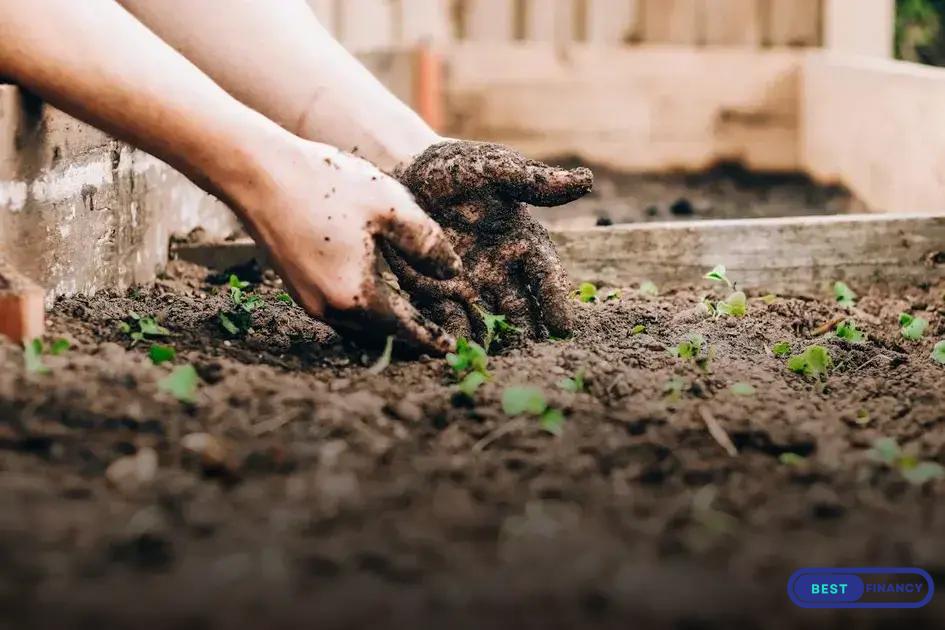
Looking to enhance your home with nature’s touch? Discover the best plants for indoor gardening & air purification. Not only do these plants improve air quality, but they also add beauty to any space. Whether you’re a seasoned gardener or a beginner, we’ll guide you through choosing, caring for, and maximizing the benefits of indoor plants.
Top Benefits of Indoor Plants
Indoor plants offer a variety of benefits that enhance both mental and physical health. They are known not only for their beauty but also for their ability to improve indoor air quality. Many plants can filter out harmful chemicals and toxins, making the air cleaner and fresher. This improvement in air quality can lead to better sleep, enhanced concentration, and overall wellbeing.
Additionally, indoor plants contribute to increased humidity levels, which can alleviate dry skin and improve respiratory functions. For those suffering from anxiety or stress, spending time around greenery has a calming effect, often reducing feelings of stress and boosting mood. The presence of plants can also boost creativity and productivity, making them great companions for home offices or study areas.
Plants such as peace lilies, snake plants, and spider plants are not only easy to care for but also excellent at purifying the air. They effectively remove toxins like formaldehyde and benzene, contributing to a healthier living environment.
Mental and Emotional Benefits
The connection to nature that indoor plants provide is invaluable, offering an escape from the hustle and bustle of everyday life. Caring for plants can be a therapeutic activity, helping to reduce blood pressure and feelings of depression. As a living component of room decor, they transform spaces into green, lively havens.
These green companions bring nature indoors, improving life quality by creating a fresher environment and nurturing a sense of calm and satisfaction. In addition to their air-purifying abilities, they enliven the home with their lush presence.
Choosing the Perfect Indoor Plant

When selecting the perfect indoor plant, consider the plant’s light requirements. Most indoor plants prefer indirect sunlight. South-facing windows work well for plants like Fiddle Leaf Fig or Pothos. Meanwhile, if you’re looking to adorn a dimmer room, consider low-light plants such as Snake Plant or Zamioculcas.
Consider the plant’s maintenance needs as well. Some plants, like Succulents, require less frequent watering and thrive on minimal care. In contrast, Peace Lilies need consistent moisture and higher humidity.
Size and Space Provision
Ensure to match your indoor plant with the available space. Large plants, like Monstera Deliciosa, can make a statement in expansive rooms. Smaller varieties such as Fittonia work perfectly for compact spaces.
It’s essential to choose plants based on their air-purifying qualities for improved indoor air quality. Plants like Spider Plant or Bamboo Palm are particularly effective at filtering pollutants, creating a healthier environment.
Lastly, consider any pet safety concerns. If you have pets, opt for non-toxic options like Boston Fern or Areca Palm, ensuring the safety of your furry friends.
Caring for Your Indoor Plants
Proper care is essential for healthy indoor plants, aiding in growth and longevity. To begin, ensure that you understand each plant’s specific needs, as different species require varying levels of sunlight, water, and temperature. Monitor the light conditions in your space, as some plants thrive in bright, indirect light while others prefer low-light environments.
Watering is a critical aspect, and overwatering is a common mistake. Feel the soil’s top inch; if it’s dry, it’s time to water. Use pots with drainage holes to prevent waterlogged roots, and consider a schedule or timer to maintain consistency.
Humidity levels are equally important, especially for tropical plants. Increase humidity by placing a tray of water near your plants or using a humidifier. Grouping plants together also helps raise moisture levels in the air.
Regularly fertilize your indoor plants to provide essential nutrients. Use a balanced, all-purpose fertilizer monthly during the growing season. Always follow the instructions to avoid over-fertilization.
Don’t forget to prune regularly. Removing dead leaves and stems encourages new growth and keeps plants looking tidy. For vining plants, consider trimming to control their size and shape.
Lastly, watch for pests such as aphids or spider mites. Remove them promptly with insecticidal soap or neem oil to prevent infestations from spreading. Healthy plants are less susceptible to pests, so maintaining overall plant health is your first line of defense.
Common Mistakes in Indoor Gardening

When diving into the world of indoor gardening, it’s easy to make some common mistakes that can hinder the health and growth of your plants. Recognizing and avoiding these pitfalls can significantly enhance your gardening success.
Overwatering
One of the most frequent mistakes is overwatering. Plants need water, but too much can lead to root rot and other issues. Ensure that the pots have proper drainage and always check if the topsoil is dry before watering again.
Incorrect Lighting
Plants have specific light requirements, and not providing the correct amount can stunt their growth. Be mindful of where you place them — near windows for plants that love sunlight, or in shaded areas for those that thrive in indirect light.
Poor Soil Choice
Another common error is opting for poor soil. Indoor plants often require a specific type of soil mix that provides adequate nutrients and drainage. Use soil that suits the plant species you are cultivating.
Neglecting Humidity Levels
Indoor environments can be quite dry, especially with heating systems running. Many indoor plants, especially tropical ones, need a certain level of humidity. Consider using a humidifier or misting your plants to maintain appropriate moisture levels in the air.
Ignoring Pests
Even indoor plants can attract pests like aphids and spider mites. Regularly check your plants for signs of infestation and treat them promptly with suitable methods to keep them healthy.
Remember that understanding these common mistakes and taking proactive steps can greatly enhance the well-being and beauty of your indoor garden. Cultivate with care, and your indoor space will flourish with life and purity.
Top Air-Purifying Plants
Indoor plants not only add beauty to your space but also help in purifying the air, improving the quality of life inside your home. Here are some top air-purifying plants that you might consider for your indoor garden:
1. Spider Plant (Chlorophytum comosum)
The Spider Plant is incredibly adaptable and can thrive in low light and less water. Its ability to remove toxins like formaldehyde and xylene from the air makes it an excellent choice for indoor spaces.
2. Snake Plant (Sansevieria trifasciata)
Known for its hardiness, the Snake Plant requires minimal care. It produces oxygen at night, making it perfect for bedrooms. It also filters indoor air pollutants like benzene and formaldehyde.
3. Peace Lily (Spathiphyllum)
Peace Lilies are not only elegant but also effective in removing ammonia, benzene, and other toxins. They prefer shaded areas and need little water to flourish.
4. Boston Fern (Nephrolepis exaltata)
This plant is excellent for adding humidity to the air and removing pollutants. It’s best suited for cool, humid environments with indirect light.
5. Aloe Vera
Besides its healing properties, Aloe Vera can clean the air of toxins like formaldehyde. It thrives in sunny spots and requires minimal watering.
Integrating these plants into your home can significantly enhance air quality while adding a touch of greenery to your surroundings.

 Hosting a Garden Party: Decorate Naturally with Ease
 Outdoor Lighting Ideas to Highlight Your Garden at Night
 Incorporating Water Features: Transform Your Garden Oasis