

Creating a vertical garden is an innovative way to maximize your small space while embracing nature. With the right plants, you can transform any limited area into a lush sanctuary. Our guide will help you choose the best plants, gather the right materials, and build a thriving garden. Discover irrigation tips and creative layouts that suit your environment. Dive into the world of vertical gardening and enrich your life with greenery.
Choosing the Right Plants for Vertical Gardens
When selecting plants for your vertical garden, consider their growth habits and space usage. Dwarf and climbing varieties are perfect for vertical gardens due to their compact size and ability to spread upwards. This makes them ideal for maximizing limited space. Plants like herbs, succulents, and ferns are excellent options as they require minimal care and thrive in various lighting conditions. A good mix includes fast-growing plants such as peas or beans, which can quickly cover vertical spaces, adding lush green beauty.
Consider sun exposure when choosing your plants. If your garden space receives indirect light or partial shade, opt for plants like basil, mint, or philodendrons. For sunny areas, thymes, lavenders, and strawberries can be ideal, as they love basking in sunlight.
Additionally, think about water requirements and choose plants that have similar needs. This makes irrigation much easier and ensures all your plants thrive. Consider using an automatic irrigation system to ensure consistent watering, or group plants accordingly for more efficient manual watering.
Companion Planting
Implementing companion planting can help your garden thrive. Pair plants that naturally benefit each other. For instance, planting nasturtiums with your vegetables can deter pests, while marigolds can enhance growth in surrounding plants.
Analyze your local climate and seasonal changes to ensure plant selection aligns with conditions. This provides the best chance for long-term growth and sustainability, making your vertical garden a vibrant and lush feature in any limited space.
Materials and Tools You’ll Need
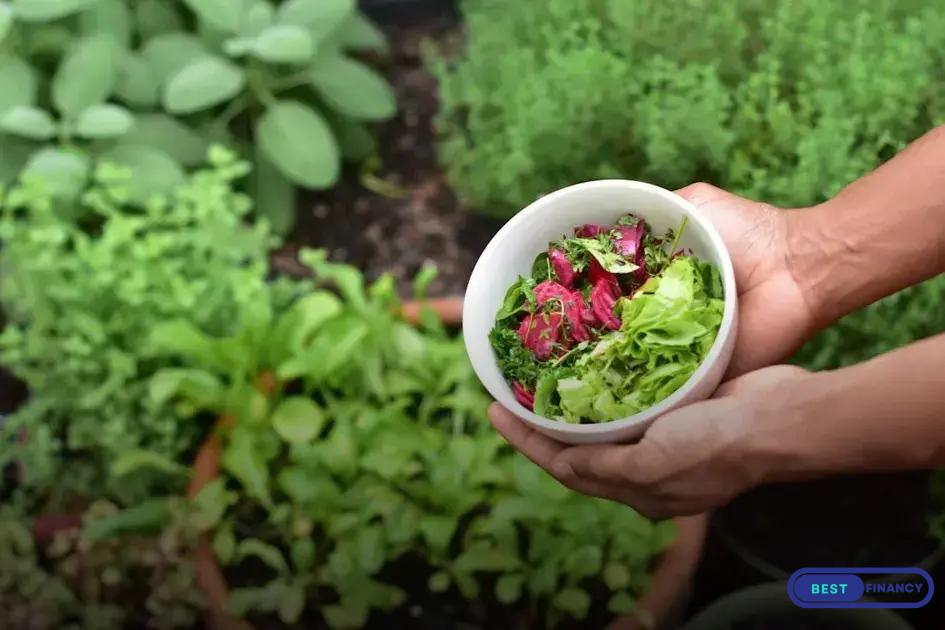
To create a functional and aesthetic vertical garden, having the right materials and tools is crucial. Begin with sturdy wooden pallets or metal frames to serve as the backbone of your vertical structure. Ensure they’re weather-resistant to withstand outdoor conditions.
You’ll also need potting soil, chosen specifically for the types of plants you intend to grow. Lightweight soil mixed with organic matter works best as it prevents overloading the structure. Consider using coco coir or peat moss for better moisture retention.
Gardening tools like trowels, pruning shears, and gloves are essential to handle the planting process safely and efficiently. For cutting and assembling the structure, a handsaw or electric drill equipped with appropriate bits will ease the process.
If your garden spot doesn’t receive enough rainfall, include a drip irrigation system or self-watering planter accessories to maintain plant health. These tools will help regulate water usage and are eco-friendly.
Don’t forget fasteners such as screws and nails, depending on the material of your frame, as they’re necessary for securing various parts of your garden. Weatherproof materials are highly recommended for longevity.
Lastly, invest in plant hangers or hooks to creatively arrange your plants, maximizing available vertical space effectively and aesthetically. Ensure they’re strong enough to hold the weight of your potted plants.
Step-by-step Guide to Building the Frame
Creating the frame for your vertical garden is a crucial step to ensure stability and adequate support for your plants. Here’s a detailed guide on how to build a sturdy frame:
- Select Your Base Material: Choose between wooden pallets, metal panels, or strong plastic grids. Each material has its advantages, but make sure it’s sturdy enough to hold the weight of your plants and soil.
- Measure Your Space: Carefully measure the area where you want to install your vertical garden. Ensure it aligns with the space available and consider how sunlight will reach this spot for optimal plant growth.
- Cut the Frame Sections: Using the measurements, cut the chosen materials into sections that will form the frame. If using wood, ensure the cuts are smooth to prevent splinters.
- Assemble the Frame: Connect the sections using screws or nails. For a wooden frame, hammer nails securely to keep the structure intact. If opting for metal, you might need a drill to fasten parts together.
- Check for Stability: Once assembled, test the frame by gently pushing it to ensure it’s solid. If there is any wobble, reinforce with additional screws or support brackets.
- Prepare for Mounting: Depending on your wall type, identify the best mounting points. Create anchor points using brackets or hooks drilled securely into the wall.
- Attach to the Wall: With a helper, lift the frame into position and secure it using the pre-installed wall mounts. Confirm it’s level before finalizing attachments to prevent any skewing over time.
- Check the Height: Ensure the height is optimal for easy reach, allowing convenient access for maintenance tasks such as watering and trimming.
Following these steps, you’ll have a solid foundation for your vertical garden. With a reliable frame, your plants can flourish vertically and maximize the use of your available space.
Irrigation and Maintenance Tips
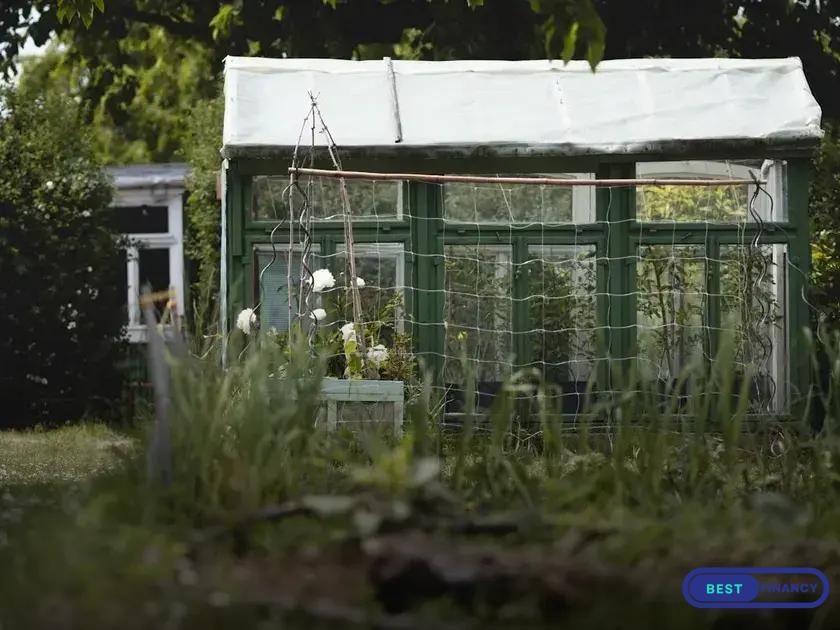
To ensure your vertical garden thrives, proper irrigation and maintenance are key. Irrigation plays a crucial role in keeping plants hydrated, especially in vertical gardens where soil can dry out faster due to gravity. Consider using a drip irrigation system. It’s efficient and can be set on a timer to deliver water directly to the roots, reducing waste and promoting healthy plant growth.
Avoid overwatering, as this can lead to root rot. Monitor the soil’s moisture level by feeling the top inch of soil. If it’s dry, it’s time to water. For potted plants, ensure adequate drainage by having holes at the bottom to prevent waterlogging.
Maintenance involves regular check-ups of your plants. Check for pests like aphids or spider mites, which can damage vertical gardens. Use natural remedies or biological controls, like ladybugs, to manage pest issues.
Pruning is essential to encourage new growth and maintain the shape of your plants. Regularly remove dead or yellowing leaves to promote a healthy appearance. Fertilize your plants every few months with a water-soluble fertilizer to keep them nutrient-rich.
Lastly, inspect your support structures, ensuring they remain secure and sturdy. This will prevent any accidents and keep your garden looking tidy. Remember, with the right care, your vertical garden can flourish beautifully in small spaces.
Maximizing Space with Creative Layouts
When maximizing space in small areas, creative layouts for your vertical garden are essential. Start by assessing the available space on your wall or balcony, and measure dimensions accurately. Consider using a combination of horizontal and vertical alignments to utilize space effectively.
One approach is to use staggered shelving or varied height containers. This method not only adds visual interest but also ensures that each plant receives adequate sunlight. Ensure to place larger and bushier plants at the bottom layers, while smaller, trailing plants fit well at the top or sides.
Additionally, using planters of different shapes, such as pockets, baskets, or pots, can further enhance space efficiency. Position planters in a way that they can be easily accessed for watering and maintenance, without the need to disturb other plants.
Another space-saving technique is to integrate a modular system. Modular systems allow you to add or rearrange components as your plant collection grows. They also offer the flexibility to swap out individual plants or planters, which can help in changing seasonal displays or house different plant types over time.
Experiment with using repurposed materials for your planters, such as wooden pallets or old ladders, to give your garden a unique aesthetic while being eco-friendly. This approach not only saves space but also reduces waste by recycling materials.

 Hosting a Garden Party: Decorate Naturally with Ease
 Outdoor Lighting Ideas to Highlight Your Garden at Night
 Incorporating Water Features: Transform Your Garden Oasis