
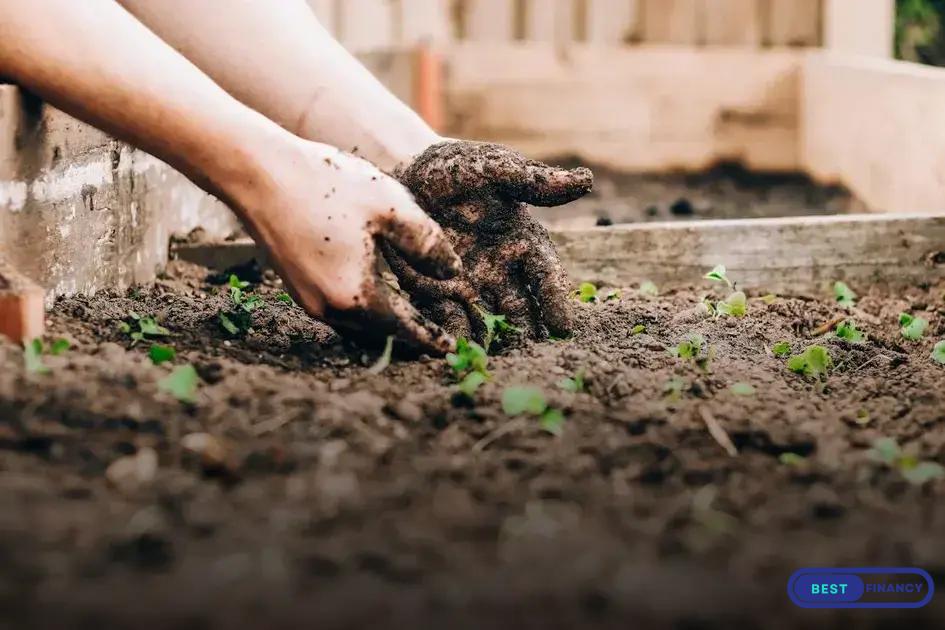
Discover the limitless possibilities of container gardening as you transform small spaces into vibrant landscapes. This guide explores essential tips and tricks to thriving plant life, even when a yard isn’t an option. Whether you’re a novice or seasoned gardener, these techniques will enrich your urban or rural living areas. Let’s dive into creative ways to nurture your garden with limited space and abundant imagination.
Choosing the Right Containers for Your Plants
Picking the right containers is crucial for successful container gardening. Consider the size of the container first. It should accommodate the plant’s root system and allow for growth. Larger plants like tomatoes or peppers require bigger containers, while herbs or smaller plants are fine with small pots.
Material Matters
Containers come in various materials such as plastic, clay, or wood. Plastic is lightweight and retains moisture well, perfect for outdoor conditions. On the other hand, clay pots offer breathability but dry out faster. Consider the pros and cons based on your environment and plant needs.
Drainage
Ensure your containers have proper drainage holes. This prevents water from pooling at the bottom, which can cause root rot. If necessary, drill additional holes or use potting mixes that promote drainage.
The choice of containers impacts not only the health of your plants but also the aesthetic of your gardening space. Opt for something that fits the style and theme of your garden.
Essential Tools and Materials
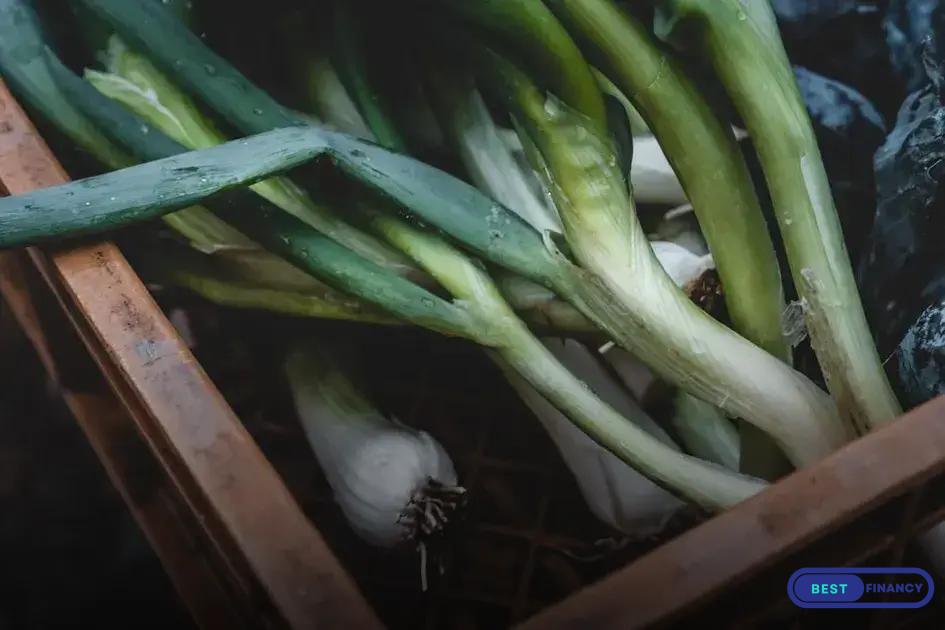
When you’re getting started with container gardening, having the right tools and materials is crucial for success. Let’s dive into the essentials that will make your gardening experience productive and enjoyable.
First, you’ll need a high-quality potting soil. Unlike garden soil, potting soil is specifically designed for containers, providing the necessary aeration and drainage. It’s important to look for potting mixes that include components like peat moss, perlite, or vermiculite.
Next up are the tools. A small hand trowel is indispensable for planting and transplanting your plants. This tool helps you dig and move soil around with ease. Pruning shears are also essential. They are perfect for trimming plants and removing dead or overgrown branches, ensuring your plants grow healthy and beautifully.
A sturdy watering can with a narrow spout will provide you with precision when watering your plants. This prevents water from spilling over the edge of your containers. Additionally, a plant mister can be very handy for plants that require high humidity levels.
Consider using fertilizer tailored for container plants. Since nutrients can wash away quickly in these environments, a good fertilizer will ensure your plants receive the nutrients they need to thrive. Fertilizers can be liquid or granular, and selecting the right type depends on your plants’ specific needs.
Lastly, a measuring tool, like a ruler or tape measure, will help you space your plants correctly. Adequate spacing is crucial to allow each plant enough room to grow without competing for resources.
Keeping these tools and materials on hand will set the foundation for a thriving and healthy container garden, allowing you to grow plants almost anywhere.
Selecting and Arranging Plants
When diving into container gardening, selecting the right plants is crucial for success. Focus on choosing plants that are not only visually appealing but also thrive in the conditions available to you. Consider factors such as light availability, temperature, and humidity. If your space is sunny, opt for sun-loving plants like succulents or herbs. For shadier areas, plants such as ferns and impatiens will do well.
Think about the size of the container in relation to the plant’s mature size. Small pots are great for herbs but larger trees and shrubs need more room to grow. Ensure that the plant’s root ball has adequate space, or it could lead to stunted growth.
Mixing Different Plants
Creating a dynamic arrangement involves mixing different plants. Use the ‘thriller, filler, and spiller’ technique. The thriller is a plant with height, the filler adds mass, and the spiller trails over the edge of the container. Examples include using spikes as thrillers, petunias as fillers, and ivy as spillers.
Don’t be afraid to experiment with colors, textures, and scents. Containers provide an excellent opportunity to be creative, and pairing contrasting elements can make a container garden pop.
Group plants with similar water and fertilizer needs. This ensures that care becomes more manageable and maximizes the growth potential of each plant.
Caring for Your Container Garden
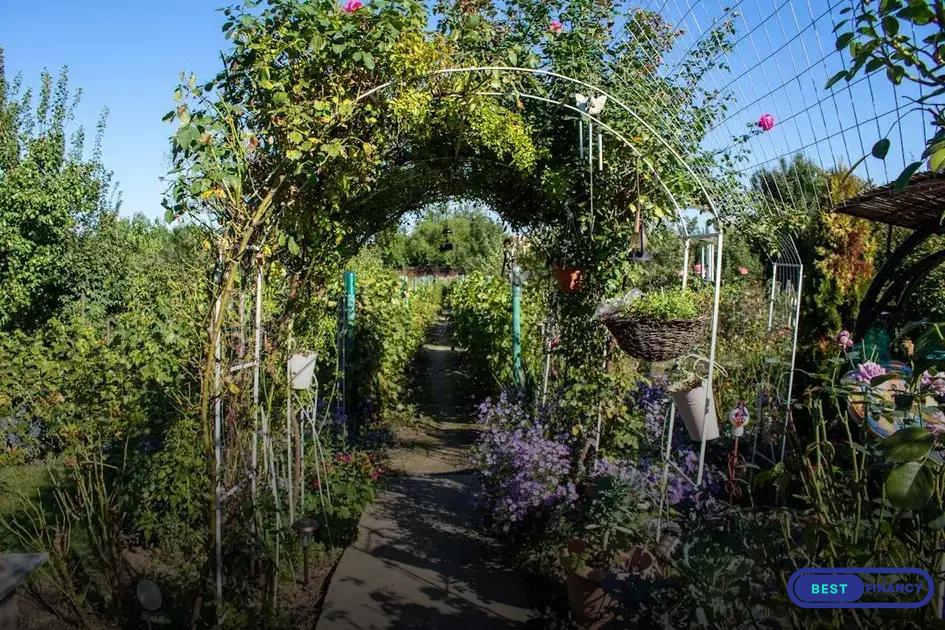
Caring for your container garden involves several important practices. Watering is crucial; unlike in-ground gardens, containers dry out faster. Check the soil regularly and water when it’s dry about an inch below the surface. Consistency is key, but be careful not to overwater and cause root rot.
Fertilizing is another essential aspect. Use a balanced liquid fertilizer every two to four weeks during the growing season. This provides the necessary nutrients because frequent watering can wash away nutrients from the soil.
Pruning and deadheading (removing spent flowers) keep your plants healthy and encourage new growth. Regularly inspect your garden and trim any dead or diseased foliage.
Pest management is simpler in containers, but vigilance is still required. Check your plants for signs of pests like aphids or spider mites. Consider natural remedies or insecticidal soap if needed.
Be aware of sunlight needs as different plants require varying light levels. Rotate containers periodically to ensure even light distribution and move them if necessary to optimize sun exposure.
Finally, protect your plants from intense heat or cold. In hot weather, provide shade if plants begin to wilt. During colder months, insulate pots or bring them indoors if possible.
Troubleshooting Common Container Gardening Issues
Gardening in containers offers flexibility but can present its own unique set of challenges. It’s important to remain observant and proactive to prevent and solve issues that may arise.
Soil Problems
One common issue in container gardening is the quality of the soil. Potting soil can lose nutrients over time, affecting plant health. To resolve this, refresh the soil annually or add organic matter like compost regularly.
Watering Challenges
Incorrect watering is another frequent problem. Overwatering can cause root rot, whereas underwatering leads to wilting. Check the soil moisture regularly to ensure optimal watering and consider containers with drainage holes.
Environmental Stress
Plants are susceptible to environmental stressors such as too much sun or wind. Move containers to a shaded area during intense heat or provide a windbreak to protect your plants.
Pest Management
Containers can attract pests like aphids or spider mites. Inspect your plants often and use natural remedies, such as neem oil or insecticidal soap, to manage infestations effectively.
Addressing these common issues promptly helps maintain a healthy and thriving container garden, ensuring that your plants flourish no matter the location.

 Hosting a Garden Party: Decorate Naturally with Ease
 Outdoor Lighting Ideas to Highlight Your Garden at Night
 Incorporating Water Features: Transform Your Garden Oasis