
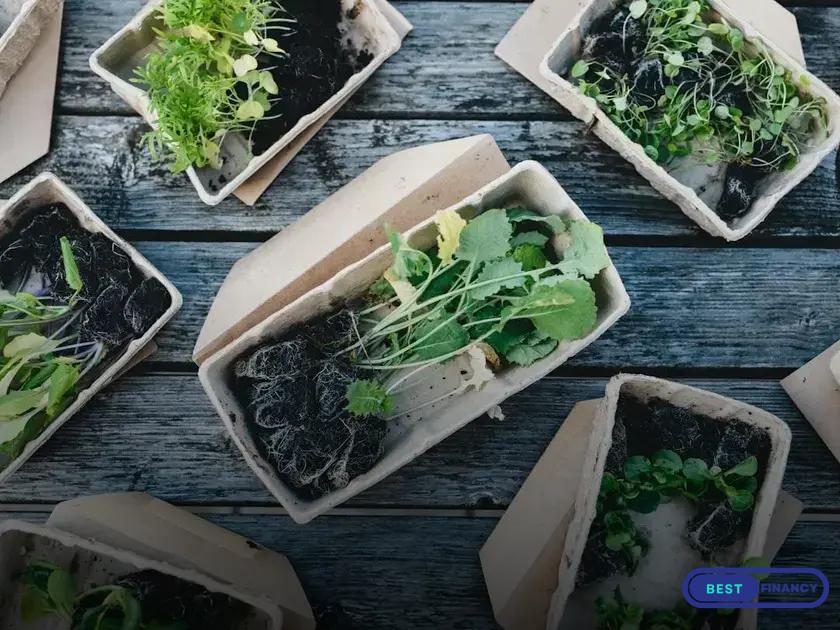
Harvesting herbs at the right time can elevate your culinary creations. Knowing when and how to pick them ensures you capture their optimal flavors. Let’s dive into essential tips and techniques for harvesting herbs to enhance your dishes, considering your timing, tools, and storage methods.
Best Time to Harvest Herbs
The best time to harvest herbs is a crucial consideration for ensuring optimal flavor and potency. Each herb thrives under specific conditions, and knowing when to collect them can make all the difference.
For most herbs, it is ideal to harvest in the morning, right after the dew has dried but before the sun intensifies. This timing ensures the plants aren’t stressed by heat, leading to a richer concentration of essential oils.
Annual herbs such as basil or dill should be harvested just before they flower, ensuring their leaves retain maximum flavor. Perennial herbs like thyme or rosemary require a more nuanced approach; it’s best to gather them in early summer when their growth is at its peak.
Flowering herbs, which are often used for their blossoms, are best picked early in their blooming phase. This captures their delicate fragrance and vibrant tastes.
Another key point is observing the weather. Avoid harvesting after a heavy rain as the herbs may be waterlogged and less flavorful. A dry spell can sometimes concentrate the oils, enhancing the taste.
Regularly harvesting herbs encourages new growth. For woody-stemmed varieties, prune stems just above a leaf pair to promote bushiness and vigorous re-growth.
Essential Tools for Herb Gathering

When it comes to gathering herbs effectively, having the right tools is essential. While it might seem straightforward, the proper equipment not only makes the process more efficient but also helps preserve the quality of the herbs. Here is a list of essential tools you should consider:
- Garden Scissors or Shears: Using garden scissors or pruning shears ensures clean cuts, minimizing damage to the plant and encouraging healthy growth. They are integral for cutting herbs like rosemary or thyme.
- Harvesting Knife: A sharp harvesting knife is crucial for cutting thicker stems or roots. It’s perfect for herbs such as mint or parsley that have tougher stalks.
- Gathering Basket: A sturdy basket or a canvas bag helps carry the herbs without crushing them. Opt for breathable materials to prevent moisture build-up.
- Gloves: Wearing gloves while harvesting can protect your hands from thorny or sharp-edged plants. They are particularly useful when picking herbs like sage or oregano.
- Measuring Tape: Ensure you are picking herbs at the right height by using a measuring tape. This is especially useful for taller herbs where only a portion of the plant needs to be harvested.
- Labels and Marker: Keeping track of different harvested herbs can be challenging. Use labels and a marker to ensure nothing gets mixed up, especially if you are drying multiple varieties.
By equipping yourself with these tools, you can enhance your herb gathering experience, ensuring each cut is precise and each herb is kept in optimum condition.
Preservation Techniques for Captured Flavors
To maintain the vitality and flavor of freshly harvested herbs, employing the right preservation techniques is crucial. One popular method is drying, which concentrates the flavors and extends shelf life. For best results, hang herbs upside down in small bunches in a well-ventilated area away from direct sunlight. Once dried, store them in airtight containers.
For those who prefer a
fresh approach
, consider freezing. Blanch the herbs briefly in boiling water, then plunge them into ice water to preserve their color and flavor. Pat them dry and place them in airtight bags or ice cube trays with a little water or olive oil.
Infusing oils and vinegars is another excellent technique, capturing the essence of herbs in a liquid form. Simply add washed and dried herbs to a bottle of oil or vinegar and let them steep for at least a week. This method not only preserves the taste of the herbs but also creates a flavorful addition to salads and cooking.
Another creative option is making herb pastes. Blend your favorite herbs with a bit of oil and store the mixture in a sealed container. This versatile paste can be added to soups, marinades, or spreads, maintaining the herb’s fresh notes.
Pickling is also a unique preservation method. It involves immersing herbs in vinegar or brine, adding both flavor and storage potential.
By exploring these diverse and effective preservation techniques, you can ensure that the flavors of your freshly harvested herbs are captured and enjoyed for months to come.
Mistakes to Avoid When Picking Herbs
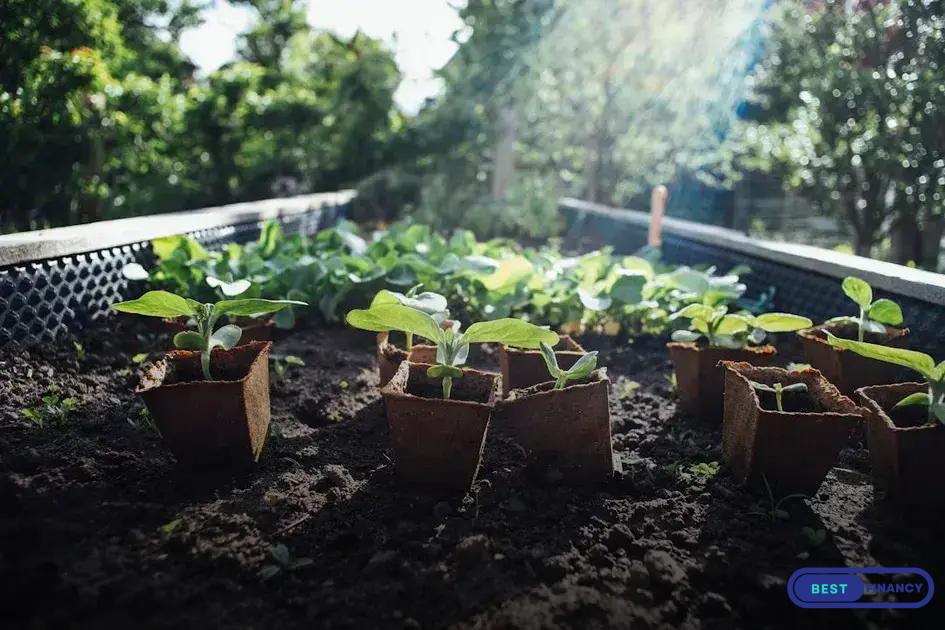
When it comes to picking herbs, there are common mistakes that can diminish the flavor and effectiveness of your harvest. Avoid these pitfalls to ensure you get the most out of your herb garden.
- Picking Herbs at the Wrong Time: Time of day plays a crucial role. Aim for early in the morning when essential oils are most concentrated in the leaves.
- Overharvesting: It’s important not to take more than one-third of the plant at a time. Overharvesting can damage the plant, reduce yield, and affect future growth.
- Ignoring Plant Lifecycles: Be aware of the lifecycle stage of each herb. Some herbs, like basil, are best harvested before they flower, while others, like mint, can be picked throughout their lifecycle.
- Using the Wrong Tools: Ensure you have clean, sharp scissors or pruning shears. This will help avoid crushing the stems, which can damage the plant and reduce the quality of the harvest.
- Not Checking for Pests: Before harvesting, check for any pests or signs of disease. Picking leaves with pests can spread these issues to other plants.
By keeping these aspects in mind, you’ll make sure that the herbs you pick are full of flavor and ready to enhance your culinary experiences.
How to Store Your Freshly Harvested Herbs
Once you’ve gathered your herbs at their peak, storing them properly is crucial to maintain their flavor and aroma. Incorrect storage can lead to loss of essential oils and degrade their quality over time. Here’s how you can ensure your freshly harvested herbs remain usable and delightful.
Dry Your Herbs
Drying is one of the most effective ways to preserve herbs. Bundle small bunches and hang them upside down in a warm, well-ventilated room. Avoid direct sunlight, as it can diminish their natural oils. For faster drying, use a dehydrator set to a low temperature.
Consider Freezing
For herbs that don’t dry well, like basil and parsley, freezing might be a better option. Rinse and dry the herbs, then chop them finely and place them in ice cube trays. Fill the trays with a little water or oil before freezing. This method locks in flavor and allows for easy portioning.
Use Airtight Containers
Once dried, store your herbs in airtight containers, preserving their intensity. Glass jars with tight-fitting lids work best. Keep the containers away from heat and light to prolong shelf life.
Proper Labeling
Label your stored herbs with the name and date of drying or freezing. This ensures you know how long they’ve been stored and when they might start to lose their potency.
Avoid Common Mistakes
Don’t crush herbs before storing them, as it can release their oils prematurely. Also, avoid storing different herbs together, as they can impart flavors to each other and affect overall taste.
By treating your herbs with care post-harvest, you can savor their fresh flavors long after the growing season ends.

 Hosting a Garden Party: Decorate Naturally with Ease
 Outdoor Lighting Ideas to Highlight Your Garden at Night
 Incorporating Water Features: Transform Your Garden Oasis