

Growing tomatoes successfully starts with selecting the right varieties that suit your climate and taste preferences. It’s important to prepare your soil properly, ensuring it’s nutrient-rich and well-drained. Tomatoes thrive with plenty of sunlight, and regular watering is crucial for preventing cracking and blossom-end rot. Natural pest control methods help keep your plants healthy without harmful chemicals. Finally, knowing the perfect time to harvest ensures maximum flavor and productivity.
Choose the Right Tomato Varieties
Selecting the best tomato varieties can greatly impact your harvest success. Different varieties offer diverse flavors, sizes, and resistances to pests and diseases. When choosing tomatoes, consider your climate and growing conditions. For instance, in cooler climates, opt for determinate varieties like ‘Celebrity’ or ‘Roma’, which have shorter growing times and provide higher yields. In warmer regions, indeterminate types such as ‘Heirloom’ or ‘Brandywine’ may thrive better, providing continuous fruiting.
Consider disease resistance: Many modern hybrids are bred to resist common tomato diseases such as blight and mosaic virus. Check for varieties tagged with VFN resistance, meaning they’re resilient against verticillium wilt, fusarium wilt, and nematodes.
Besides practicality, think about the purpose of your tomatoes. If your aim is canning, choose paste types like ‘San Marzano’. For fresh salads, cherry tomatoes like ‘Sweet 100’ are perfect due to their sweet taste and small size.
Finally, decide between open-pollinated, heirloom, or hybrid seeds. Heirlooms offer rich flavors and fascinating histories but may be less uniform in production than hybrids. Hybrids are bred for consistency and resilience but may not have the same depth of flavor as heirlooms.
The right tomato variety for your garden will depend on balance and preference. Whether you aim for disease resistance or distinct flavors, making an informed choice will ensure your garden thrives with fruitful bounties.
Prepare Your Soil for Planting
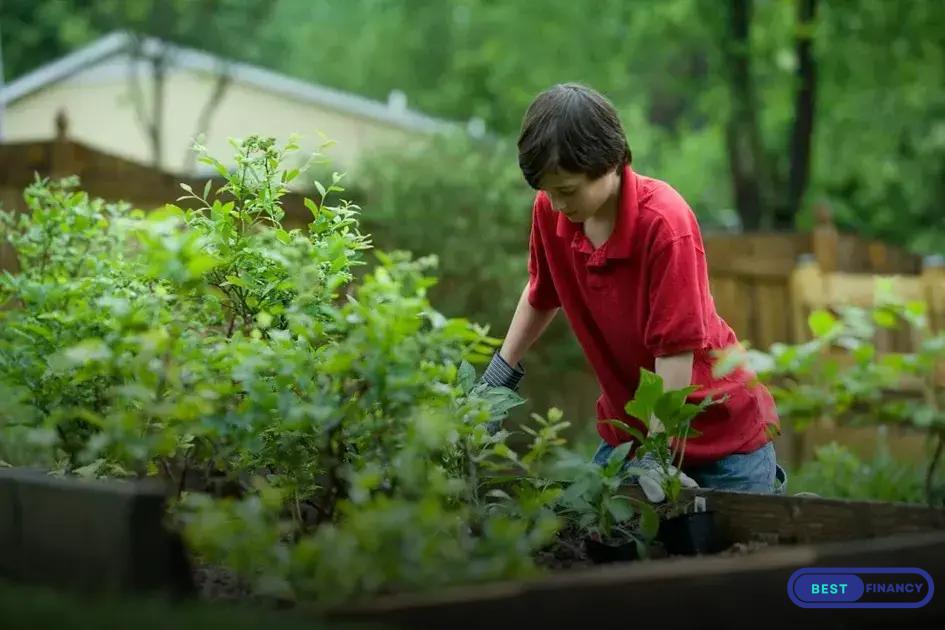
To ensure your tomatoes thrive, preparing the soil is essential. Start by checking if it has a pH between 6.0 and 6.8, ideal for tomato growth. You can do this with a simple soil test kit.
Amend the soil by adding organic matter. This could be compost, aged manure, or peat moss. Organic matter improves drainage, nutrient availability, and loosens heavy clay soil. Ensure the soil is well-drained yet retains moisture.
Loosen the soil to a depth of at least 12 inches. This deep aeration allows for air circulation and water infiltration, creating an environment where tomato roots can grow vigorously.
Consider adding a balanced fertilizer to boost nutrient content. Choose fertilizers with nitrogen, phosphorus, and potassium in the appropriate ratios such as 10-10-10. Follow the manufacturer’s instructions for the application rate to avoid over-fertilization.
Control weeds before planting. Weeds compete for nutrients and water, so remove them completely. Mulching after planting can also prevent new weeds from emerging and help retain soil moisture.
Furthermore, rotating crops is essential to prevent soil-borne diseases. Avoid planting tomatoes in the same soil where other nightshades like potatoes or peppers have grown in the last two years.
Provide Adequate Sunlight and Water
To grow tomatoes that produce fruit, it’s crucial to provide them with adequate sunlight and water. Tomatoes need at least 6 to 8 hours of sunlight each day to thrive. Place your plants in a location where they can receive plenty of direct light. If growing indoors or in a less sunny spot, consider using grow lights to supplement the natural light.
Watering is equally vital. Tomatoes need consistent moisture. Aim to water them in the morning, so they have moisture available during the hottest part of the day. The soil should remain moist but not soggy, as waterlogged soil can lead to root rot.
Use mulch around the base of your plants. Mulch helps retain soil moisture and can keep the root zone cooler, providing a stable environment for growth. Choose organic mulches like straw, leaves, or grass clippings.
When watering, focus on the base of the plant rather than wetting the foliage. This practice helps prevent the spread of diseases, which are more common in damp foliage. Using a soaker hose or drip irrigation system can ensure an even distribution of water and can be a great method for busy gardeners.
Monitor the plants regularly for signs of under or overwatering. If the leaves are wilting or yellowing, adjust your watering schedule accordingly. Consistent care throughout the growing season supports healthy and productive tomato plants.
Use Natural Pest Control Methods
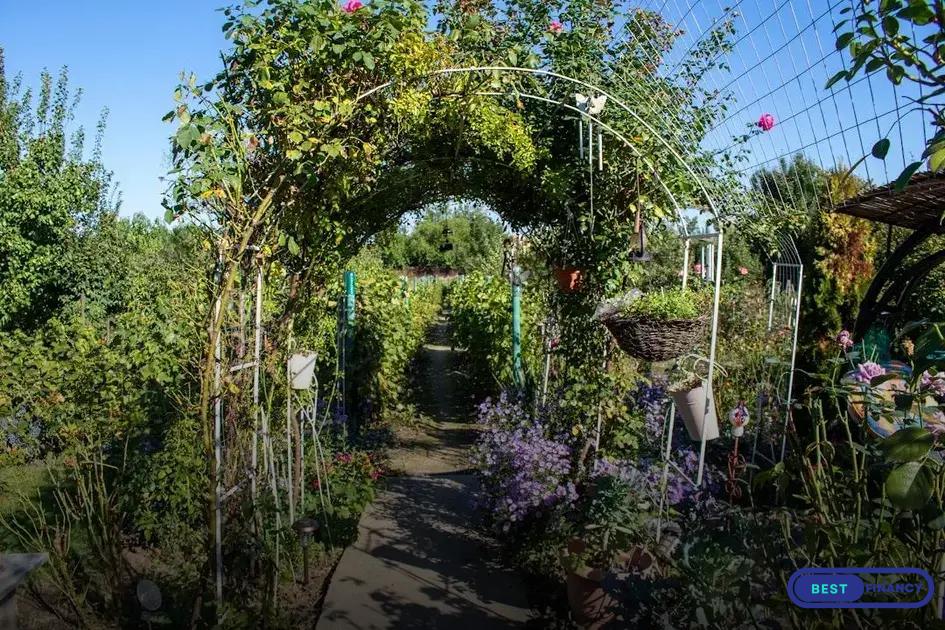
Embracing natural pest control methods is crucial for maintaining a healthy tomato garden while reducing the need for chemical pesticides. By opting for organic alternatives, you not only ensure the safety of your tomatoes but also encourage a more balanced ecosystem in your backyard.
Start by attracting beneficial insects such as ladybugs and lacewings. These natural predators feast on common tomato pests like aphids and caterpillars, keeping their populations in check. Planting herbs like basil and parsley nearby can entice these helpful allies to your garden.
Another effective method is crop rotation. Growing tomatoes in the same spot year after year can deplete the soil of nutrients and invite pest problems. Rotating your crops can prevent soilborne illnesses and discourage pests from returning.
Introducing companion plants to your garden can also help in pest management. Planting marigolds or nasturtiums around your tomatoes can repel harmful insects. These plants release natural chemicals that pests find unpleasant.
Creating homemade sprays using ingredients like garlic and neem oil can further aid in protecting your tomato plants. These natural sprays deter pests without harming the plant or beneficial insects.
Additionally, maintaining healthy plants is key. Ensure your tomatoes are well-watered and mulched to create a strong defense against pests. Healthy plants are more resilient and less susceptible to attacks.
Implementing physical barriers like nets or row covers can block pests effectively, especially during peak infestation periods. By using a combination of these natural methods, you create a robust plant environment that fosters growth and productivity.
Harvesting and Storing Your Tomatoes
When harvesting tomatoes, timing is crucial. Pick them when they have reached their mature color, usually a vibrant red, but specific varieties might differ. Tomatoes should be firm yet slightly yielding to a gentle squeeze. Avoid pulling tomatoes off the vine; instead, use scissors or garden shears for a clean cut, preserving the plant.
Once harvested, proper storage is key to maintaining their flavor and freshness. Store tomatoes at room temperature, away from direct sunlight, to keep them juicy and flavorful. Placing them stem-side down can prevent bruising. Avoid refrigerating tomatoes, as the cold alters their texture and taste. For longer storage, consider canning or freezing.
To freeze tomatoes, wash and core them first. You can also blanch them to remove the skins. Once prepared, place them in airtight containers or freezer bags, removing excess air to prevent freezer burn. Properly stored, frozen tomatoes can last several months.
Canning is another excellent method. It’s essential to follow safe canning practices to avoid spoilage. Use fresh, blemish-free tomatoes, and consider adding lemon juice or citric acid to ensure the desired acidity level.
By mastering the harvesting and storing process, you’ll ensure a bountiful and long-lasting supply of tomatoes, ready for any recipe or culinary need.

 Hosting a Garden Party: Decorate Naturally with Ease
 Outdoor Lighting Ideas to Highlight Your Garden at Night
 Incorporating Water Features: Transform Your Garden Oasis