

Companion planting, a technique that pairs plants in ways where they mutually benefit, is a popular gardening strategy. By understanding which plants thrive together, you can boost your garden’s health and yield. Dive into these effective combinations and learn the essentials of nurturing a thriving ecosystem.
The Basics of Companion Planting
Companion planting is a gardening technique where certain plants are grown together to help each other. Understanding the basics of this practice can greatly enhance your garden’s productivity and health. Some plants naturally protect their neighbors by repelling pests or attracting beneficial insects. For example, marigolds are known to deter nematodes and flies, making them great companions for tomatoes and peppers.
Nutrient Sharing and Root Systems
Companion plants can also share nutrients efficiently. Deep-rooted plants, like carrots, can coexist with shallow-rooted ones, like lettuce, ensuring that soil nutrients are utilized at different levels. Another benefit is the potential optimization of space. Tall plants can provide shade for those that require less sun, such as placing beans with corn. The strategic arrangement may help in managing soil erosion and providing a natural mulch. The idea is to mimic how plants grow in the wild, supporting one another for mutual benefit. By understanding which plants thrive together, you can create a harmonious and productive garden environment.
Benefits of Planting Companions
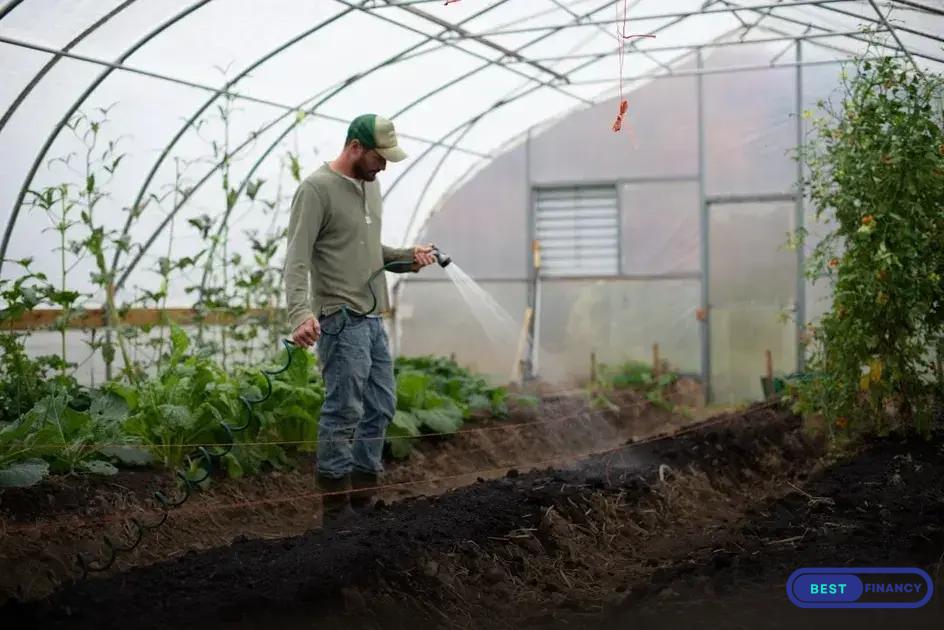
Companion planting is a smart strategy in gardening that allows you to maximize the productivity and health of your plants. One key benefit of planting companions is pest control. By placing certain plants together, you’ll effectively ward off common garden pests without the need for harsh chemicals. For instance, marigolds can repel nematodes when planted next to tomatoes.
- Pest Control: Some plants can naturally deter insects. For example, basil placed near your peppers can help keep aphids away.
- Improved Growth: Certain plant pairings, like carrots and onions, can enhance growth rates by providing a balanced use of nutrients and minimizing competition.
- Better Yields: Some combinations can lead to increased yields. For instance, legumes fix nitrogen in the soil, benefiting leafy vegetables planted nearby.
- Soil Health: Companion plants can positively affect the quality of your soil, enriching it with necessary nutrients.
- Space Efficiency: Using companion planting, you efficiently use garden space as taller plants can provide shelter to shorter plants, and ground covers can reduce weeds.
Adding a mix of plants that attract beneficial insects is another advantage. For example, planting dill can attract ladybugs, which feast on aphids. Effective companion planting will bolster your garden’s resilience and productivity, making it an essential practice for any gardener aiming for a sustainable and rewarding gardening experience.
Top Companion Plant Combinations
Companion planting is an art that combines scientific insights with traditional gardening practices. Understanding the best plant combinations can enhance your garden’s health and productivity. Here are some of the most effective plant pairs to consider:
Tomatoes and Basil
Tomatoes, when planted with basil, not only grow better but their flavor seems to improve. Basil acts as a natural pest deterrent and its aroma repels insects like flies and mosquitoes.
Corn, Beans, and Squash
This trio, often referred to as the “Three Sisters,” works exceptionally well together. Beans fix nitrogen in the soil, benefiting corn. Corn provides a structure for beans to climb. Meanwhile, squash sprawls along the ground, acting as a living mulch to retain soil moisture.
Carrots and Onions
Carrots grow well alongside onions, which help to naturally deter carrot flies. This partnership keeps pests at bay and allows both to flourish.
Cabbage and Dill
Dill attracts beneficial insects that prey on pests found on cabbage. Furthermore, cabbage provides a partial shade that benefits dill’s growth, making them a valuable pair in your garden.
- Radishes and cucumbers benefit from each other. Radishes deter pests like cucumber beetles, helping cucumbers to grow without interference.
- The aroma of rosemary keeps carrot flies away, making carrots a safer harvest.
Effective companion planting requires understanding how plants interact with each other. Exploring these combinations can lead to a healthier and more diverse garden output. Each pair provides distinct advantages, enhancing growth while minimizing pest issues naturally.
Common Mistakes to Avoid

- Ignoring Plant Needs: Each plant has its own needs when it comes to soil, sunlight, and water. Failing to consider these requirements can hinder plant health and productivity.
- Overcrowding: Avoid planting too many companions in a small area. Crowded plants compete for resources and may become stressed or more susceptible to diseases.
- Mismatching Growth Patterns: Pair plants with similar growth speeds. A fast-growing plant might overshadow a slower-growing companion, stunting its growth.
- Overlooking Plant Incompatibility: Some plant species naturally inhibit each other’s growth. Be aware of these incompatible pairs to prevent stunted growth or reduced yields.
- Underestimating Pest Attraction: While companion planting can deter pests, choosing the wrong companions may attract more pests. Research which pairings work best for pest control.
- Ignoring Companion Benefits: Each pairing has unique benefits, such as improved pollination or enhanced nutrient uptake. Consider these aspects to optimize the plant interactions in your garden.
- Failing to Rotate Crops: Companion planting requires regular crop rotation to prevent soil depletion and control pests and diseases. Plan your garden layout accordingly each year.
Tips for Successful Companion Gardening
Companion gardening is an art where plants support each other’s growth. To ensure success, consider these tips for achieving harmony in the garden:
- Understand plant needs: Know the water, light, and soil requirements of each plant to ensure they thrive together.
- Pay attention to timing: Some plants grow faster than others. Match fast and slow growers to maintain balance.
- Layer strategically: Use taller plants, like corn, to provide shade to those requiring less sunlight, such as lettuce.
- Promote pest control: Deploy plants like marigolds to repel nematodes and enhance the health of neighboring plants.
- Maximize space: Plant vine crops to spread on the ground while others grow upwards, optimizing vertical and horizontal areas.
- Rotate crops annually: Prevent soil depletion and control pests by rotating plant locations each year.
- Experiment patiently: Not every combination will work for every garden, so try different combinations to learn what yields the best results.
By paying close attention to these details, you’ll create a vibrant and productive companion garden where plants flourish through mutual support.

 Hosting a Garden Party: Decorate Naturally with Ease
 Outdoor Lighting Ideas to Highlight Your Garden at Night
 Incorporating Water Features: Transform Your Garden Oasis