
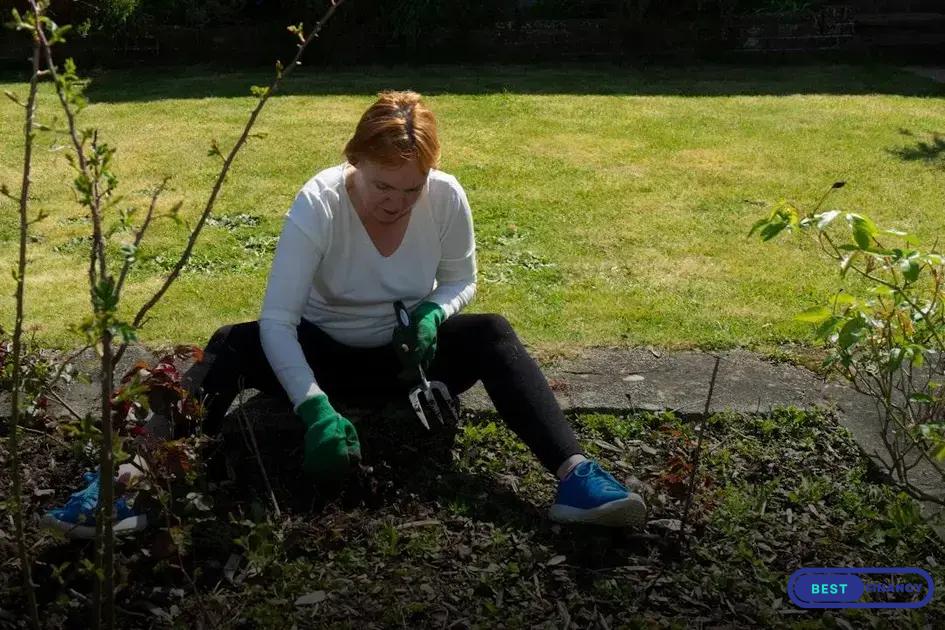
Creating a low-maintenance flower garden can be an enjoyable and rewarding experience. By selecting the right plants and employing efficient gardening techniques, you can transform your backyard into a vibrant and easy-to-care-for oasis. Dive deep into choosing suitable species, managing watering efficiently, and planning your garden layout smartly to minimize work and maximize beauty. Whether you’re a seasoned gardener or a beginner, these tips will guide you in crafting a beautiful, low-maintenance garden.
Choose the Right Plants
Selecting the appropriate plants plays a crucial role in creating a low-maintenance flower garden. Choose perennials like lavender, daylilies, and sedum, which return yearly and require less upkeep than annuals. Drought-tolerant species such as succulents and ornamental grasses help conserve water.
Native plants are another excellent choice. They are adapted to the local climate and soil conditions, meaning they require less care once established. Consider coneflowers, black-eyed Susans, and butterfly weeds for vibrant, hardy options.
Mixing plants with varying blooming seasons guarantees a consistently colorful garden. Incorporate early bloomers like tulips, summer stars such as phlox, and fall showstoppers like asters. This approach minimizes effort while maximizing visual appeal.
Lastly, consider planting ground covers like creeping thyme or sweet alyssum, which suppress weeds and reduce the need for mulching. By strategically choosing your plants, achieving a beautiful and low-maintenance flower garden becomes more attainable.
Efficient Watering Techniques
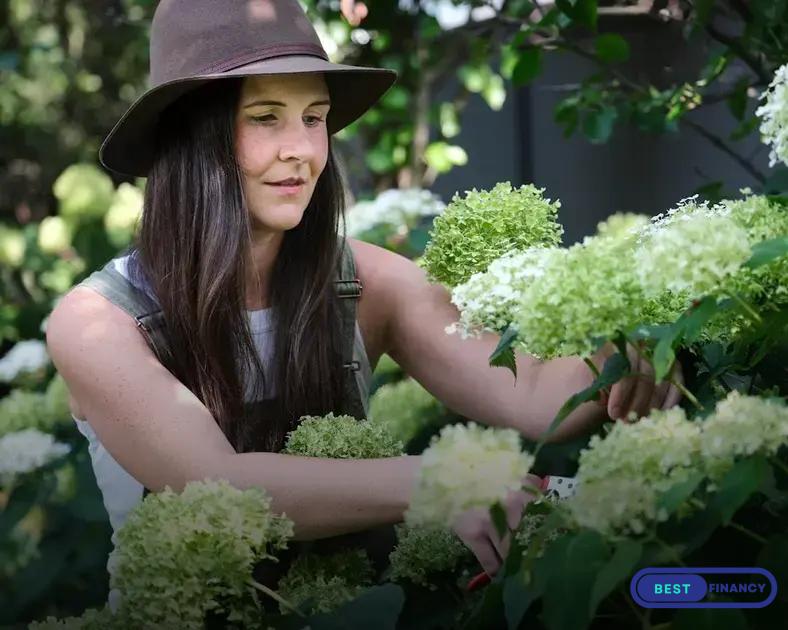
Water is crucial for maintaining a vibrant flower garden, yet using the right techniques can significantly reduce the amount of time and effort required for watering. Consider installing a drip irrigation system, which delivers water directly to the roots, minimizing evaporation and ensuring deep saturation.
Grouping Similar Plants
Grouping plants with similar water needs can optimize efficiency. Plants that require more moisture should be placed together, allowing them to benefit from specific watering schedules without over or under-watering plants with different needs.
Water Early in the Day
Time your watering sessions early in the morning when temperatures are cooler. This minimizes the loss of water through evaporation and gives plants ample time to dry out, reducing the risk of disease.
Mulching for Moisture Retention
A layer of mulch can significantly decrease water requirements by preserving soil moisture. It acts as a barrier against the sun and reduces the frequency of watering by preventing the soil from drying out too quickly.
Monitor Weather Conditions
Natural rainfall can assist or even replace manual watering tasks. Adjust your watering schedule based on weekly weather forecasts to prevent overwatering and optimize usage of natural water resources.
With these effective strategies, you can maintain a thriving garden while reducing the amount of time and efforts spent on watering.
Soil Preparation for Easy Maintenance
Preparing your soil effectively can significantly reduce the amount of maintenance your flower garden will require. Start by conducting a soil test to determine pH levels and nutrient deficiencies. This information helps you amend the soil properly, ensuring a nutrient-rich foundation for your plants.
Consider adding organic matter like compost or well-rotted manure. These materials not only enhance soil fertility but also improve its texture, enabling better water retention and drainage. A well-draining soil minimizes erosion and compaction, which can drastically reduce ongoing maintenance needs.
Mulching is another crucial step that aids in soil preparation. Apply a generous layer of mulch, such as wood chips or straw, around your plants. Mulch acts as a barrier, reducing weed growth and conserving soil moisture, which means less watering and weeding for you.
Finally, utilize raised beds or mounded rows if your garden is prone to flooding or waterlogging. This simple adjustment improves drainage and soil aeration, making the garden more manageable. With these essential soil preparation techniques, your flower garden will be primed for reduced maintenance and thriving blooms.
Smart Garden Layouts
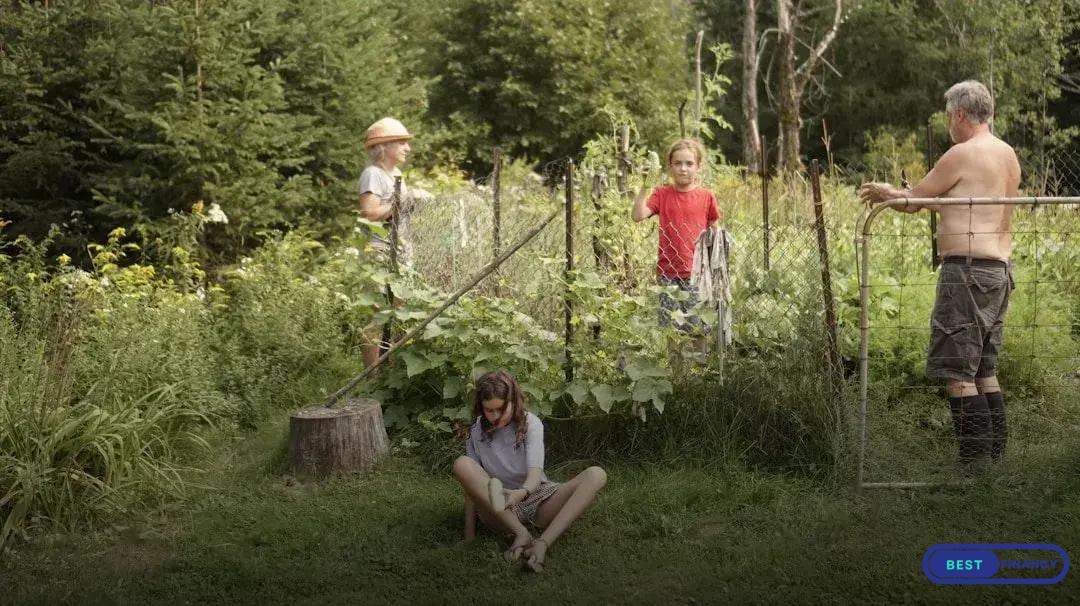
In smart garden layouts, organization is key. Laying out your flower garden effectively can make it both beautiful and low-maintenance. By understanding plant growth patterns and sunlight needs, you can strategically place your plants to reduce competition and optimize sunlight absorption.
Consider using companion planting, which involves placing plants together that benefit each other. For instance, tall plant types can provide shade for those needing less sun, while ground covers can help lock in soil moisture and prevent weeds.
Design pathways that give you easy access to all areas of your garden, which is essential for maintenance chores. Mulching these pathways not only keeps them clear of weeds but also retains moisture.
Categorize your plants by their watering needs. Grouping plants with similar water requirements ensures efficient watering techniques are employed and reduces wastage.
Maximize Space with Vertical Gardening
Utilize vertical gardening techniques, such as trellises or wall planters, to save ground space and create visual interest. This can be especially useful for trailing flowers and climbers. Plus, they add a layer of lushness without the need for extensive groundwork.
Implement raised beds. These can ease the burden of maintenance, offering improved drainage and reducing the need for bending over, making gardening more accessible and reducing back strain.
Pest Management Made Simple
Pest management doesn’t have to be daunting, especially when creating a low-maintenance flower garden. Understanding your garden’s ecosystem is the first step. Encourage a balance by attracting natural predators like ladybugs and spiders, which feed on common garden pests. Plant companion plants that naturally repel insects, such as marigolds, which deter aphids and whiteflies.
Utilize physical barriers like row covers or netting to protect your flowers from larger pests. Regularly inspect your plants, looking under leaves where pests often hide. Employ manual removal techniques whenever possible, such as using a strong stream of water or handpicking. Opt for organic pesticides, if necessary, focusing on those that are safe for beneficial insects. Rotate crops and flowers seasonally to prevent pest cycles from taking hold.
Maintaining healthy soil through proper composting and mulching can strengthen plants’ natural defenses, making them less attractive to pests. By integrating these simple practices, pest management becomes an effortless part of your garden’s routine.

 Hosting a Garden Party: Decorate Naturally with Ease
 Outdoor Lighting Ideas to Highlight Your Garden at Night
 Incorporating Water Features: Transform Your Garden Oasis